
Politics
13:18, 08-May-2018
Iran nuclear deal: Nine options Trump could pursue
 ["other"]
Share






Copied
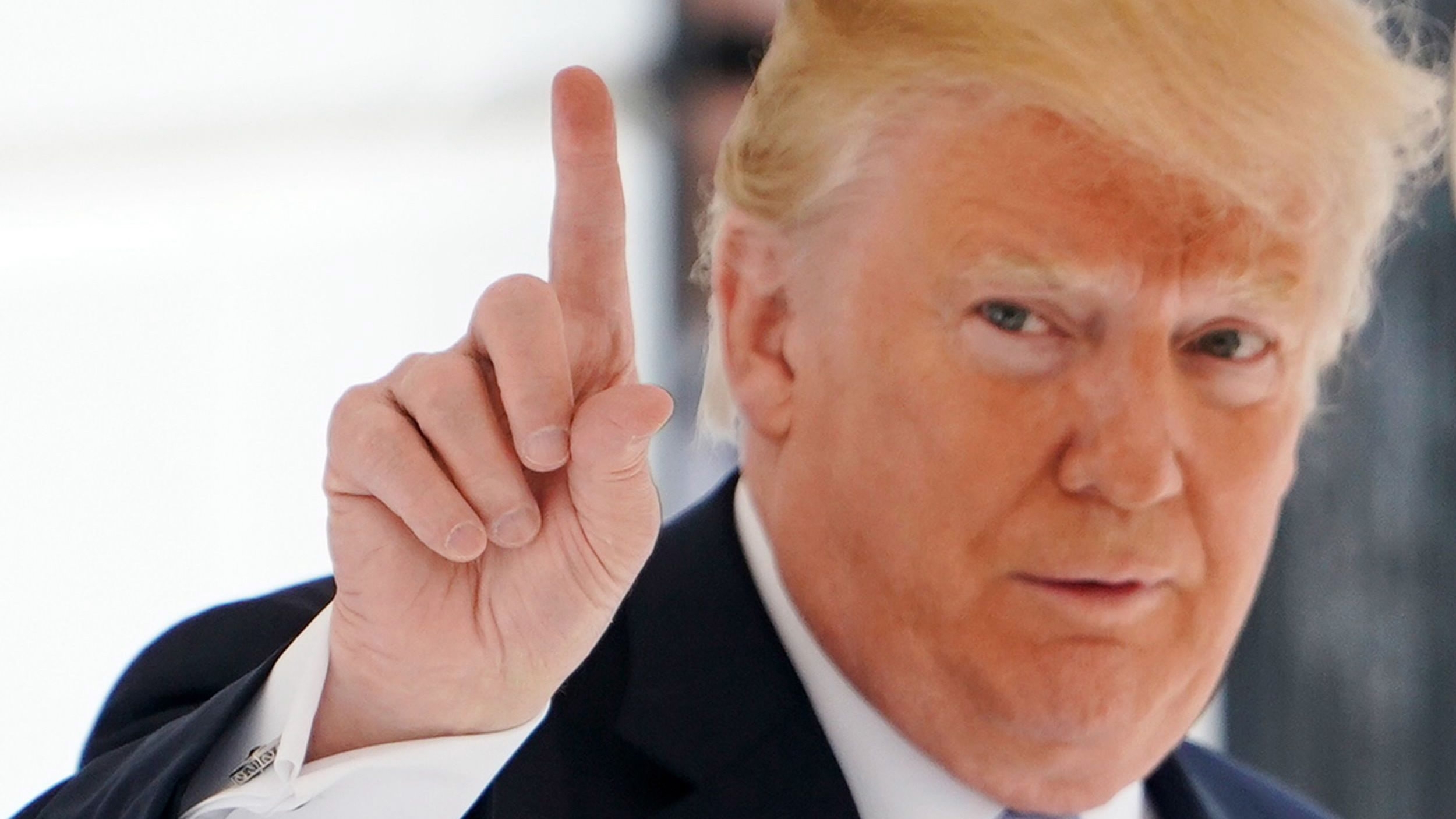
US President Donald Trump says he will announce his next move on the Iran nuclear deal – which eases sanctions on Tehran in return for curbs on its nuclear program – at 18:00 GMT on Tuesday.
Trump has come under pressure from the other signatories of the deal – China, Russia, Britain, France and Germany, as well as Iran – over recent weeks, all of whom want to stick with the existing Joint Comprehensive Plan of Action (JCPOA). However, he made a campaign pledge to withdraw from the agreement and has repeatedly criticized it.
Read more: Trump to announce decision
Explainer: What is the Iran deal?
Read more: What's at stake?
The president has lambasted the JCPOA as the "worst deal ever" and called on the European signatories – Britain, France and Germany – to fix the deal's "disastrous flaws."
US sanctions baskets
Iranian central bank: On May 12, a waiver on US sanctions on the Iranian central bank expires. These sanctions are mainly targeted at Iranian oil exports.
Iranian businesses: On July 11, a waiver on US sanctions targeting more than 400 Iranian businesses and individuals expires.
Trump argues that the agreement doesn't address Iran's ballistic missile program and does nothing to curtail its wider activities in the Middle East, and also dislikes that some parts expire over the next decade via "sunset" clauses.
US and European officials have been working to create a side agreement that would address Trump's concerns. However, Iran has said it is not willing to renegotiate.
What are Trump's options?
1. Waive sanctions
Trump could simply waive sanctions on Iran and stick with the JCPOA. This is what the other signatories and UN have urged him to do, and the International Atomic Energy Agency has said that Iran is complying with its obligations. The president's rhetoric suggests this is unlikely.
2. No sanctions – for now
Trump has previously waived sanctions through gritted teeth. Under pressure from allies in Europe, he could choose to do so again – or issue temporary waivers – while saying the "flaws" he has identified must be fixed before the next deadline. The US president has voiced interest in a "bigger deal" in the past.
3. Sanctions – but with changes
Trump could refuse to waive sanctions, essentially putting the US in breach of the JCPOA, but make changes to offer exemptions that help other signatories stick by the deal. Perhaps the pressure from the other signatories could lead to a "soft" US exit.
4. Reimpose some sanctions
There are two baskets of sanctions the US has waived under the terms of the JCPOA. He could refuse to waive the first set, which targets Iran's central bank, but leave in place the second tranche on Iranian businesses. Reimposing sanctions on Iran's central bank would give outside countries and companies 180 days to stop buying oil from Iran before facing US penalties. This would be a breach of the deal, but could be used as leverage in an attempt to force Iran and other signatories back to the negotiating table.
5. Reimpose all sanctions
Trump could decide to reimpose all the US sanctions waived under the JCPOA immediately – both on Iran's central bank and a selection of businesses and individuals – although it would take some time for the penalties to take effect. He could say he would reinstate the waivers if the deal is renegotiated.
6. Reimpose sanctions – and add more
The Trump administration hasn't been shy about criticizing Tehran and has already implemented fresh sanctions against Iranian businesses and individuals over the past year. It could up the ante, not only reinstating sanctions, but implementing another round of new measures.
7. Waive JCPOA sanctions, add others
Trump could stick with the JCPOA by waiving the two sanctions baskets that are part of the deal, but impose a wave of fresh measures targeting the issues he has concerns about. He could argue that he is sticking with the terms of the deal, but Iran would likely see this as a violation.
8. Accuse Iran of violating the deal
Trump could accuse Iran of violating the deal and launch the "dispute resolution mechanism" that is part of the JCPOA. Some observers see last week's presentation by Israeli Prime Minister Benjamin Netanyahu on Iran's alleged nuclear weapons program over a decade ago as laying the ground for such a move.
9. Something else
The Trump presidency has been characterized by uncertainty and surprise, as well as hard rhetoric followed by little concrete action. Perhaps the White House has another card to play.