
Vehicle
21:46, 24-May-2018
Uber shuts Arizona self-driving program two months after fatal crash
 ["china"]
Share







Copied
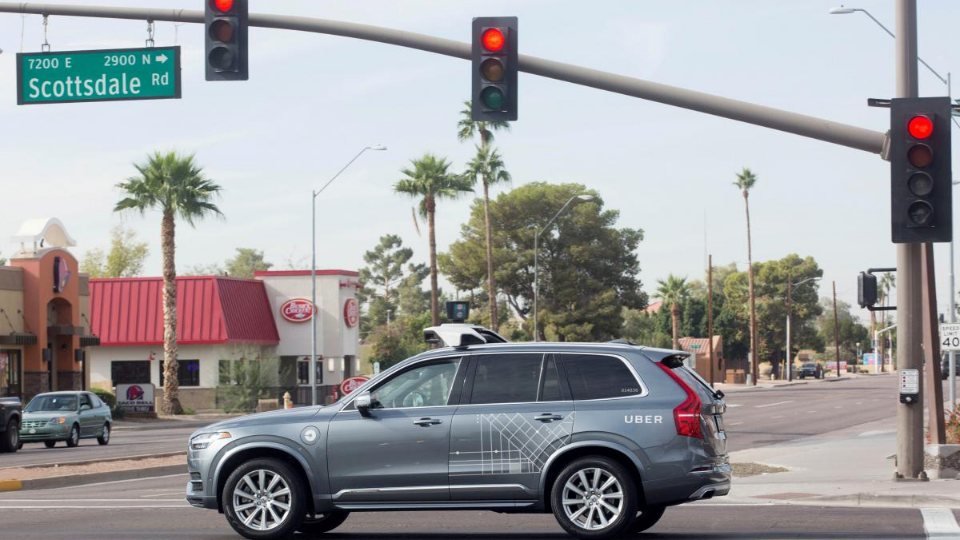
Uber is pulling its self-driving cars out of Arizona, a reversal triggered by the recent death of a woman who was run over by one of the ride-hailing service’s robotic vehicles while crossing a darkened street in a Phoenix suburb.
The decision announced Wednesday means Uber won’t be bringing back its self-driving cars to the streets of Arizona, eliminating the jobs of about 300 people who served as backup drivers and performed other jobs connected to the vehicles.
Uber had suspended testing of its self-driving vehicles in Arizona, Pittsburgh, San Francisco and Toronto while regulators investigated the cause of a March 18 crash that killed 49-year-old Elaine Herzberg in Tempe, Arizona. It marked the first death involving a fully autonomous vehicle, raising questions about the safety of computer-controlled cars being built by Uber and dozens of other companies, including Google spin-off Waymo.
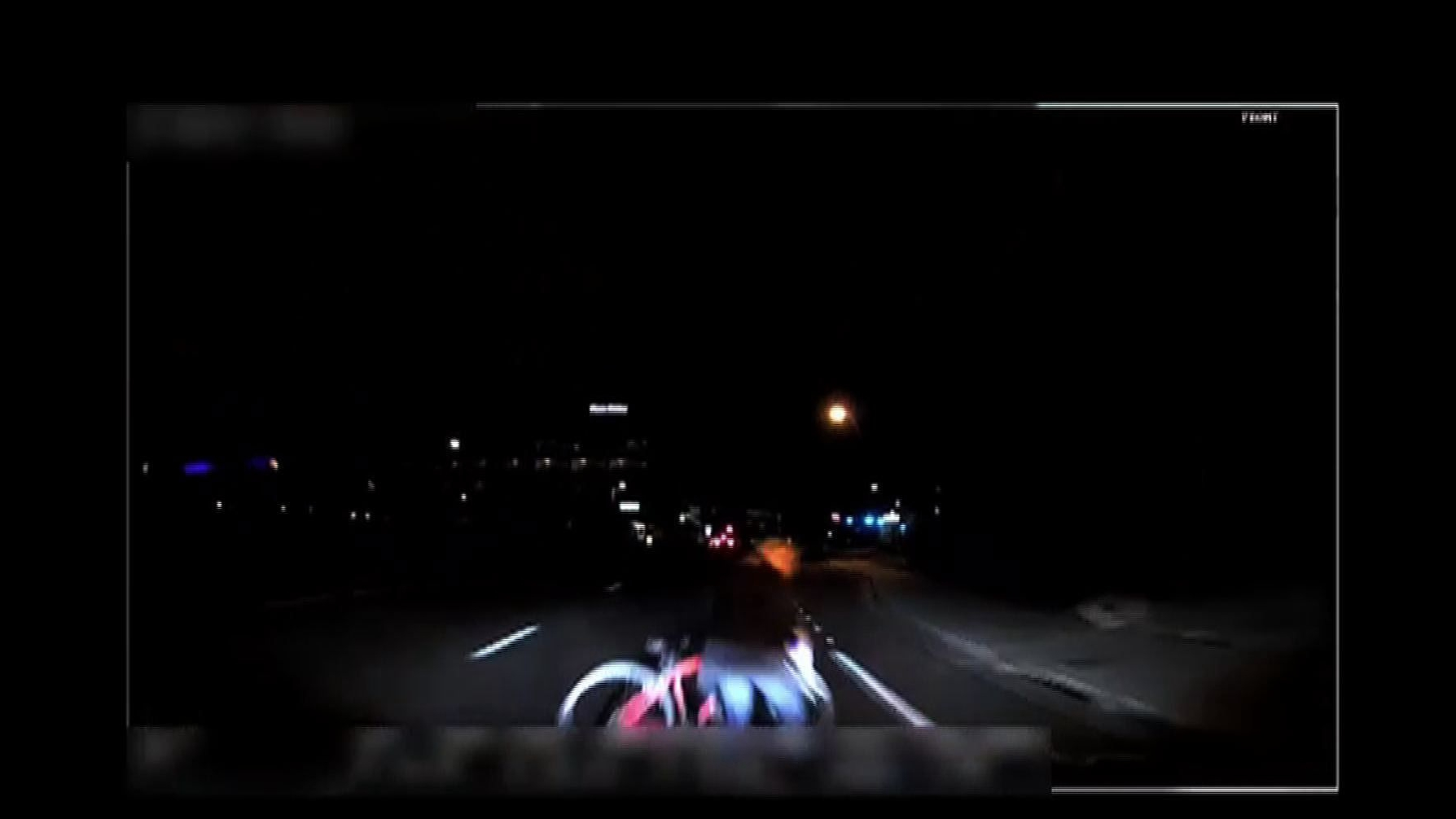
March 18, 2018: A video grab made from dash cam footage and released by the Tempe Police Department shows the moment before the collision of ride-sharing Uber's self-driving vehicle and a pedestrian in the city of Tempe, Arizona. /VCG Photo
March 18, 2018: A video grab made from dash cam footage and released by the Tempe Police Department shows the moment before the collision of ride-sharing Uber's self-driving vehicle and a pedestrian in the city of Tempe, Arizona. /VCG Photo
However, the company is not shuttering its entire autonomous vehicle program – which is considered critical to maintaining its early lead in the ride-hailing market – and will focus on limited testing in Pittsburgh, Pennsylvania, and two cities in California, a spokeswoman said.
“We’re committed to self-driving technology, and we look forward to returning to public roads in the near future,” the spokeswoman said.
About 550 Uber employees will remain in Arizona working on its other operations in the state, including its traditional ride-hailing service with cars driven by humans responding to requests made through a mobile app.
Uber brought a fleet of self-driving cars to Arizona at the end of 2016, just days after the vehicles were banned from California for not having the proper permits at that time.
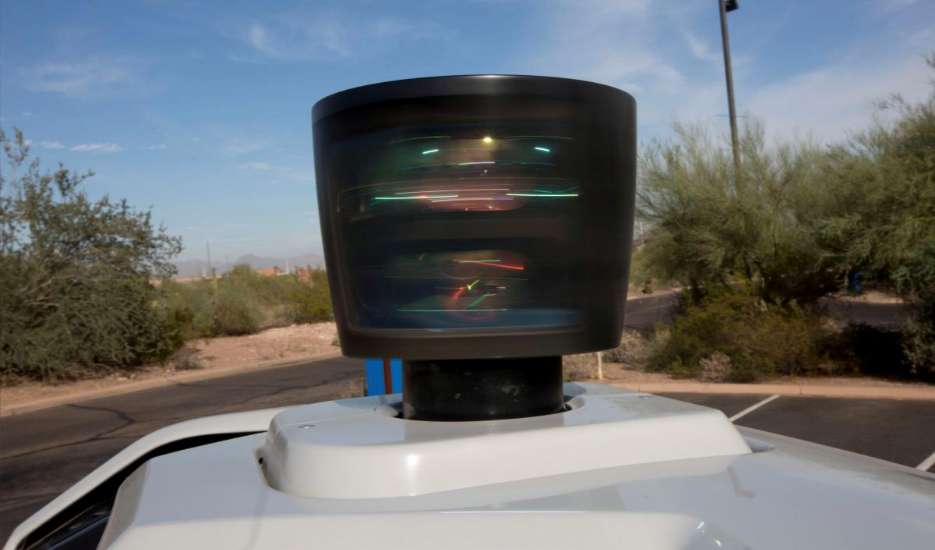
The lidar sensor is seen on a self-driving Volvo vehicle, purchased by Uber, Phoenix, Arizona, US, December 1, 2017. /VCG Photo
The lidar sensor is seen on a self-driving Volvo vehicle, purchased by Uber, Phoenix, Arizona, US, December 1, 2017. /VCG Photo
California’s action prompted Arizona Governor Doug Ducey to send out a derisive tweet in an effort to persuade Uber to bring its self-driving cars to his state. “This is what OVER-regulation looks like!” Ducey wrote.
Ducey prohibited Uber from continuing its tests of self-driving cars after the fatal crash, a ban that a spokesman said Wednesday remains in effect. That was a little more than a year after Ducey gave the company a warm reception.
“The governor’s focus has always been on what’s best for Arizonans and for public safety, not for any one company,” said Ducey spokesman Daniel Scarpinato.
The fatal collision involving Uber’s self-driving car added to the headaches vexing CEO Dara Khosrowshahi as he tries to repair the damage done by a regime led by his predecessor, Uber co-founder Travis Kalanick. The company is trying to recover from a wave of revelations and allegations about rampant sexual harassment in Uber’s workforce, a cover-up of a massive data breach, dirty tricks and stolen trade secrets.
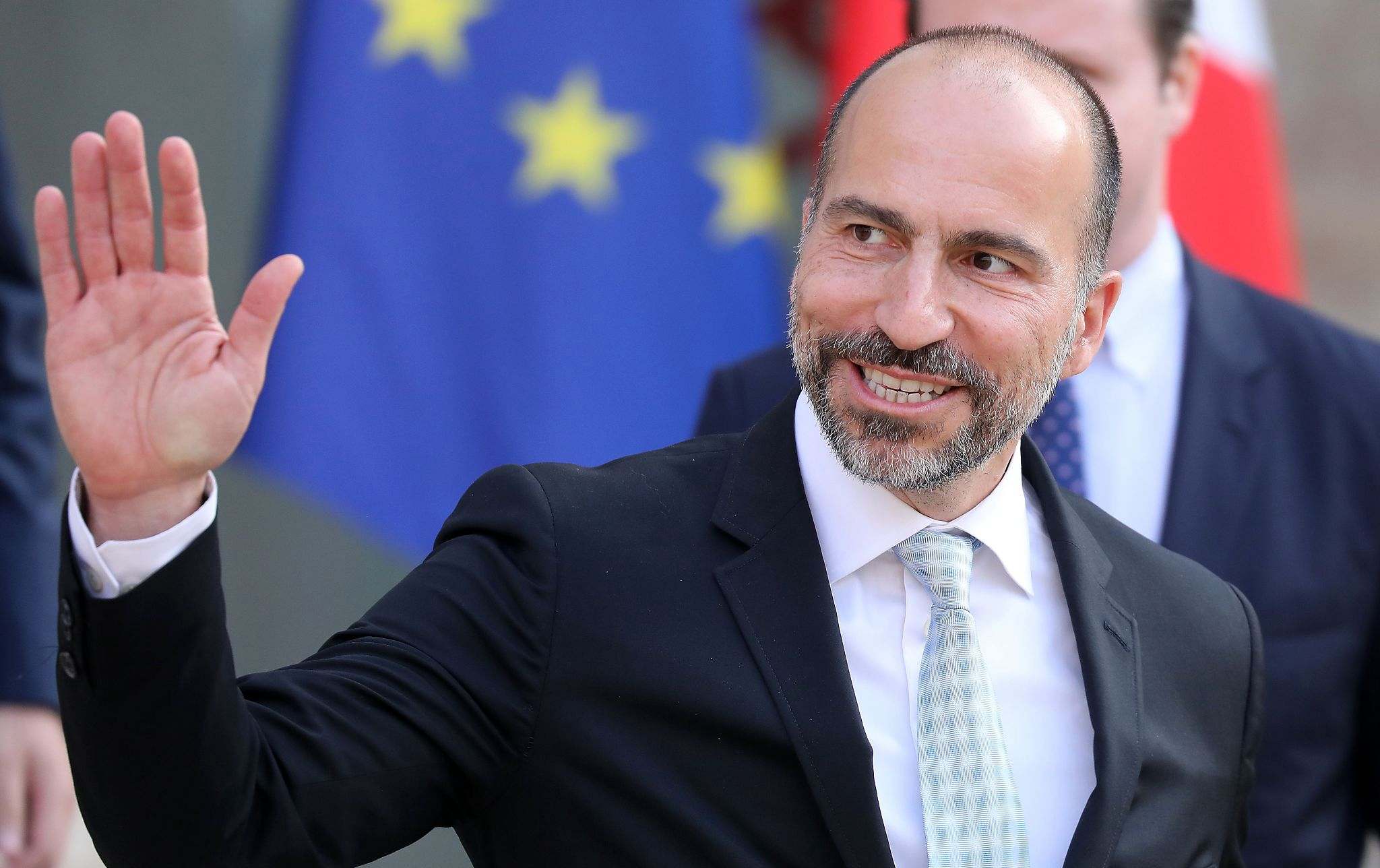
Uber's CEO Dara Khosrowshahi waves as he leaves a meeting with French President at the Elysee Palace in Paris, May 23, 2018, on the day of the "Tech for Good" summit. /VCG Photo
Uber's CEO Dara Khosrowshahi waves as he leaves a meeting with French President at the Elysee Palace in Paris, May 23, 2018, on the day of the "Tech for Good" summit. /VCG Photo
Khosrowshahi has promised he won’t allow Uber’s self-driving cars back on public roads again until he is convinced the vehicles are safe. That won’t happen until Uber completes “a top-to-bottom safety review,” according to a statement the company issued Wednesday. As part of that process, Uber hired Christopher Hart, a former chairman of the US National Transportation Safety Board, to review its self-driving car program.
Meanwhile, Waymo is preparing to launch a ride-hailing service in Arizona that will pick up passengers in robotic cars that won’t have humans to take control if the vehicle malfunctions. The service is supposed to begin before the end of this year.
(Top image: File photo shows a self-driving Volvo vehicle, purchased by Uber, moving through an intersection in Scottsdale, Arizona, US, December 1, 2017. /VCG Photo)
Source(s): AP
,Reuters