
Business
18:32, 27-Jul-2018
Expert: Juncker-Trump trade talk positive, though risks remain
Updated
18:07, 30-Jul-2018
 ["north america"]
Share







Copied
05:09
European Union chief executive Jean-Claude Juncker and US President Donald Trump agreed on Thursday to lower trade tensions between the US and EU. However, experts maintain that EU-US trade relations still face risks.
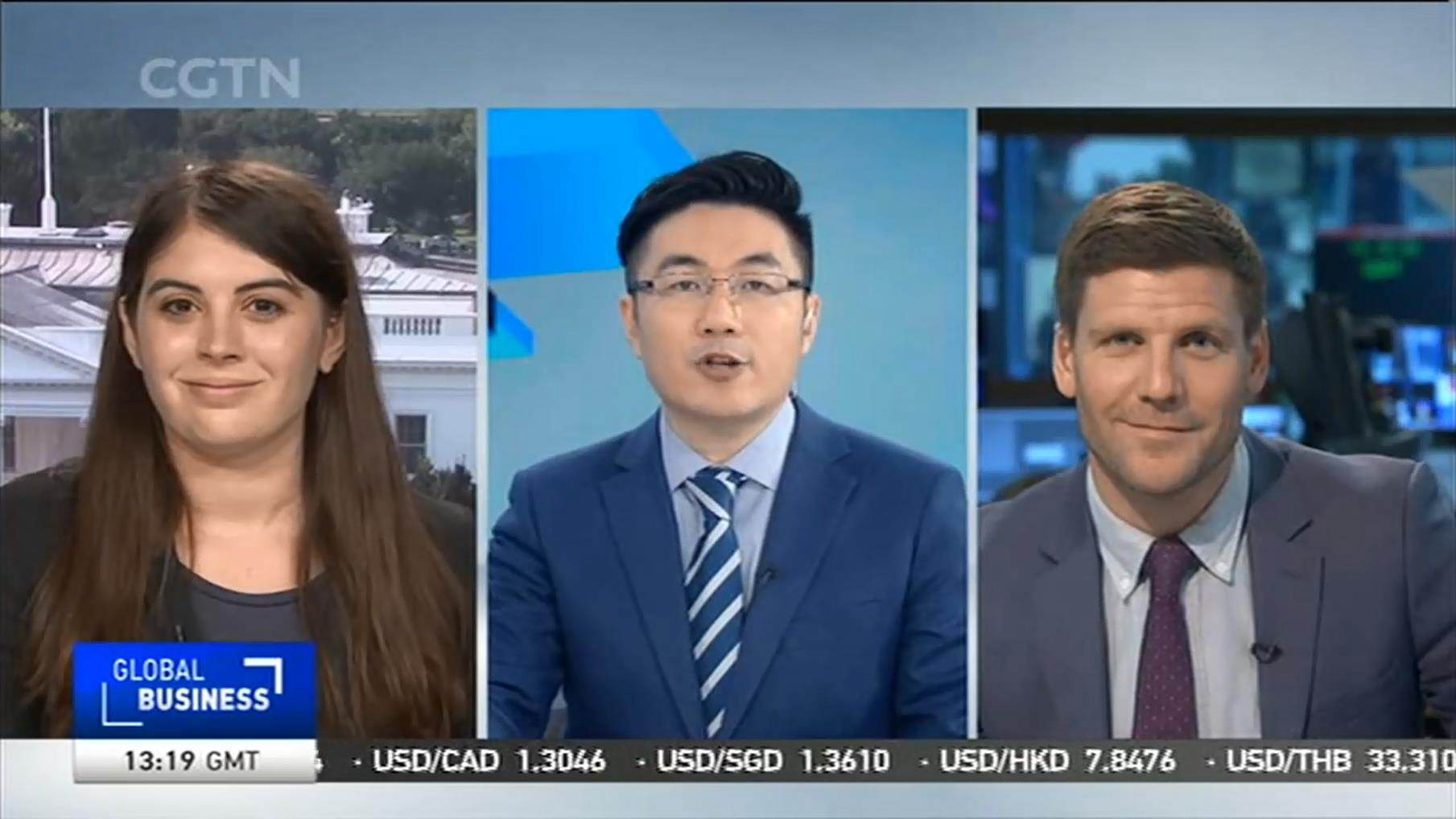
Jacqueline Varas, Director of Immigration and Trade Policy at the American Action Forum, said the result of the meeting between Trump and Juncker was positive, but stressed that no specific agreement exists yet.
“The meeting between President Trump and President Juncker yesterday was positive. However, it’s important to remember that they just agree to keep talking. They agree to establish a working group to continue flushing these issues out. No tariff has been lowered yet, no non-tariff affair has been lowered yet, and no real change has been made,” Varas said.
Both the EU and US agreed to lower trade barriers on non-auto goods. And Varas warned that the unmentioned auto sector might be the potential bursting point in the bilateral trade as the Trump administration is currently investigating auto-related imports on behalf of the national security concerns.
CGTN Screenshot
CGTN Screenshot
If they could not come to an agreement on the auto industry part, it could make the EU-US trade friction getting tenser, Varas told CGTN.
Moreover, Reuter’s reporter Matt Gooderick said the meeting hinted that the two sides started to move towards a zero-tariff and zero-subsidy agreement. But he also admitted that “It’s been held already as a bit of success, but it definitely needs more detail to reassure.”
EU investors are confident on the meeting, Gooderick said, adding that the UK welcomed the agreement between the US and the EU, while France's finance minister stated that they would enter the wider range of negotiation base on the premise that every deal is reciprocal.
And Varas mentioned that the negotiation between the EU and US and China and the US have differences. “With the EU, President Trump indicated that his primary concern is about lowering the trade deficit,” Varas continued. But with China, it’s also about “unfair trade,” according to Varas. Meanwhile, she worried about the trade war’s impact on customers.
“According to our estimation, Trump tariffs over the past year would cost consumers roughly 40 billion US dollar annually,” Varas noted.