
World
16:09, 23-May-2018
Canada tries to stem flow of illegal border crossings
 ["north america"]
Share







Copied
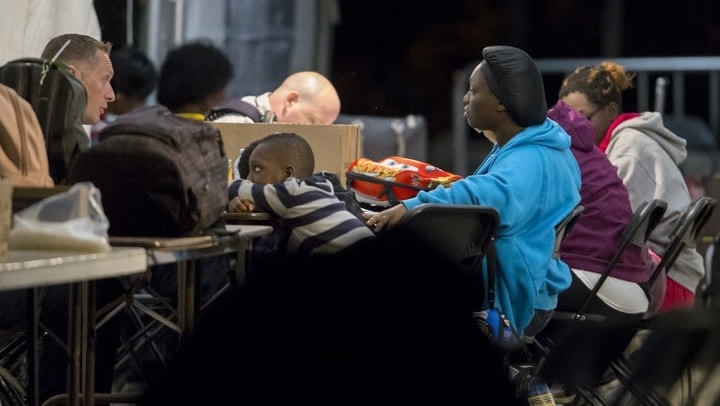
Canada, generally regarded as a welcoming place for refugees, now appears to be taking a tougher stance as the number of illegal border crossings continues unabated.
The country is rejecting more refugee claims from people who crossed its border illegally as Prime Minister Justin Trudeau’s government seeks to dissuade, block and turn back thousands more, according to according to data from Canada’s Immigration and Refugee Board.
40 percent of border crossers whose claims were finalized in the first three months of this year were granted refugee status, down from 53 percent for all of 2017, according to the data. There were no claims finalized in the first three months of 2017.
The Immigration and Refugee Board said on Tuesday it has received no directives or guidance on how to deal with these border crossers.
The government’s “first priority remains the safety and security of Canadians and the integrity of our immigration system,” a spokesman for Immigration and Refugee Minister Ahmed Hussen said in an email to Reuters, which reported the figures.
The wave of border crossings started up in January 2017 and ramped up over the summer as many Haitian immigrants in the United States who were at risk of losing their temporary legal status streamed into Canada on expectations they could find a safe haven. In the months since, thousands of Nigerians have made the same crossing.
Trudeau’s government has sought to stem the influx by amending a US-Canadian border pact that turns back asylum seekers at border crossings, but allows immigrants who enter the country outside of an official border crossing to apply for refugee status.
Discourage citizens
More than 27,000 asylum seekers have walked across the Canada-US border since President Donald Trump took office, some of whom have told Reuters they left the United States because of Trump’s policies and anti-immigrant rhetoric.
The influx has strained Canada’s backlogged system for assisting people seeking refugee status, leaving aid agencies scrambling to meet growing demand for housing and social services.
Canada sent its immigration and refugee minister to Nigeria, asking the Nigerian government to help discourage its citizens from crossing into Canada, and asking the United States to deny visas to people who might then go to Canada.
Immigration and Refugee Board data shows that while only a small number of border-crosser claims have been processed, acceptance rates are down for all groups seeking refugee status. The success rate is especially low for Haitians and Nigerians, with overall acceptance rates of 9 percent and 33.5 percent, respectively.
(Top photo: Refugees speak to Canadian officials at a processing center after crossing the border from the United States. /AFP photo)
Source(s): Reuters