
World
22:06, 10-May-2018
Armenia protests: What villagers had to say about the changes
 ["china"]
Share







Copied
02:32
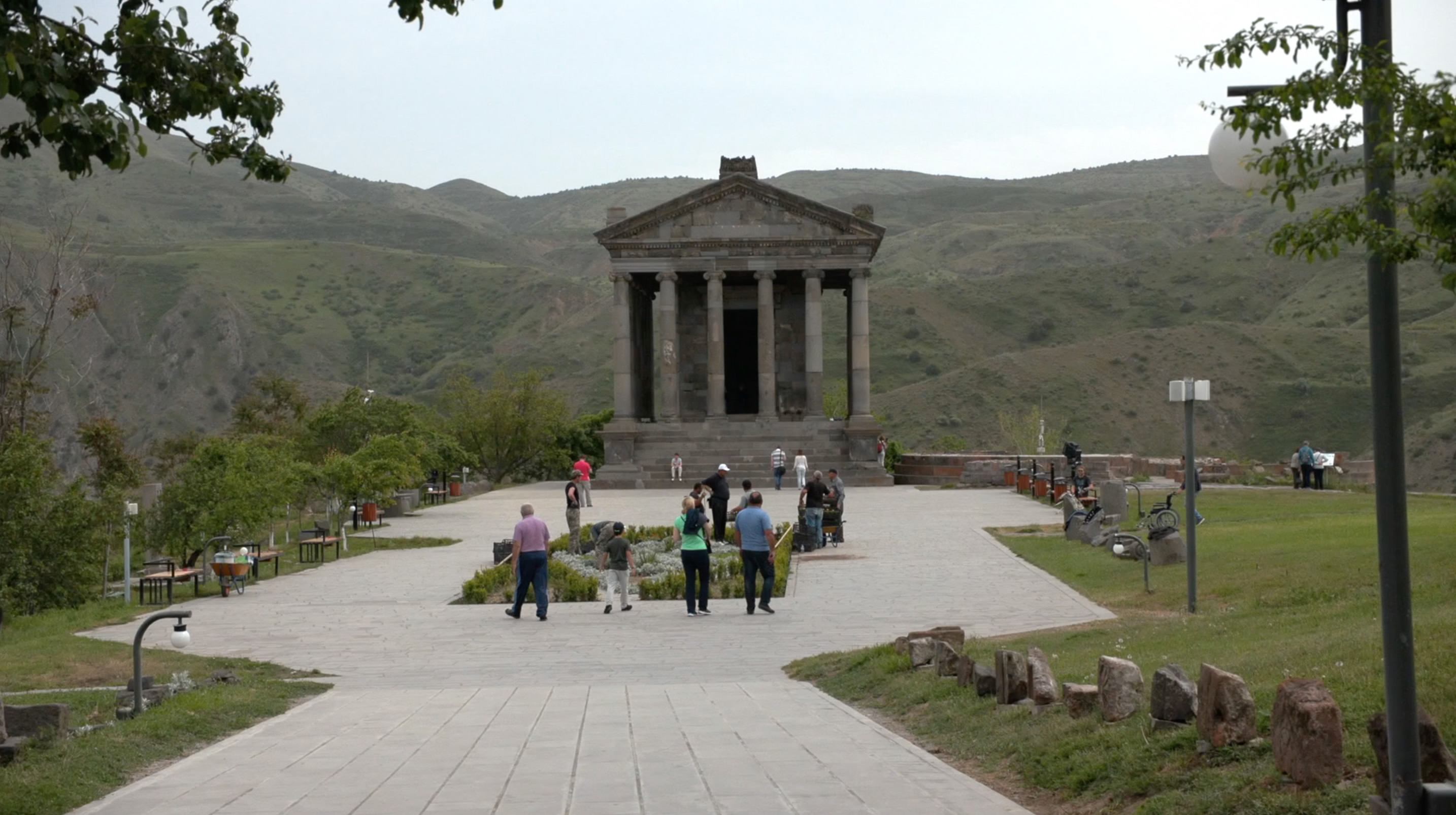
Armenia has made international headlines in a last several weeks, because of the massive anti-government protests in the capital Yerevan.
Most of the protesters were young and from urban areas. Those living in Armenian villages were carefully watching the dramatic political changes in the country. To hear what villagers had to say about the events, we went to the village of Garni – a place where ancient Greeks constructed a temple to honor their gods more than 2,000 years ago.
Greeks have not been around for ages but the village of Garni remains with around 7,000 Armenians. They make a living mostly from tourism and agriculture.
The villagers
Several hundreds of meters from the Greek temple, we met one of the locals in the village, 28-year-old Vardan Arakelyan.
He went to school to learn to be a hairdresser. When he wanted to continue his education, he was asked to give bribes to be accepted at the university. Instead, he stayed in Garni and earned a living as a local hairdresser and by selling fruit and vegetables from his small garden.
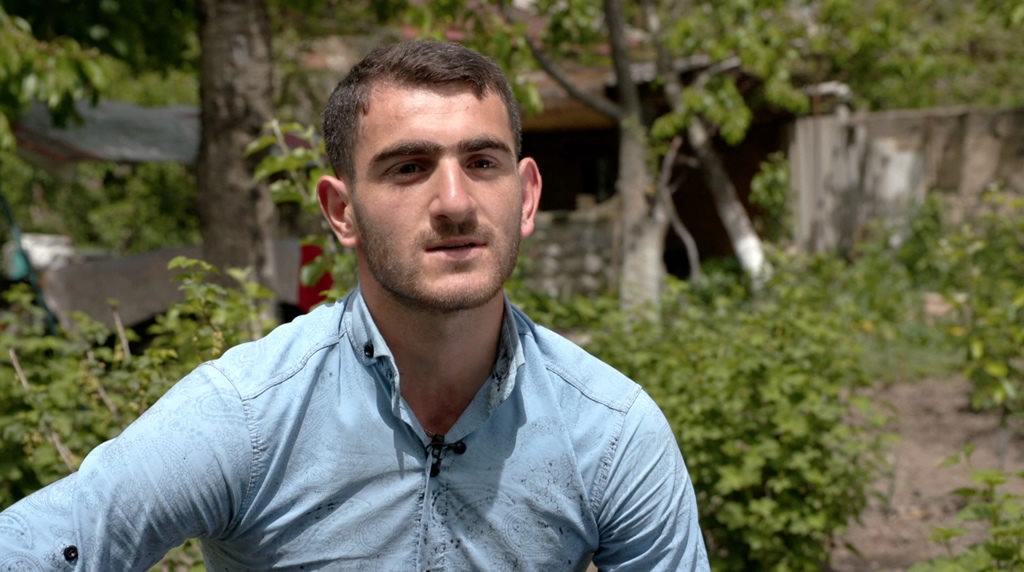
Vardan Arakelyan, Garni villager. /CGTN Photo
Vardan Arakelyan, Garni villager. /CGTN Photo
Now, Vardan has high hopes amid the political changes in the country. "I hope that like every honest man, Pashinyan would see that thousands of people are placing their hopes into him and he’s conscience will kick in and he’ll follow the people’s wishes and give them what they want," Vardan says. "If that doesn’t happen, nothing good can happen after, and every man would have to take care for himself."
Just few streets away from Vardan’s house, we met 67-year-old former art teacher Ruben Babayan and his wife Ruzan Khalatyan. They’ve lived their entire lives in Garni. Now, he spends his retirement days in his studio, painting and enjoying the scenery just outside his windows.
Ruben said he was confident that change was on its way. "I think that changes won’t happen immediately. A lot of things needs to be done. It can take 10 or 20 years, but I’m certain that we’ve changed our path, meaning that the wealth that went into the pockets of the of those in power, will not end up there any more. And now, new authorities need to achieve goals they’ve set. They need to have constructive, pro-national policies. And I think that’ll happen."
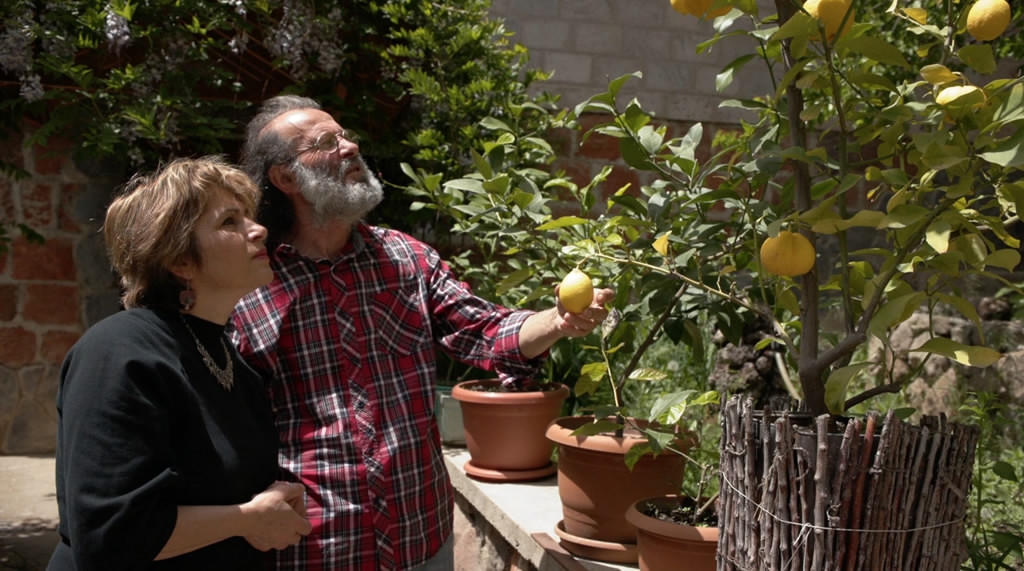
Ruben Babayan (R) and Ruzan Khalatyan (L) in their garden in the village of Garni. /CGTN Photo
Ruben Babayan (R) and Ruzan Khalatyan (L) in their garden in the village of Garni. /CGTN Photo
For thousands of years, Armenia has survived occupations, wars, troubles and triumphs. People here see the latest political turmoil as just a small stitch in the big carpet of their history.
5943km