
Business
17:10, 19-Jun-2018
Emerging markets stuck in a perfect storm
 ["africa","other","South America"," Turkey"]
Share







Copied
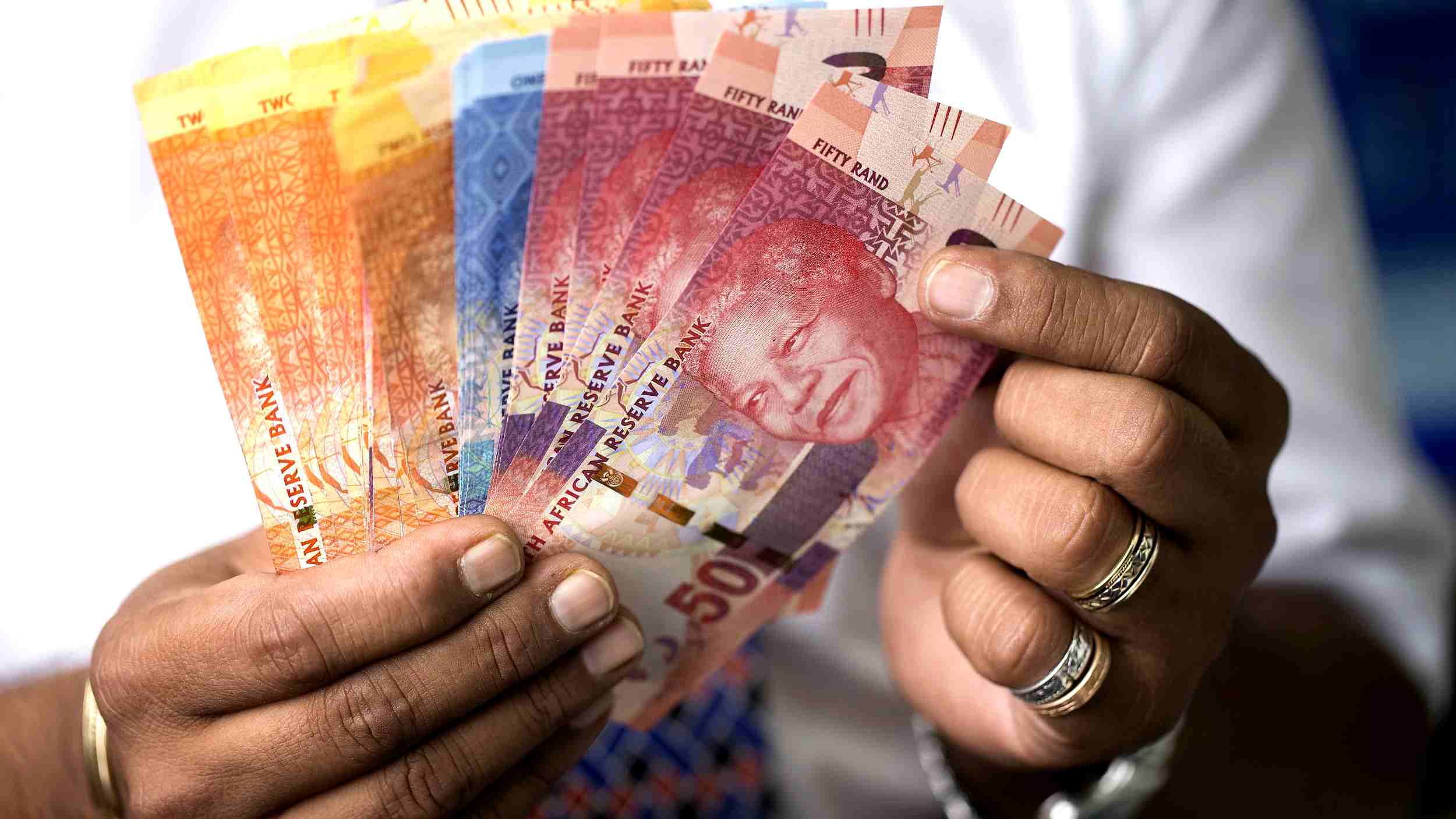
US President Donald Trump’s escalating trade threats, US Fed rate rises, crucial central bank meetings and pre-election tensions – all are combining into a perfect storm for emerging markets, with Monday seeing currencies, stocks and confidence hitting new lows around the world.
Argentina, Brazil woes continue
For Buenos Aires, the olive branch of 50 billion US dollars’ worth of IMF support has slowed the slump but failed to halt economic problems that forced the central bank to hike interest rates to 40 percent.
While the peso has been one of the biggest concerns for the financial authorities, on Monday it was the turn of the stock market to drop dramatically, falling by 8.26 percent to hit lows not seen since 2014.
The stock drop came after the central bank announced new requirements for bank reserves. The measures, which will see banks forced to keep 25 percent of deposits in reserves, boosted the peso by 2.7 percent, but forced down bank shares.
Buenos Aires is also struggling with economic struggles across the border in Brazil, one of its largest trading partners.
Brazil’s currency, the real, has fallen 12 percent in the past year, while equities have dropped 19 percent. The Brazilian central bank has offered 26 billion US dollars’ worth of currency swaps in the space of a week to ease volatility for the real, amid data that suggests the country’s economic recovery is losing steam.

VCG Photo
VCG Photo
Uncertainty also looms over October’s presidential election, with opinion polls suggesting the field between candidates from the left and right remains wide open.
Polls suggest jailed former president Lula would be a favorite for voters, although he is likely to be barred from standing for election.
South African rand hits six-month low
The positivity that surrounded Jacob Zuma’s exit from office and the economic promises of his replacement Cyril Ramaphosa at the start of the year has faded, with South Africa struggling to attract foreign investment and boost growth.
The rand has fallen by 13.6 percent this quarter, with Monday’s drop of 2 percent pushing it to its lowest point under Ramaphosa’s presidency. The pinch is being felt across the country, with electricity supplier Eskom last week forced to cut power nationwide for the first time since 2015.
According to Goldman Sachs, there isn’t much that the central bank can do – the weak “domestic growth-inflation mix in South Africa... [is] less conducive to a rate increase that could help to stabilize the currency.”
Economic woes could sway Turkish election
Turkish voters head to the polls on Sunday, with President Recep Tayyip Erdogan coming under increasing pressure over rising prices and a plummeting currency.
Caught up in the storm affecting other EMs, Erdogan has brought additional problems on to his own shoulders by refusing to increase interest rates, calling them the “mother of all evil.”
The president has also indicated that he would personally look to take more control over financial policy, and last week vowed to “conduct an operation against Moody’s” if he wins the election, blaming the ratings agency’s “unnecessary statements” for disrupting the Turkish economy.
The latest opinion polls suggest Erdogan and his Justice and Development party could fall just short of a majority, despite being in power for 16 years.
With the lira down by 18 percent against the dollar this year, Moody’s placed Turkey on a review list ahead of a potential credit downgrade earlier this month, claiming “recent erosion in investor confidence in Turkey will continue if not addressed through credible policy actions following the June elections.”
As trading concluded last Friday, the lira had just gone through its worst week since 2008, dropping 5.7 percent following Erdogan’s comments on Moody’s.
Investors flee Asian EMs at fastest pace since 2008
Bloomberg reported on Tuesday that so far this year, overseas funds have pulled out 19 billion US dollars from the six leading Asian EMs – India, Indonesia, the Philippines, South Korea, Taiwan and Thailand. That pace of withdrawal hasn’t been seen since 2008, the year of the financial crisis.
Bloomberg’s data show that while EMs performed well in the first quarter of the year, the past two months have seen significant drops, coinciding with the US Federal Reserve increasing rates to 1.75 percent.
Despite the current pessimism surrounding EMs in the short-term, Morgan Stanley has suggested that pressure will be eased with a slowdown for the US dollar. However, “long-lasting bullish EM trends may be a thing of the past”.