
Tech & Sci
16:45, 16-Jul-2018
Australian scientist plans to create clouds to protect the Great Barrier Reef
Updated
16:04, 19-Jul-2018
 ["china"]
Share







Copied
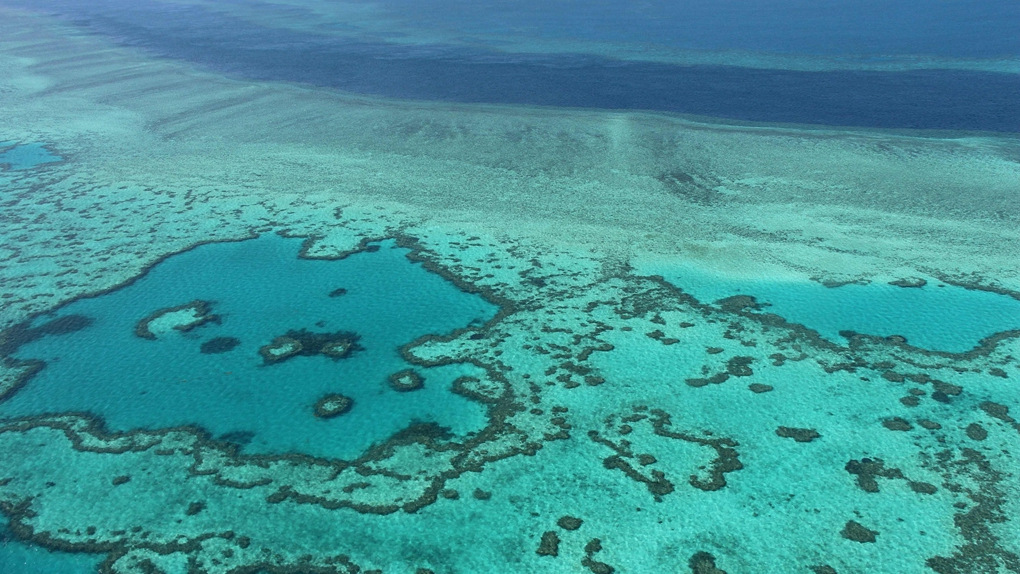
Australian oceanographer Daniel Harrison is planning to protect the Great Barrier Reef from coral bleaching by increasing cloud coverage over the area, the scientist revealed his technology to Xinhua on Monday.
Harrison's strategy, called "Marine cloud brightening" will be presented to 200 experts on Tuesday as they meet in the Australian State of Queensland to discuss the protection of the critically damaged reef.
The method involves spraying seawater to assist in the formation of clouds, which is developed by Harrison and his colleagues from the Marine Studies Institute at the University of Sydney and the National Marine Science Center at Southern Cross University in Coffs Harbour.
Harrison explained that in a cloud every single droplet needs a little tiny speck of dust in the atmosphere to condense onto.
"The idea is that we'd take seawater and we'd spray it out as these nano-sized droplets, and they evaporate leaving the sea salt crystal behind."
Specifically designed nozzles spray a fine mist of three trillion droplets per second, and then mixed into the atmosphere and carried to around a kilometer above the ocean.
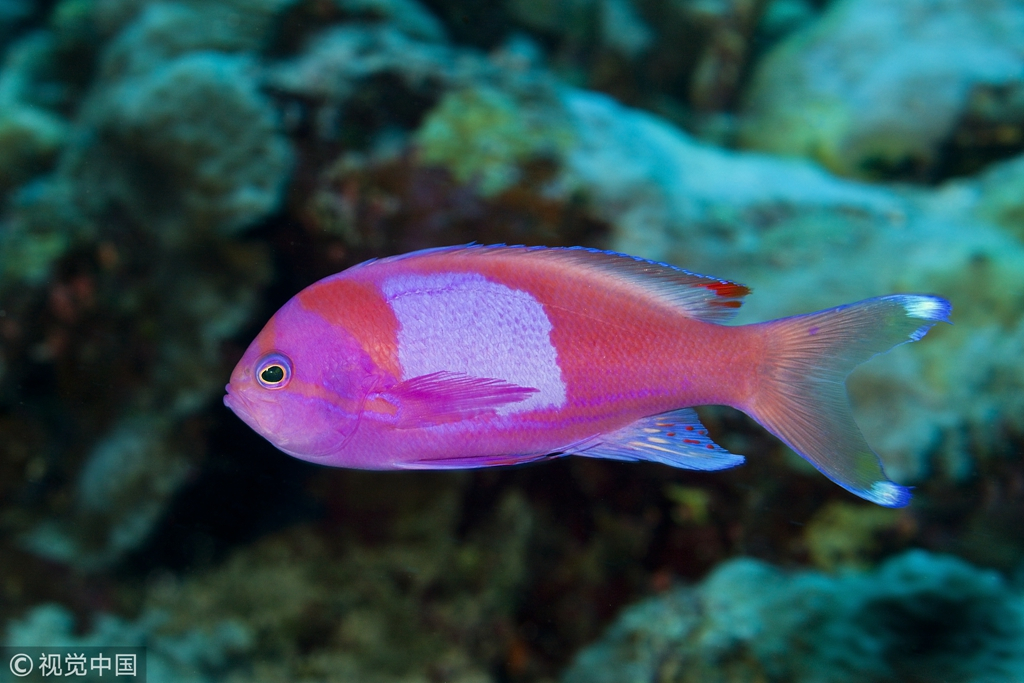
Coral reefs cover less than 0.1 percent of the ocean surface, yet, up to 25 percent of all marine life spends at least part of its life cycle using coral reefs as a habitat. /VCG Photo
Coral reefs cover less than 0.1 percent of the ocean surface, yet, up to 25 percent of all marine life spends at least part of its life cycle using coral reefs as a habitat. /VCG Photo
Harrison said the process will "brighten" the clouds over the reef so that when the clouds form, they will reflect more sunlight back into space.
Coral reefs could bleach from a combination of warmer water and sunlight.
"So if you shade corals, even if they're warmer, they won't bleach," Harrison said.
Pressures on the reef are reaching a critical point in history, according to Harrison.
His strategy aims at protecting the reef from the damage that's already been done by climate change, rather than attempt to stop climate change itself.
Coral reefs cover less than 0.1 percent of the ocean surface, yet, up to 25 percent of all marine life spends at least part of its life cycle using coral reefs as a habitat.
"If we lose the coral reefs, we don't really know the flow on effects that are going to have on marine life in the ocean in general," Harrison said.
Source(s): Xinhua News Agency