
Business
10:45, 01-Oct-2018
New rate schedule to offer savings on personal income tax
Updated
10:23, 04-Oct-2018
 ["china"]
Share







Copied
02:36
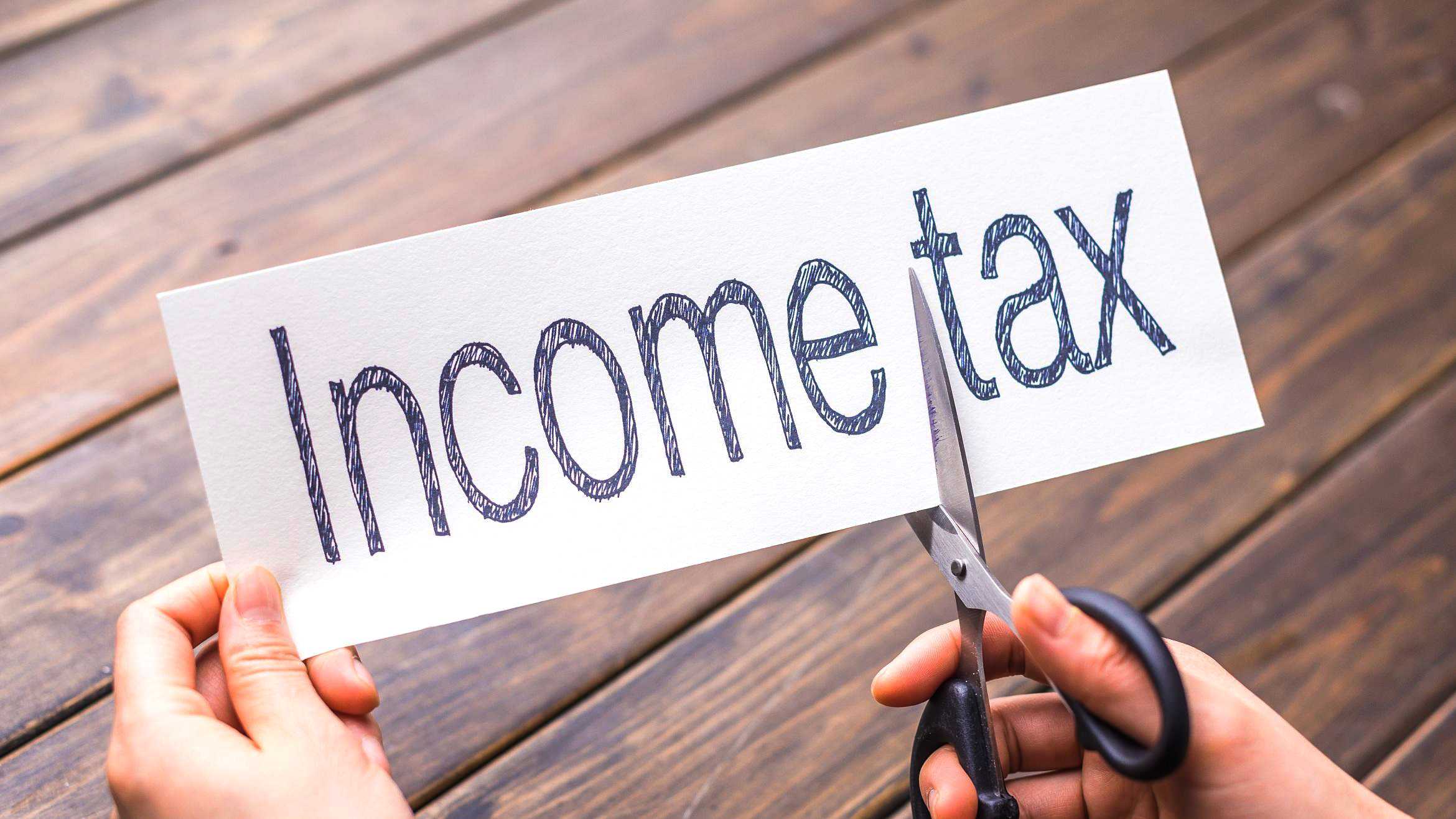
China's newly amended Individual Income Tax Law is set to be effective starting January 1 of next year, but the new tax rate schedule will be effective October 1.
For families like Ma Youxin and Yang Xiaoyu, this means over 12,000 yuan (1,764 US dollars) extra income a year. Ma and Yang got married two years ago. They are both white-collar workers living in Beijing and love to travel. So for the young couple, the extra money means dining out more often, or more funding for their upcoming trip to New Zealand.
Average megacity dwellers in China have been burdened by high living cost and skyrocketing property price, which many believe have made people reluctant to buy things.
“The low to mid-income population has a higher marginal propensity to consume. A change of disposable income will have a greater effect on their tendency to consume,” said Liu Chunsheng, an associate professor from Central University of Finance and Economics. “Lower tax means they will have more hard earned money to spend.”
The new rate schedule has raised the personal income tax baseline from 3,500 yuan (514 US dollars) to 5,000 yuan (735 US dollars), which means if one makes less than 5,000 yuan per month, he or she won't need to pay income tax at all.
Moreover, China has a progressive taxation system for income tax. That is, taxpayers pay different rates for different part of their income. Intervals of three percent, 10 percent and 20 percent have been greatly widened. Therefore, lower tax rates will cover more of the population.
Under the new Individual Income Tax Law, expenses for children's education, continuing education, mortgage interest rates, rent and severe illnesses, will also be deducted from an individual's taxable income. The actual deduction baseline should essentially become higher than 5,000 yuan per month next year.
Liu says that low to mid-income individuals will benefit the most from the tax reform.
“First, all taxpayers will benefit from this tax reform. But this time the mid to low income population will benefit the most, because of the higher baseline and wider low tax rate intervals. Many living in smaller cities are concentrated in the lower income spectrum. Many of them will be exempted from paying income tax.”