
Business
19:07, 18-Jul-2018
China EconTalk: Second round of tariffs to have significant impact
Updated
18:43, 21-Jul-2018
 ["china"]
Share







Copied
03:12
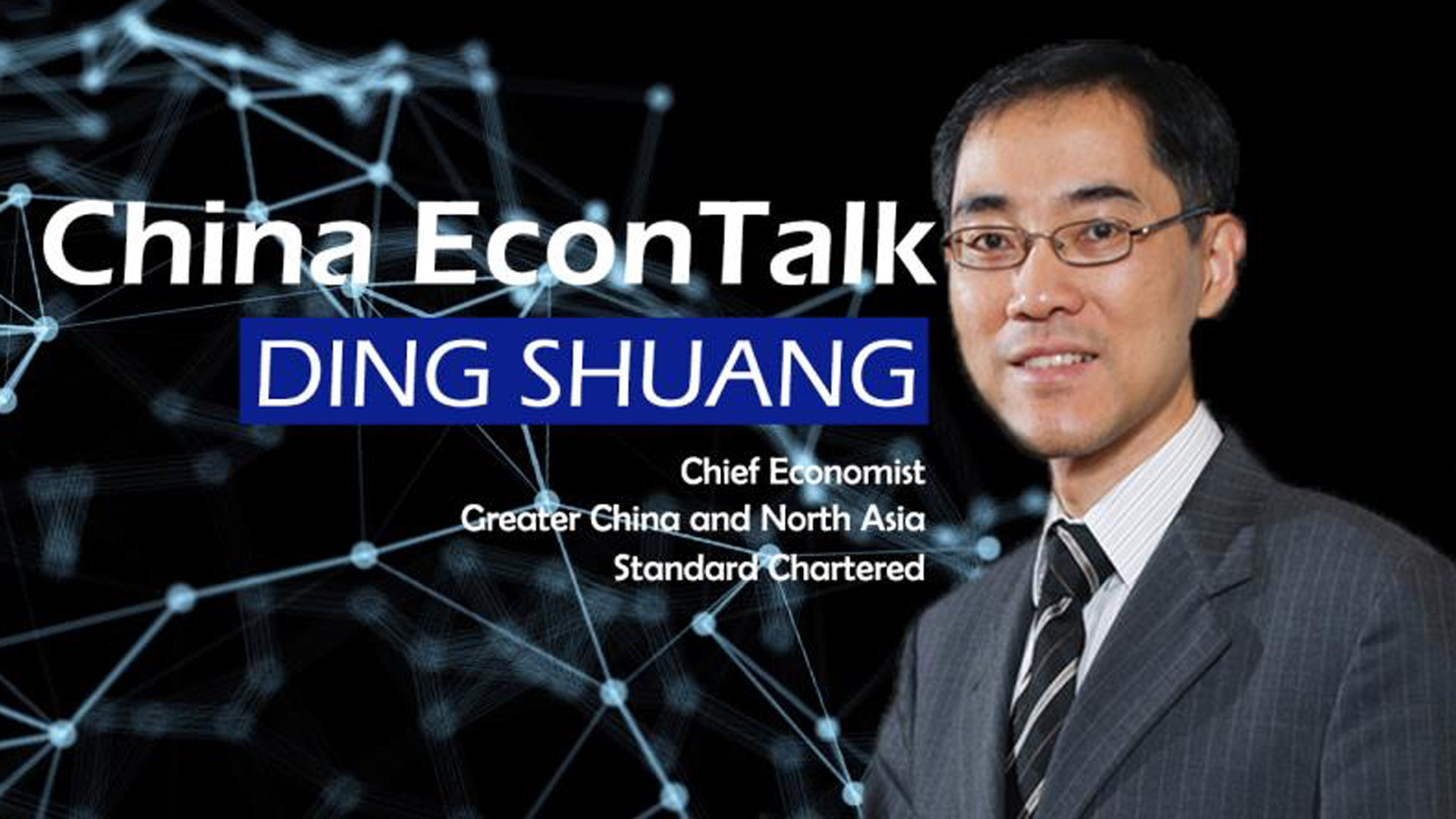
It is estimated that the 25 percent tariffs levied on 34 billion US dollars worth of Chinese products would reduce China’s exports to the US by five percent, but with the second round of tariffs, the potential 10 percent tariffs on 200 billion US dollars worth of Chinese products will have a more significant impact on the bilateral trade and indirect impact on the shipping industry, Ding Shuang said.

VCG Photo
VCG Photo
Ding also said that the ongoing China-US trade frictions will influence China’s inflation figures in the second half of the year.
The Consumer Price Index (CPI), which increased two percent year-on-year in the first half of 2018, may trend up in the second half.
“CPI inflation will be affected in part by China-US trade frictions, with the cost of soybean imports increasing. That would affect soybean related products, and also some downstream products like pork,” Ding explained.
And the Producer Price Index (PPI), which saw 3.9 percent growth in the first half of the year, may trend down in the next couple of months, he said.
China’s GDP growth in the second half of this year will be significantly lower than in the first half, leading to impacts on imports and commodity prices, so PPI is likely to be lower than in the first half, Ding said.
Faced with the potential impact from China-US trade frictions, Chinese policymakers have recently increased their policy support. Chinese banks extended 1.84 trillion yuan (about 274.91 billion US dollars) in net new yuan loans in June, up considerably from the previous month and beating analysts’ expectations.
However, social financing data was disappointing, Ding said, pointing out that the overall monetary and credit condition appeared to be “quite tight.”
“There would be a shift to a more neutral position,” Ding forecasted. Based on his estimate, “to keep the monetary credit growth in line with nominal GDP,” the PBOC may cut the reserve requirement ratio (RRR) by 2.5 percent in the next one-and-a-half years.