
Economy
15:35, 06-May-2019
From infrastructure to agriculture, Chinese projects boost the Fijian economy
Updated
08:15, 07-May-2019
 ["other","Fiji"]
Share







Copied
03:31
China has revealed to vigorously promote co-operation with Pacific Island countries as the investment in Fiji is diversifying from infrastructure to agriculture. Deputy General Manager of China Rail First Group, Wang Gang, also the head of Fijian Chinese chamber of commerce, saw new investment trends and said investors should stress compliance, environment protection as well as localization.
Wang said the company was focusing on relatively large road construction projects and expected to go far in the Fijian market, bettering quality and standards in the country. For the 44 percent of Fijians living in rural areas, China rail's projects are making it easier to get around, as they have built 126 kilometers of roads and 22 bridges.
“Lots of private companies have come into Fiji, and they're relatively flexible in more industries, which makes up for the shortage in Fiji's primary, secondary and tertiary sectors. They're indispensable,” Wang added.
Private company Dongcheng, which opened the Nalagi Hotel – the tallest building in Nadi – last year, said Chinese investment in Fiji requires patience, localization and compliance.
“Most investors to Fiji are genuine, [with] Chinese efficiency and Chinese pace," said Wang Lu, secretary of Dongcheng Investment Company, noting that they hope to finish the project within expected time, but felt frustrated and even think it can't continue.
The secretary stressed that Fiji has a strict process on project evaluation, like environmental assessment, which asks for a rigid adherence, "as long as you are going things according to the law, [it will go on] very smoothly.”
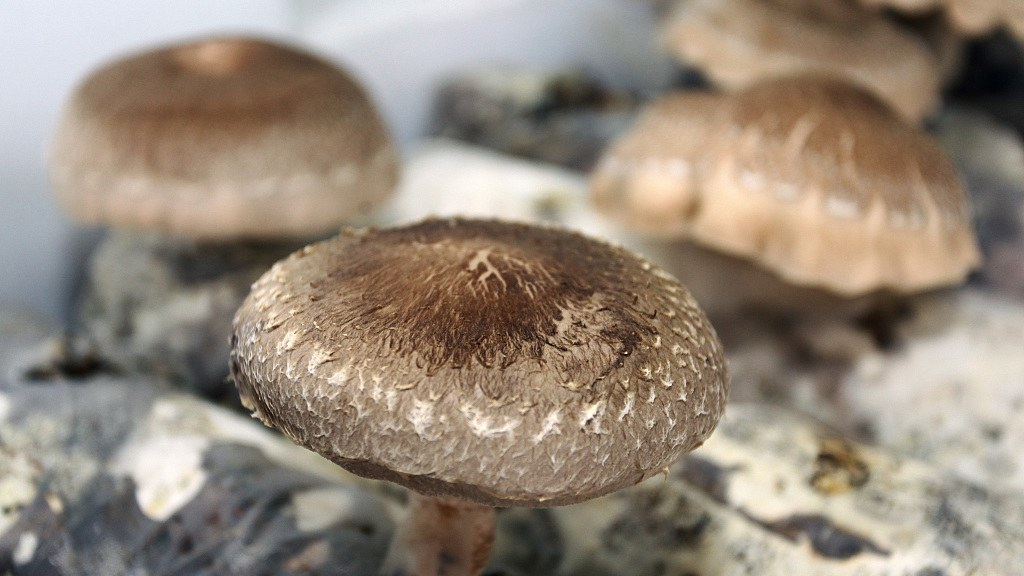
China's Juncao technology is also bringing tangible benefits to Fijians. The technology provides agricultural technology to cultivate edible and medicinal fungi by using wild grasses and herbal plants instead of trees or woods. Now Fijian farmers can earn up to 1,500 U.S. dollars more per month by selling edible mushrooms.
Lin Zhansen, team leader of China-aid Fiji Juncao Tech demo center, has spent the past 21 years living outside China teaching farmers the Juncao mushroom technology. His team has trained over a thousand famers and is aiming to double that.
"Now for farmer in mushroom growing on this site, many start their production then sell, eat the mushroom, and feed them to livestock. Our Juncao technology is very good for feeding animals, high yield and high nutrition content, making it very good for livestock development and regional countries," Lin said.
Once the domestic market is educated and fostered, Fijian mushrooms could aim for exports. Lin cited Juncao mushrooms products as having good potential in the international market since there is a good environment in Fiji, and high quality of mushrooms and meat from Juncao grass.
Chinese businesses in Fiji go back to the 1800s, building trust and having long term visions will pave the road for today's investments to go steadier, and further.