
Business
18:07, 16-Jul-2018
China EconTalk: Trade tensions push forward RMB internationalization
Updated
18:07, 19-Jul-2018
 ["china"]
Share







Copied
03:17
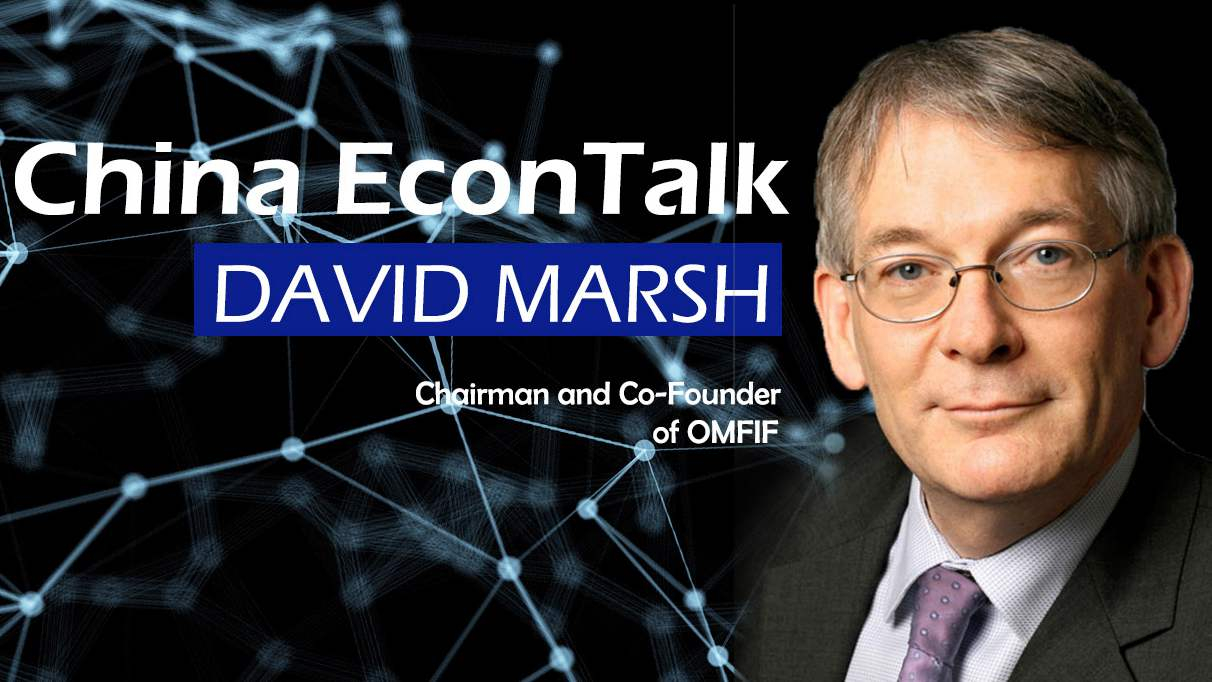
David Marsh, chairman and co-founder of the Official Monetary and Financial Institutions Forum (OMFIF), said the ongoing trade tensions may give a backdoor push to RMB internationalization.
According to Marsh, trade policy from the US President Donald Trump may boost the use of RMB as the global investment currency and the world currency reserves. Meanwhile, Trump’s protectionism has driven its major partner, the EU, to work more closely with China than before. And that will accelerate yuan’s internationalization as well.
“Trump is helping globalization of RMB,” Marsh said.
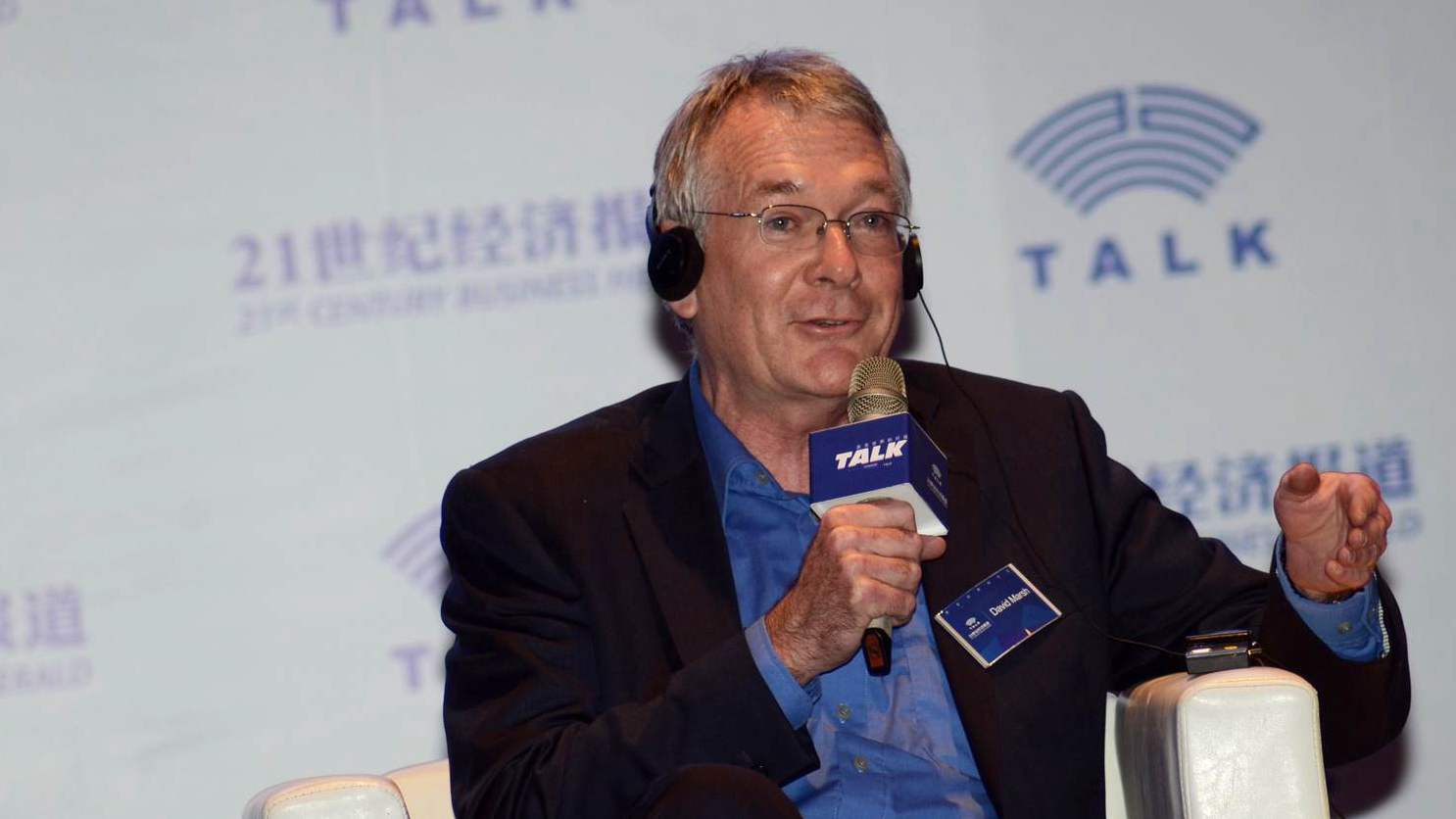
David Marsh, chairman and co-founder of the Official Monetary and Financial Institutions Forum. /VCG Photo
David Marsh, chairman and co-founder of the Official Monetary and Financial Institutions Forum. /VCG Photo
Moreover, China’s opening up in the financial sector, such as the ongoing Shanghai-London stock connect as well as A-shares inclusion in MSCI, is linking the domestic financial market with markets abroad. Therefore, Marsh believed that Chinese currency is becoming a significant component of a global economic system. And that process is unstoppable in his mind.
While the Chinese yuan is increasing its weights in the global market, what about the US dollar? Marsh expected another rate hike from the Federal Reserve (the Fed) in September. Whether the Fed raises interest rate again in December, Marsh forecasted a more hawkish Fed, due to the unsustainable growth of inflation.
The direct impact of increased US import tariffs might be to raise domestic costs and prices. However, there are important indirect effects from increased tariffs that might be expected to push down domestic US costs and prices. And the downward indirect impact on cost and prices could more than offset the upward direct effects.
Tariffs are up, but prices are not up as expected. That would be one reason that the Fed becomes more hawkish, Marsh explained.