
World
20:27, 01-Aug-2018
Former soldiers call for peace, reconciliation in Lebanon
Updated
19:53, 04-Aug-2018
 ["china"]
Share







Copied
00:49
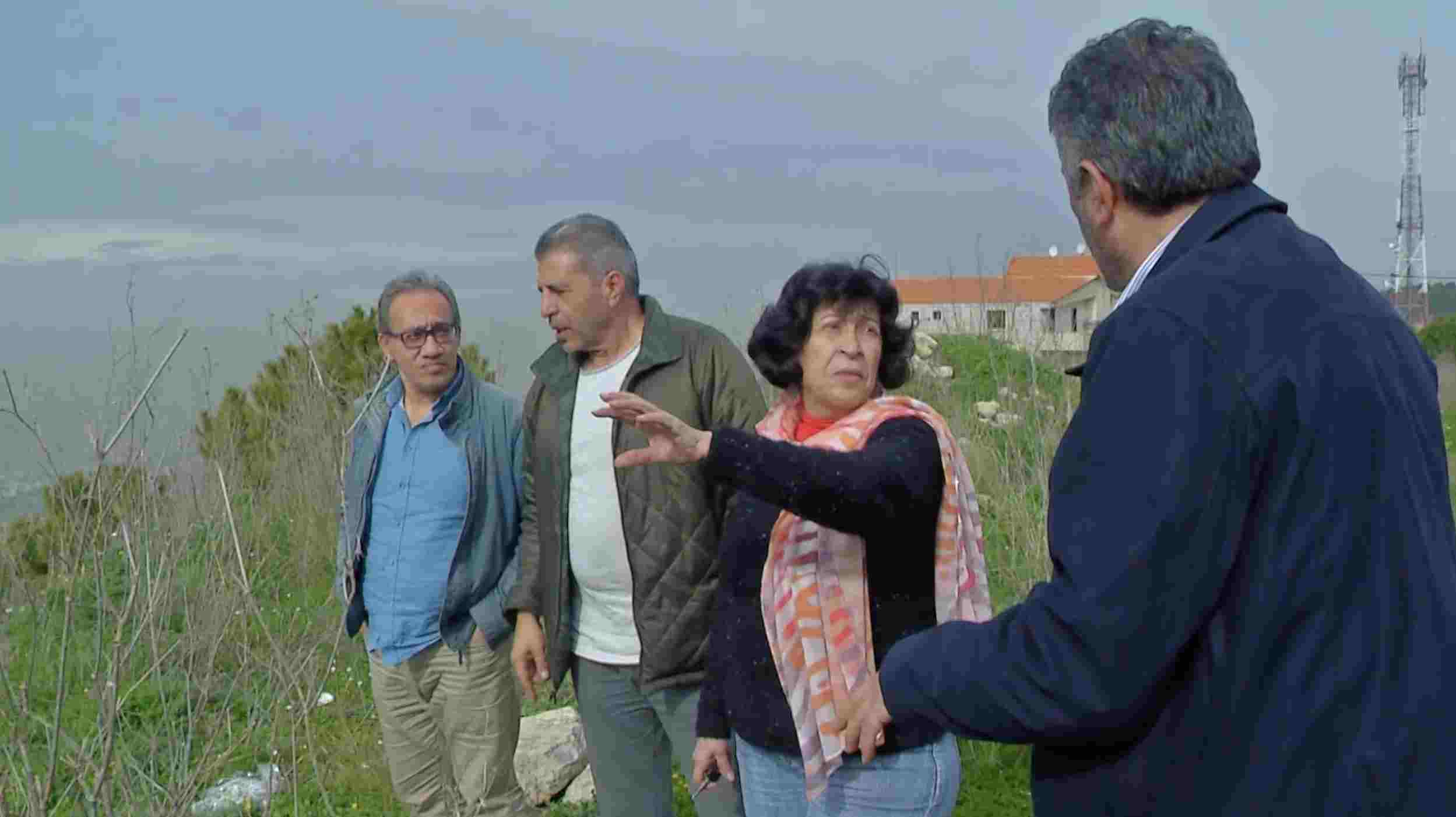
They were once former fighters on opposing sides during the Lebanese Civil War, who at one time wouldn't have thought twice about killing each other.
But now, these former rivals have not only buried their hatchet, they have also come together to form the organization Fighter for Peace.
They aim to spread the message of reconciliation and peace.
Apart from not wanting to repeat history, these former fighters said they want to categorically say no to war.
The Lebanese Civil War
Between April 1975 and October 1990, Lebanon erupted into a brutal civil war that pitted different religious communities against one other.

Lebanon’s capital Beirut bore the brunt of the 15-year civil war. /CGTN Photo
Lebanon’s capital Beirut bore the brunt of the 15-year civil war. /CGTN Photo
The 15-year war saw rapidly changing alliances and the invasion of the country by both Syria and Israel.
It eventually led to over 150,000 dead, a third of the population displaced, and the devastation of the country’s infrastructure and economy.
The scars of war
As a former fighter, Ziad Saab recounted to CGTN’s Assignment Asia, many of his friends died during the civil war. These included an eight-year-old boy who he used to play with near the front line.
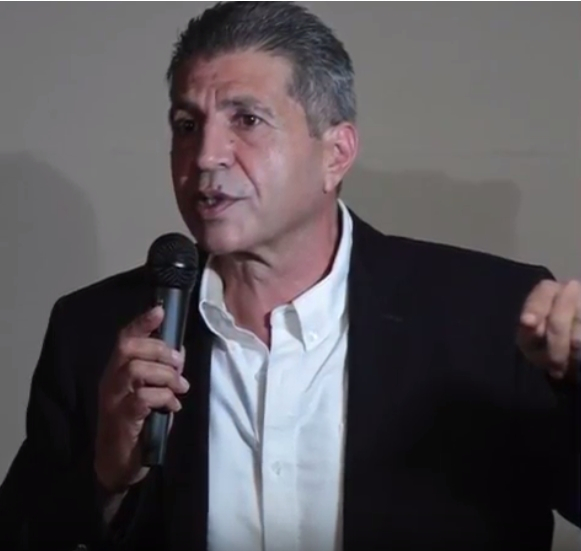
Ziad was inspired to join the war by his grandfather who was revered for resisting the French in 1925. /CGTN Photo
Ziad was inspired to join the war by his grandfather who was revered for resisting the French in 1925. /CGTN Photo
“One day we were in a hurry, and I didn’t stop to play with him. We crossed the street, but the kid tried to follow me and was shot by a sniper. I heard the shot, looked back and he was already lying dead in the street. Although it was the sniper who killed him, I felt responsible. If it wasn’t me who used to play with him, he wouldn’t have followed me and been killed. To me, this is the most painful memory of the war.”
Ziad once commanded as many as 500 fellow militants, one of whom was Selwa Saad. Selwa said she became a volunteer at the beginning of the war in order “to prove to myself and others that as a woman, I can do the same things men can do.”
The war took away not only Selwa’s best friend, but also her first love.
Gaby Jamal joined the war at 12 and recalled hugging his Kalashnikov to sleep at night. “I lost my childhood very early. While others at my age were playing with other things, I was already playing with guns. Though we were kids, we became men very early.”
Former fighters’ regret
Apart from their personal losses, these former fighters also felt remorse for their involvement in the war.
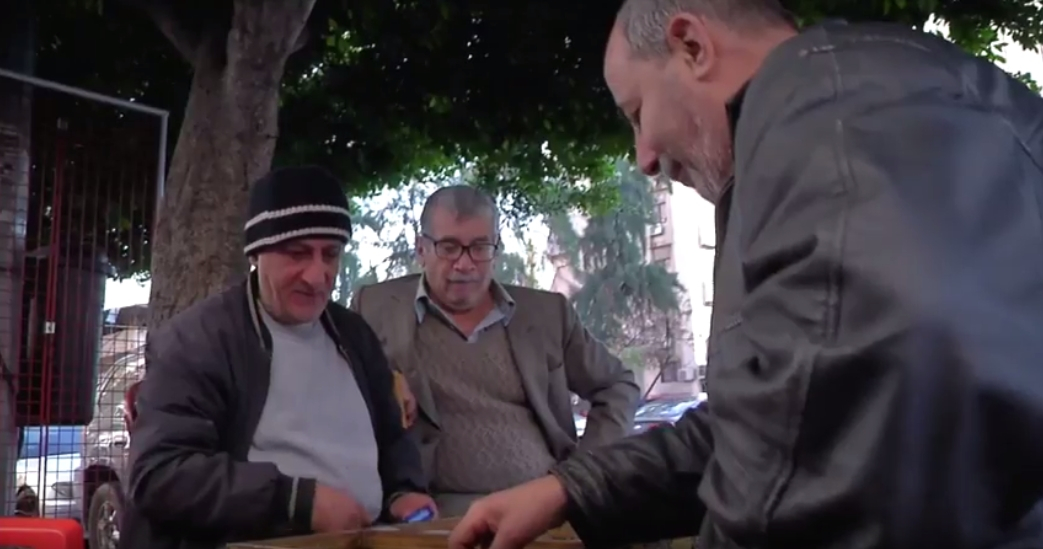
No help was ever provided to ex-combatants nor were any programs developed to help them re-integrate into society. /CGTN Photo
No help was ever provided to ex-combatants nor were any programs developed to help them re-integrate into society. /CGTN Photo
As Ziad recalled: “We were ambitious in wanting to build a democratic society, but in the end, we only achieved in destroying our country.”
Agreeing, Gaby said that they were once ready to kill and filled with hatred for their opponents. “We didn’t even think for a moment that we can live with or talk to them. It was either us or them.”
Fighters for peace and reconciliation
In 2013, when violent street clashes erupted in Lebanon’s northern city of Tripoli, many feared that the country would plunge into yet another civil war.
Together with his ex-combatants, Ziad knew it was time to start speaking out about how the war had changed their lives, and how they had a role to play in setting an example for the young.
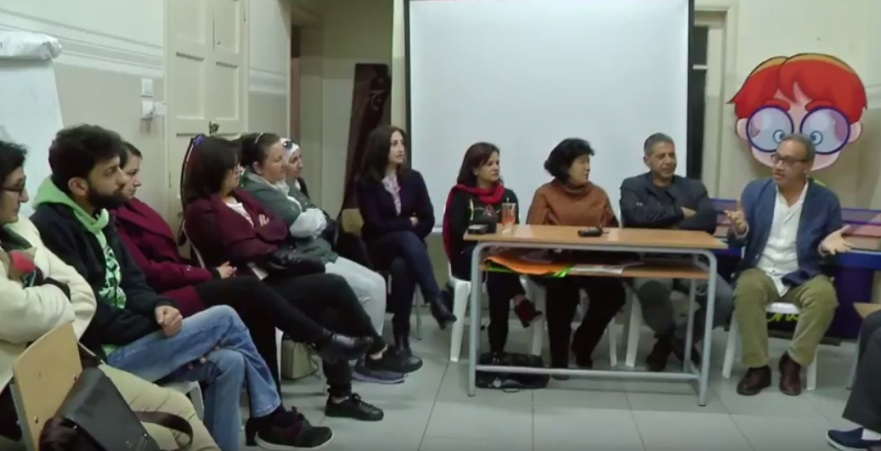
Former fighters meet a group of social workers engaged with at-risk youth in the southern Lebanese city of Sidon. /CGTN Photo
Former fighters meet a group of social workers engaged with at-risk youth in the southern Lebanese city of Sidon. /CGTN Photo
By setting up the organization Fighter for Peace, they hope to bring about reconciliation between former fighters, as well as between communities through school visits, online platforms, public discussions and workshops.
But initially, it was a challenge for everyone to face their former rivals. But what overcame the hurdle was the realization, according to Ziad, that “they have the same goals and visions as us.”
Saying no to war
Former fighters said that setting up Fighters for Peace is necessary to ensure that Lebanon does not repeat its recent painful history.
The organization is able to put across the message that despite the differences between the communities, it is possible for everyone to live in peace and harmony.
And this is a crucial lesson which they want to pass down to their children and future generations in an effort to ensure the future of Lebanon.