
Pollution
11:31, 20-Aug-2018
Contact lenses down the drain may cause pollution: study
Updated
10:50, 23-Aug-2018
 ["china"]
Share







Copied
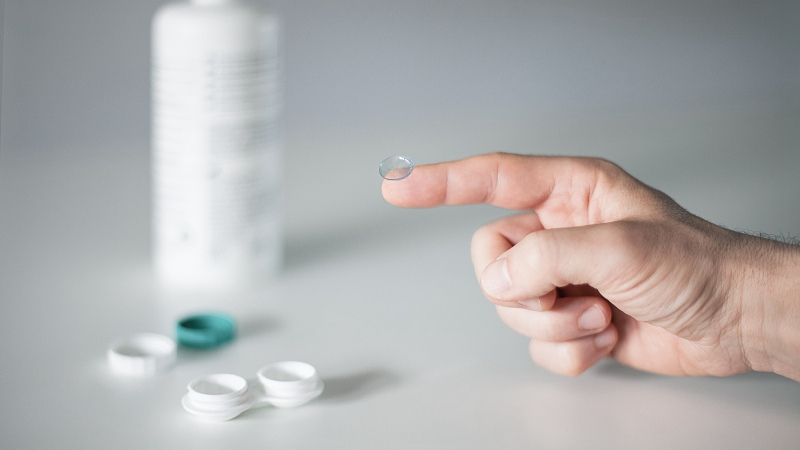
Scientists found that throwing contact lenses down the drain at the end of their use could be contributing to microplastic pollution in waterways.
The researchers reported in a study presented on Sunday at National Meeting and Exposition of the American Chemical Society (ACS) in Boston that contact lenses tend to be denser than water, so they sink, and could ultimately pose a threat to aquatic life, especially bottom feeders that may ingest the contacts.
About 15 to 20 percent of contact wearers are flushing the lenses down the sink or toilet in the United States, and roughly 45 million people in the US wear contact lenses, according to the study.
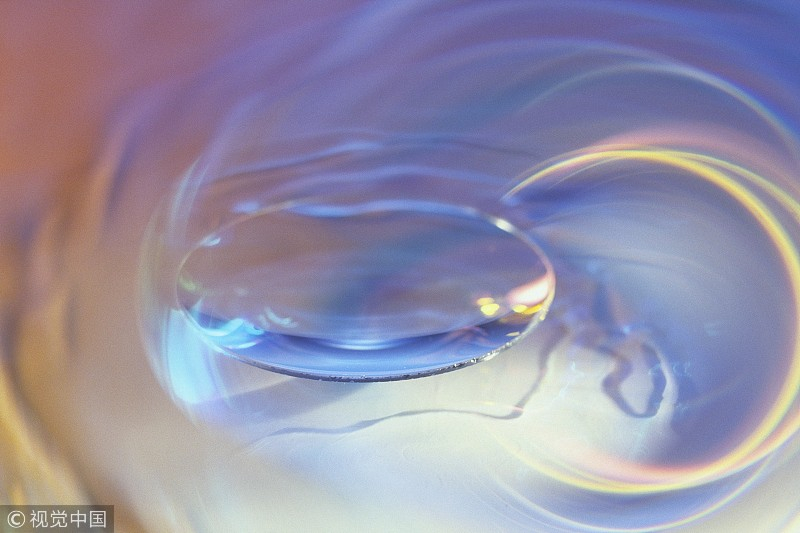
Throwing contact lenses down the drain could be contributing to microplastic pollution in waterways, scientists stated. /VCG Photo
Throwing contact lenses down the drain could be contributing to microplastic pollution in waterways, scientists stated. /VCG Photo
The team from Arizona State University estimated that anywhere from six to ten metric tons of plastic lenses ended up in wastewater in the US alone each year.
The researchers exposed five polymers found in many manufacturers' contact lenses to anaerobic and aerobic microorganisms present at wastewater treatment plants during various times and performed Raman spectroscopy to analyze them.
"We found that there were noticeable changes in the bonds of the contact lenses after long-term treatment with the plant's microbes," said Varun Kelkar with Arizona State, a co-author of the paper.
The team concluded that microbes in the wastewater treatment facility actually altered the surface of the contact lenses, weakening the bonds in the plastic polymers.
"When the plastic loses some of its structural strength, it will break down physically. This leads to smaller plastic particles which would ultimately lead to the formation of microplastics," said Kelkar.
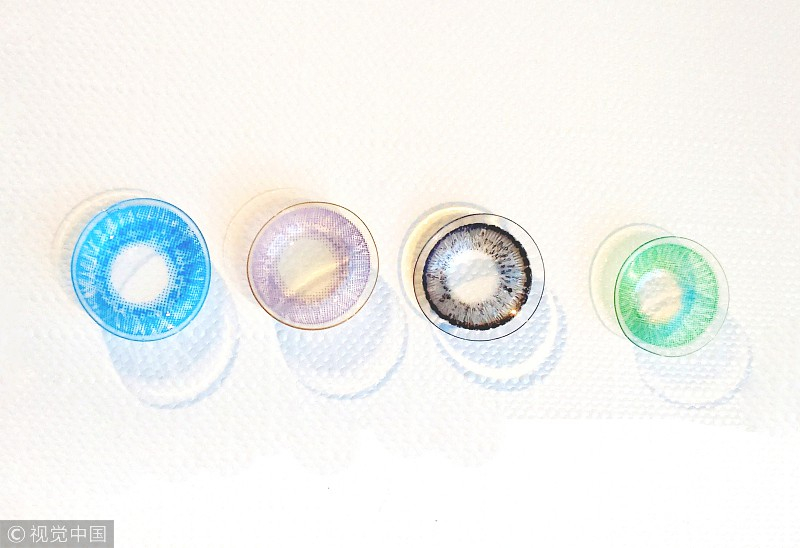
A study shows about 15 to 20 percent of contact wearers are flushing the lenses down the sink or toilet in the United States. /VCG Photo
A study shows about 15 to 20 percent of contact wearers are flushing the lenses down the sink or toilet in the United States. /VCG Photo
Aquatic organisms can mistake those microplastics for food, and since plastics are indigestible, this dramatically affects the marine animals' digestive system.
These animals are part of a long food chain, and some eventually find their way to the human food supply, which could lead to unwanted human exposures to plastic contaminants and pollutants that stick to the surfaces of the plastics, according to the study.
(Top image: Contact lens /VCG Photo)
Source(s): Xinhua News Agency