
Politics
10:31, 17-May-2018
Burundians to vote on extending presidential terms
 ["africa"]
Share







Copied
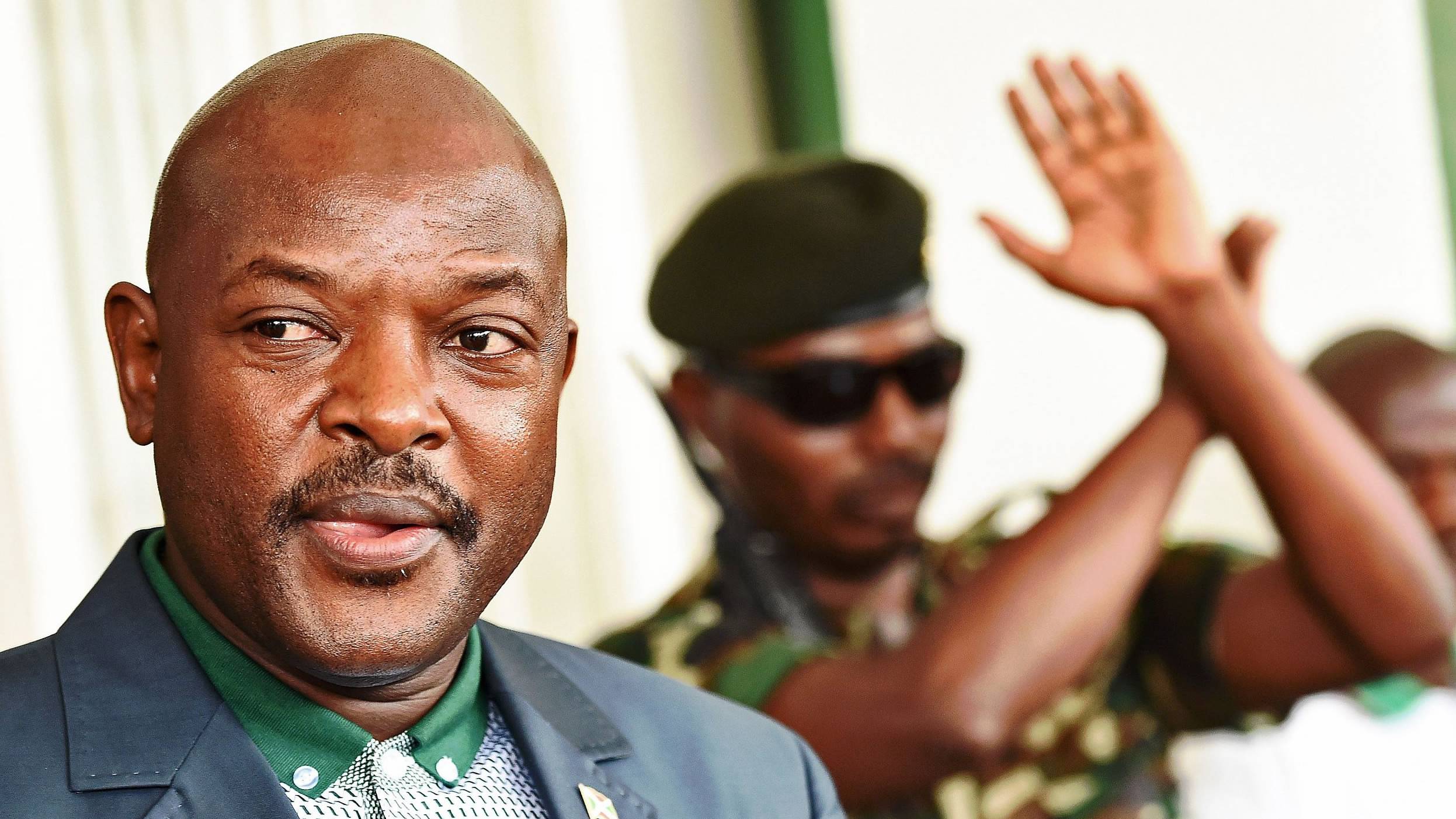
Burundians vote on Thursday in a referendum that would let President Pierre Nkurunziza stay in power until 2034, raising fears of deeper political repression and ethnic conflict in the Great Lakes nation only a generation after the Rwandan genocide.
Nearly half a million have fled since Nkurunziza won a third term in a violent election in 2015. The East African country has the same ethnic makeup as its neighbor Rwanda, where the constitution has also been changed to give the president the opportunity to remain in office.
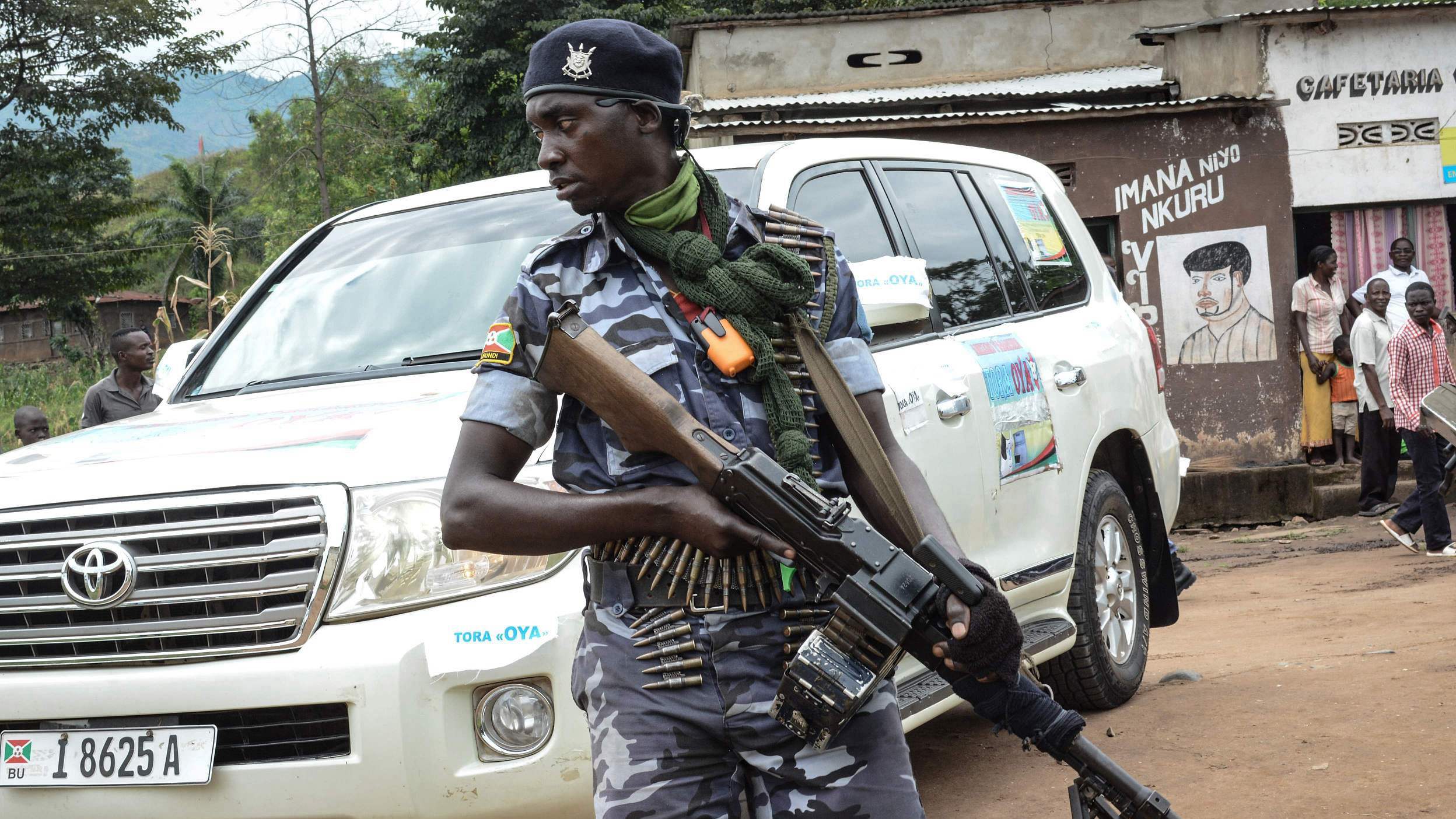
A security guard works during the opposition's campaign against the referendum for a constitutional amendment extending presidential terms in Kabezi, Burundi, May 11, 2018. /VCG Photo
A security guard works during the opposition's campaign against the referendum for a constitutional amendment extending presidential terms in Kabezi, Burundi, May 11, 2018. /VCG Photo
Opposition politicians and rights groups have cited numerous examples of repression, from arrests of dissidents, to the breaking up of "no" rallies, to death threats issued by the Imbonerakure, the youth wing of Nkurunziza's ruling CNDD-FDD.
In a sign of the poisonous political atmosphere, the party's secretary general told a rally in the capital, Bujumbura, this week that those who voted against the proposed changes to the constitution were "enemies of the nation."
What is the referendum about?
Nkurunziza, a former sports teacher and guerrilla leader from the Hutu ethnic majority, has ruled the landlocked nation, one of the world's poorest, since the end in 2005 of a civil war in which 300,000 people were killed.
The president – a fervent Christian who believes he has a God-given right to rule – wants to rewrite the constitution and extend term lengths to seven years. This would allow him to start again from scratch after the 2020 elections.
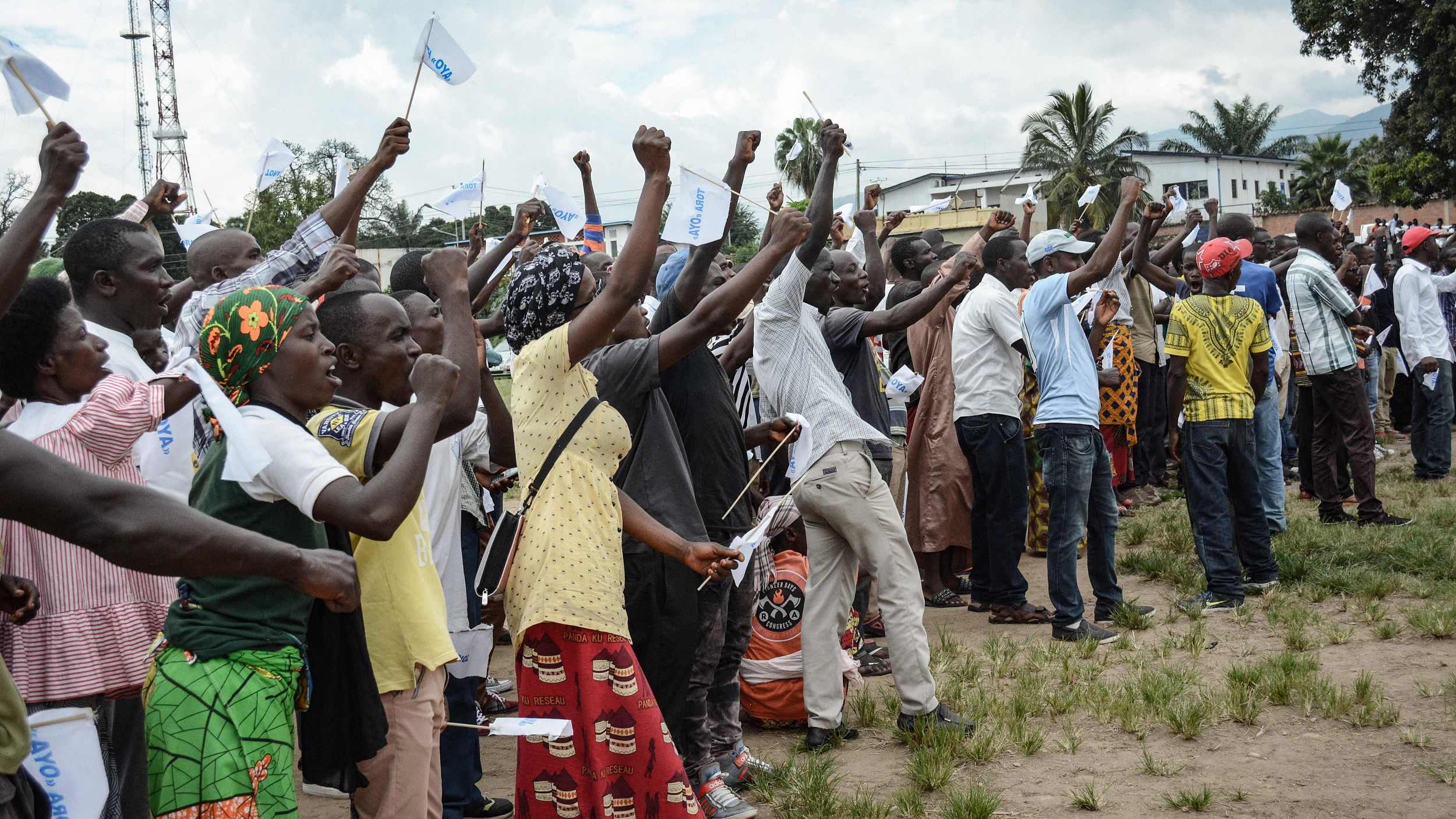
A Burundian opposition campaign rally against the referendum on constitutional amendments extending presidential terms in Kabezi, May 11, 2018. /VCG Photo
A Burundian opposition campaign rally against the referendum on constitutional amendments extending presidential terms in Kabezi, May 11, 2018. /VCG Photo
Other reforms weaken constitutional constraints over the national intelligence agency and allow the revision of ethnic quotas seen as crucial to peace after the war. The new constitution also gets rid of one of two vice presidents and shifts powers from the government to the president.
Some 4.8 million people, or a little under half the population, have signed up to vote, according to the Independent National Electoral Commission, which is running the referendum. The changes will be adopted if more than 50 percent of cast ballots are in favor.
Free and fair?
Burundi's exiled opposition, gathered in an alliance called CNARED, has called for a boycott of the referendum, which it describes as the "death knell" to the 2000 agreement that helped end the bloody civil war.
The government has denied allegations of repression and says the vote will be free and fair. A ruling party member who urged government supporters to throw opponents into a lake was jailed last month.
Many Burundian refugees are now living in Rwanda, where 800,000 ethnic Tutsis and moderate Hutus were killed in a 1994 genocide orchestrated by Hutu supremacists.
Rwandan President Paul Kagame has already changed the constitution to allow him theoretically to remain in power until 2034. Uganda's long-time ruler, Yoweri Museveni, is also pushing to remove presidential age-limits.
(With input from agencies)
10011km