
Tech & Sci
10:10, 23-Apr-2018
Digital China Summit: China to power social development through information technology
 ["china"]
Share







Copied
02:51
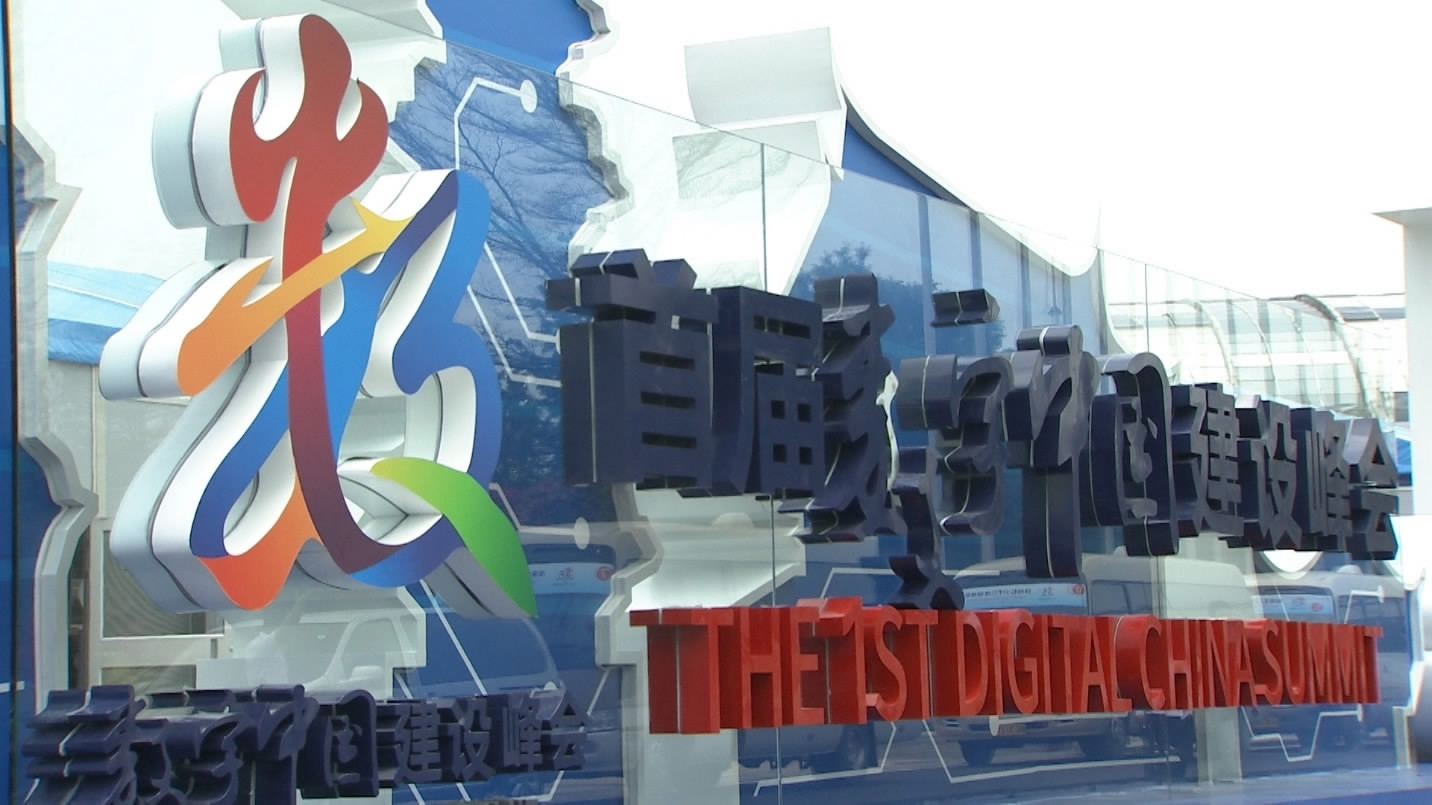
Chinese President Xi Jinping sent a congratulatory letter to the organizers of the first-ever Digital China Summit on Sunday, which is being held in the southeastern city of Fuzhou. The event is part of the country's wider efforts to advance digital technological innovation.
In his letter, President Xi called for new driving forces through informatization, to promote new development and make new achievements in China. “The summit will stimulate the enthusiasm, initiative and creativity of all sectors of society to build a digital China, as well as make informatization bring more benefits to society and the people,” Xi said.
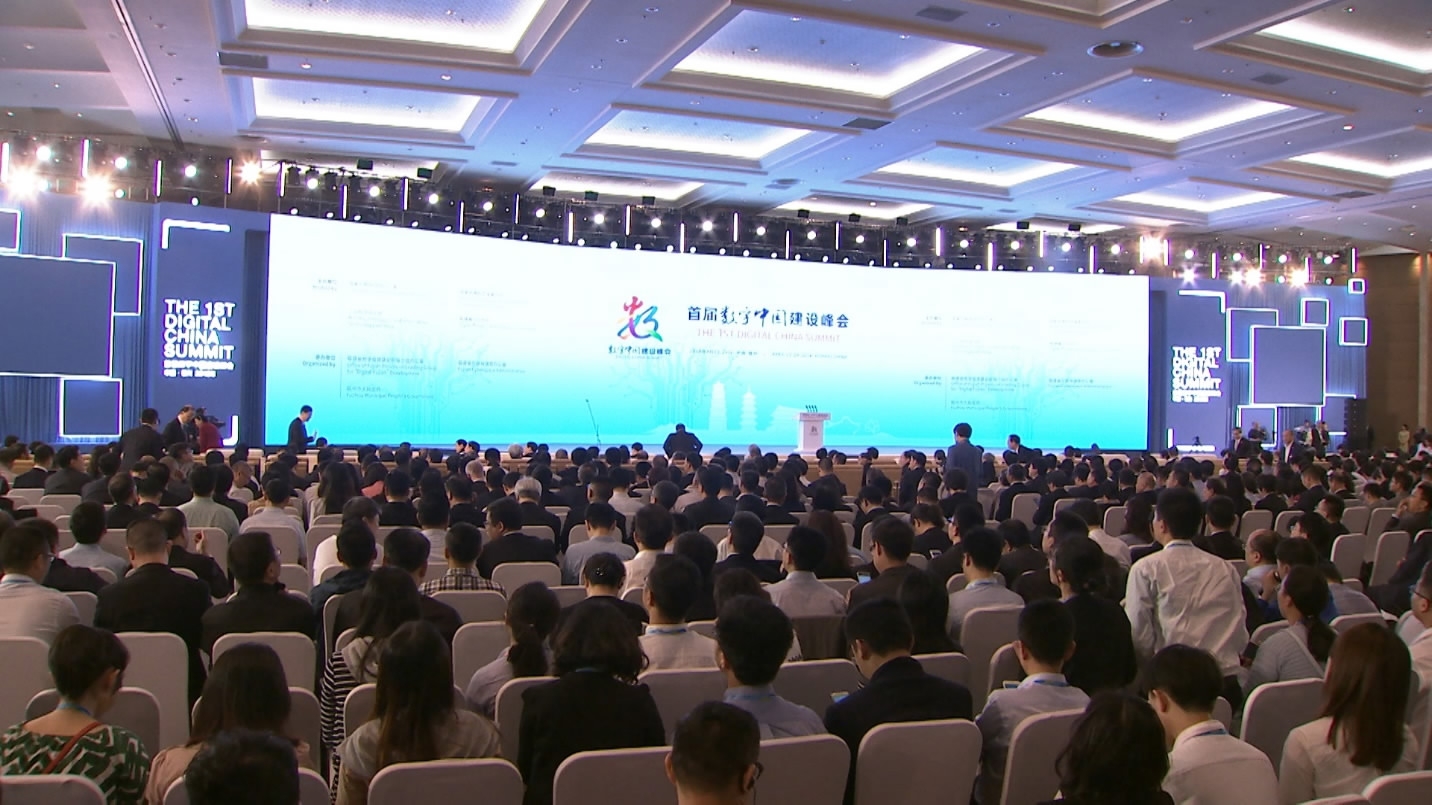
The opening ceremony of the first Digital China Summit /CGTN photo
The opening ceremony of the first Digital China Summit /CGTN photo
The three-day summit has attracted about 800 officials, representatives of industrial organizations as well as experts. Participants shared their expectations for the meeting as well as the potential of China's IT sector.
Sun Pishu, chairman of the Chinese multinational IT company, Inspur, said the event reached a new level of digital technology advancements as it closely linked various ideas regarding the country's strength in cyberspace and digital construction to daily lives.
“Innovation in IT fulfills our ever-growing need for the basic necessities of food, clothing, shelter, and transportation. It also streamlines government functions and administrative processes. And for enterprises, integration between traditional sectors and the Internet will lead to the modernization of the industry,” Sun explained.
Many at the summit believe there's a huge weight of expectation on China's IT sector to be a strong economic driver. Mu Rongjun, co-founder of Meituan-Dianping, said as an IT company they feel the heavy social and moral responsibility to combine economic and societal benefits. “We see efforts to further integrate the digital economy with the real economy.”
The summit also looks at China's blueprint to develop its cyberspace and achieve breakthroughs in core information technologies. The paper was released earlier this week at a national conference on cybersecurity and informatization.
Jack Ma, co-founder of Alibaba, is one of many who believes that large enterprises should shoulder greater responsibilities. He pointed out that the number of big companies that have core information technologies is still limited. “Big companies should compete for technology innovation in the future not just market share or investment amount.” Ma also said China needs a law on the digital economy to guide the development of Internet companies.
Guo Wei, chairman of Digital China Group also said the development of a certain industry lies in the number of technologies held in our own hands. “We should not rely on external technology sourcing, collaborations are still an option,” he said, “For example, to master data mining is essential for us when it comes to e-governance. It’s a matter of national security.”
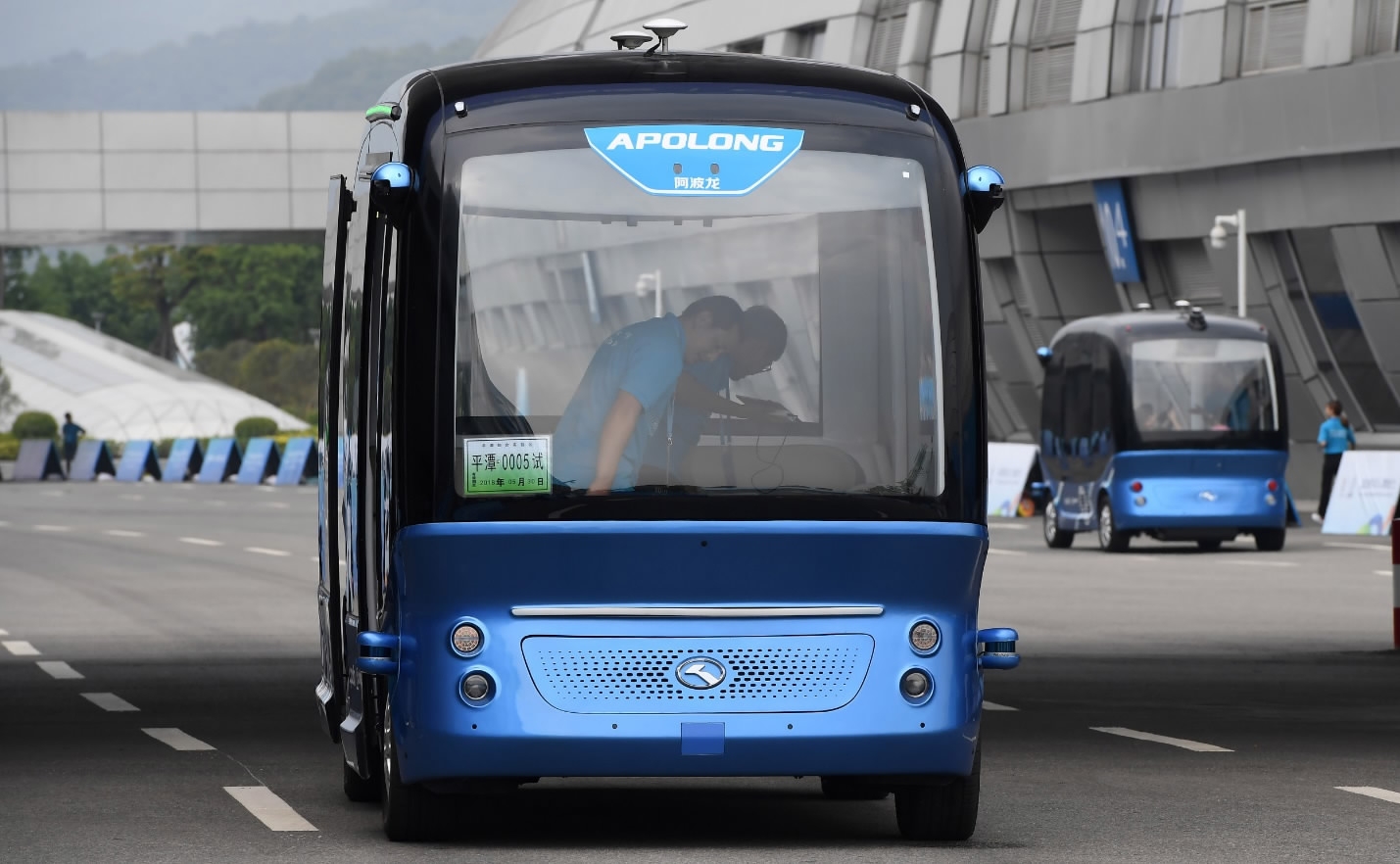
A self-driving bus is displayed at the Digital China Exhibition. /China News Service photo
A self-driving bus is displayed at the Digital China Exhibition. /China News Service photo
As a truly international event, Digital China Summit also serves as a platform for people to exchange views and experiences, by showcasing the best e-governance practices and cutting-edge products and services from all around the world.
Nyakan June, an international consultant from Kenya, told CGTN that African countries are at a point where they are looking to strengthen public governance and public services. “We are looking at ways where we can actually work together and collaborate to bring in technologies and business efficiencies in Africa,” she said.
Topics related to e-governance, digital economy, smart cities, the Digital Maritime Silk Road and the Internet-of-Things will be analyzed over the coming days. It's hoped the discussions can promote more cooperation opportunities for a host of businesses and institutes both at home and abroad.
1569km