
Business
23:19, 04-May-2018
Debunking China Myths: Will China’s foreign trade overcome the winds and waves?
 ["china"]
Share







Copied
03:27
China has become a trade powerhouse after 40 years of opening up and 17 years as part of the World Trade Organization (WTO). With that has come challenges, like the recent tensions with the United States.
Is reciprocity in trade possible?
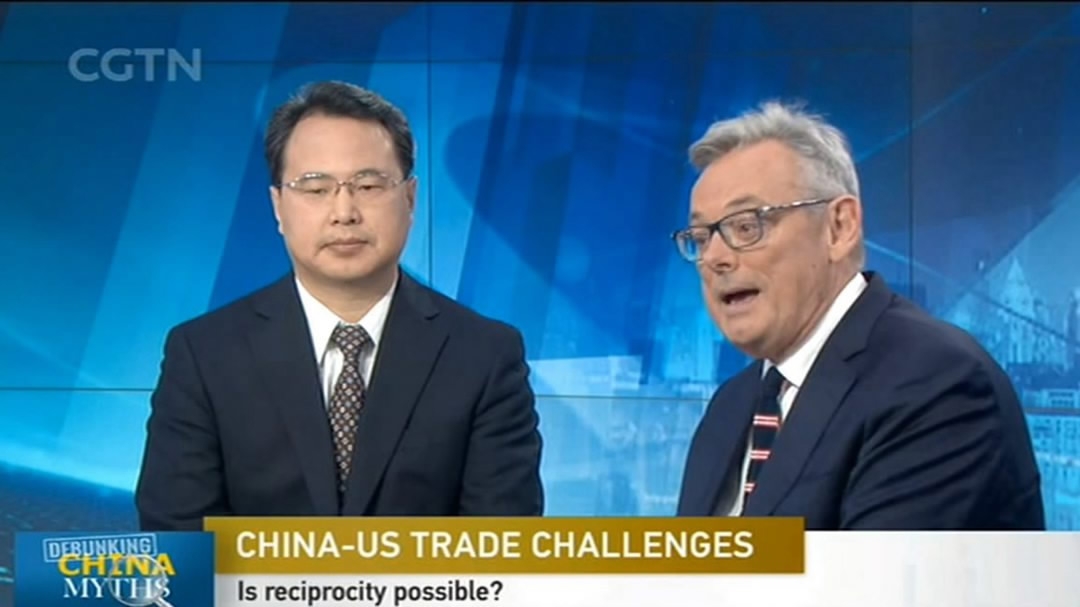
Reciprocity is a significant principle that the US applies to trade, however, a “real absolute reciprocity” in trade cannot be achieved, said Geoff Raby, former Australian ambassador to China.
The two countries have different goals and understandings, in terms of economic development and bilateral trade.
CGTN Photo
CGTN Photo
China is transitioning from high-speed growth to high-quality growth, while its role in the global supply chain “hasn’t been updated to reflect that new reality,” said Wang Yong, professor of School of International Studies at Peking University. He also said that as China aims to upgrade its manufacturing and develop its technology industry, having a guideline like “Made in China 2025” is understandable.
While China interpreted reciprocal as being mutually beneficial or a win-win, the US asked more for fair and one-for-one exchange. Meanwhile, due to concerns of national security and keeping the country’s competitiveness, the US has been restricting its exports of technology products and experts to China.
The US talks about reciprocity all the time, however, bilateral trade is not a “one-for-one” deal, Raby said. Instead, the trade relationship should be negotiated and balanced through a range of packages across other areas.
“At this moment, we still have a lot of uncertainties, given the differences in the gap between the goals of the two countries and the influences of the domestic politics,” Wang said.
05:11
Is letting China enter the WTO a mistake?
“That is crazy. It’s the silliest comment I’ve heard from any serious leader,” Raby said, stressing that “China did a very good accession. It is the best accession by any developing country in the history of WTO.”
United States Trade Representative (USTR) released a report earlier this year declaring that China's entry to the WTO was a mistake. But in the past 17 years, China has benefited the world economy.
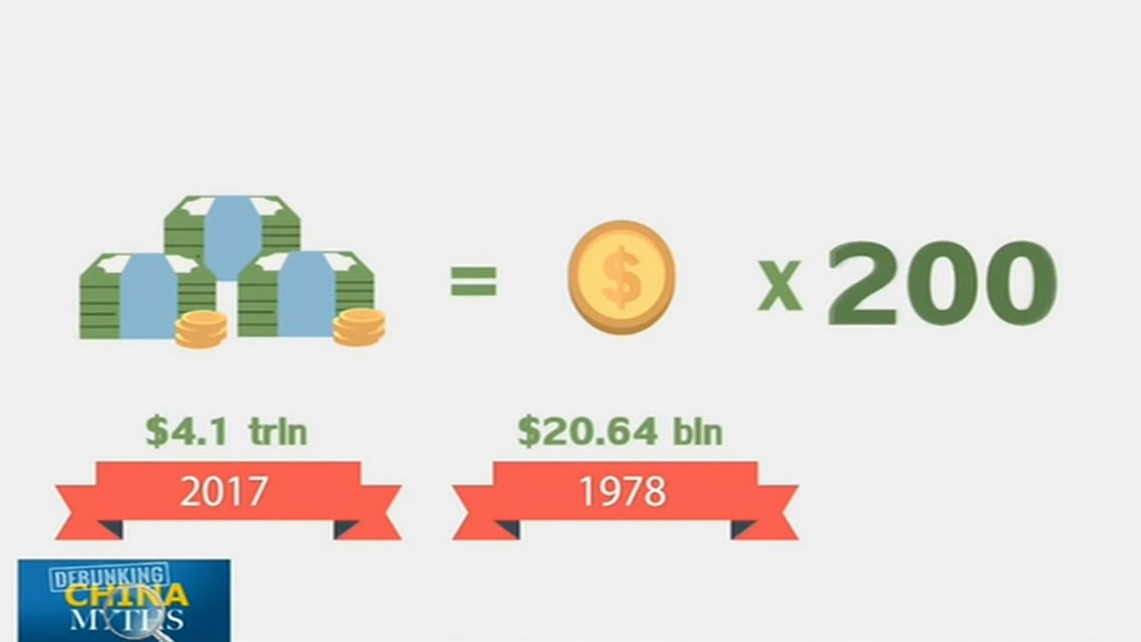
The country has become the number one trading partner to over 120 countries and regions since it joined the WTO in 2001, adding millions of jobs around the world. Meanwhile, WTO data shows that the country purchased an additional 580 billion US dollars worth of goods overseas in the past decade. That accounted for nearly 20 percent of the world's total import increase since the 2008 financial crisis.
01:00
Where will China’s foreign trade go?
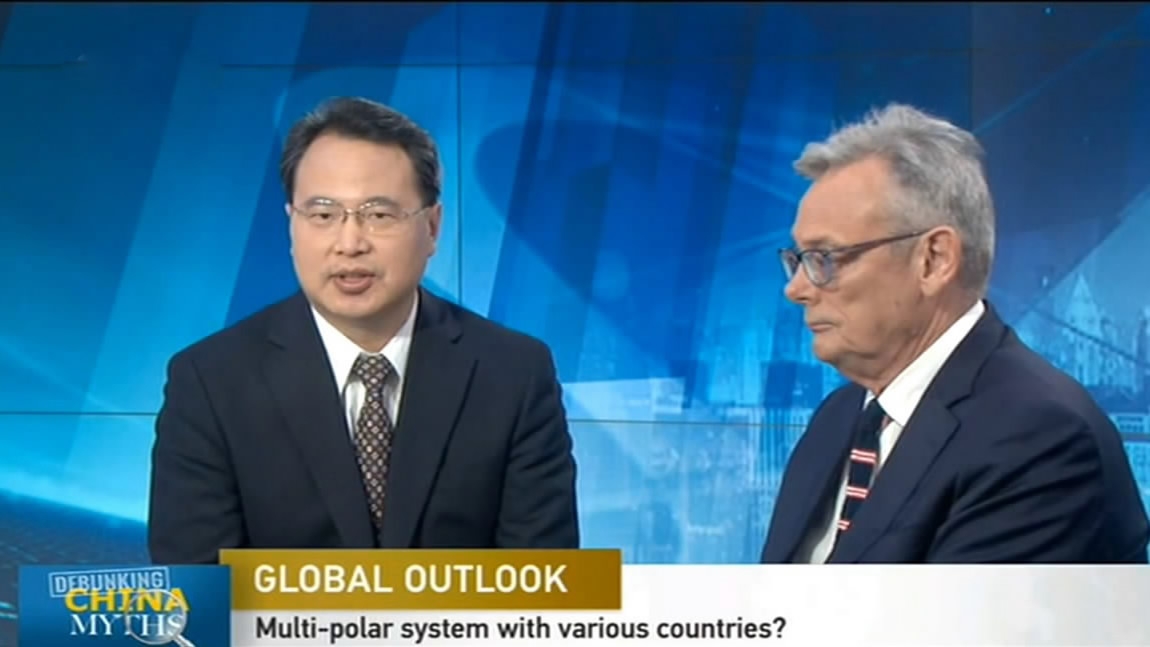
The future of international trade will be based on a multi-polar system with various countries. In that case, China needs to do more Free Trade Agreements (FTA) and continue to push the multilateral process of WTO for liberalization.
The US has been in the number one position for a long time, and China is catching up, Wang said. “Even after 2025, China becomes the largest economy in terms of GDP, the country still needs to develop itself. With a large economy amount and growing consumer power, China’s market will be more open. [The country] will import more, attracting more investments,” said Wang.
In terms of technology, experts shared similar concerns that the US would impose more restrictions on technology products and experts in the future. Raby added that China could find its own way to develop technology, even if it faced restrictions from the US.
03:47
Despite that concern, Wang was positive on the China-US trade relationship, saying that “China and the US are good partners by nature. They can do lots of things together.”