
Culture
22:31, 05-Jul-2018
Buddhist culture: Philosophy pivotal to Thailand's resilience
Updated
22:19, 08-Jul-2018
 ["china"]
Share







Copied
02:36
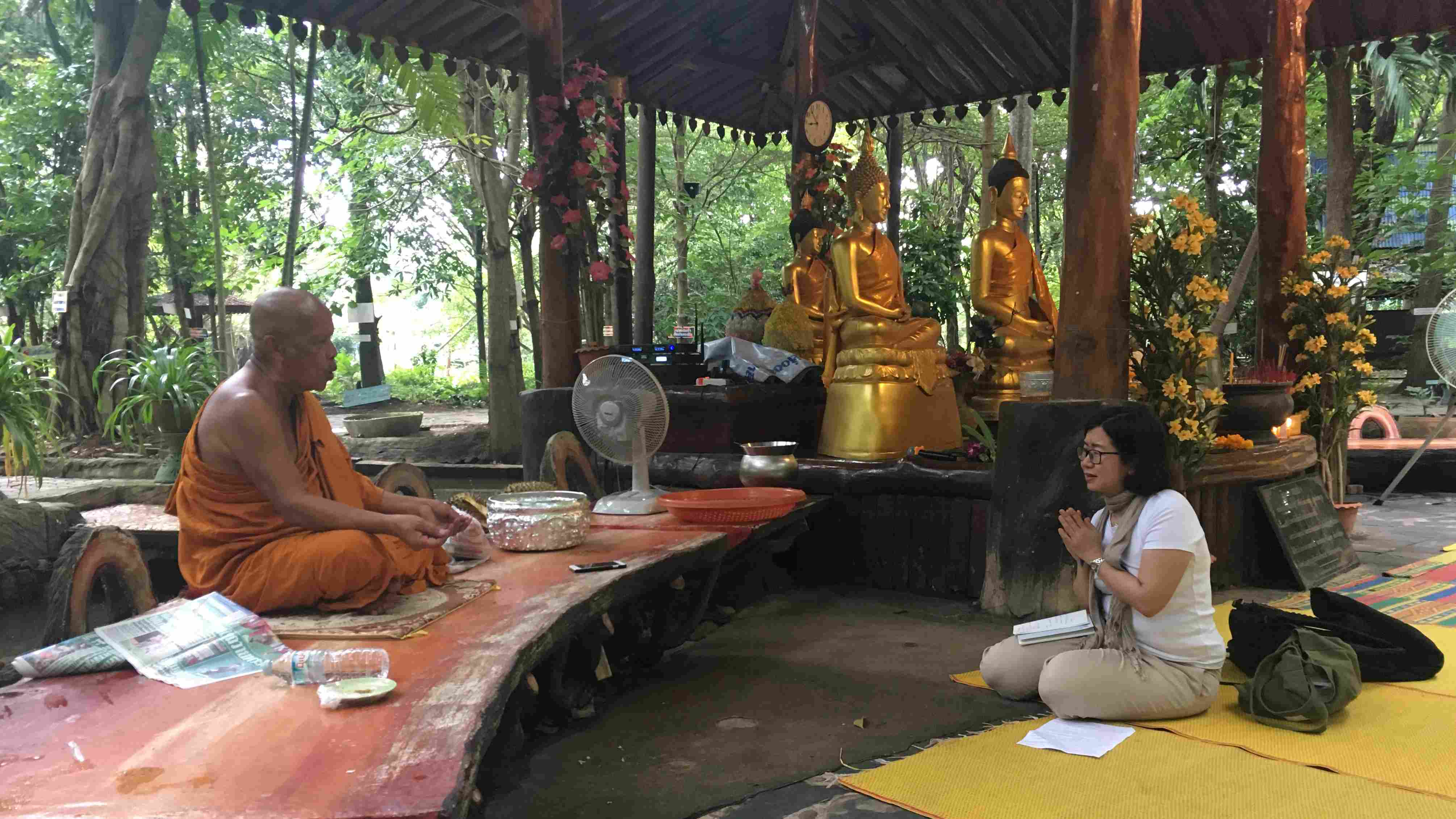
Buddhism is one of the world’s ancient religions – but in Thailand, its teachings and values have kept their relevance to modern life. Principles such as hard work, moderation, and the common good have given the country strength in good and bad times.
Thailand is often described as the country with the highest proportion of Buddhists – with almost 95 percent of the population said to follow Buddha’s teachings.
University student Pornwatchara Yueakngern, 21, is about to interrupt his studies to spend a month as a monk.
It’s a tradition that’s followed by almost all Thai men – to live at a temple for between two weeks and a year and learn Buddhist principles. It brings credit to the family, is seen as an indication of suitability for marriage and is a requirement for some positions in public life.
It is also said to provide clarity in times of strife.
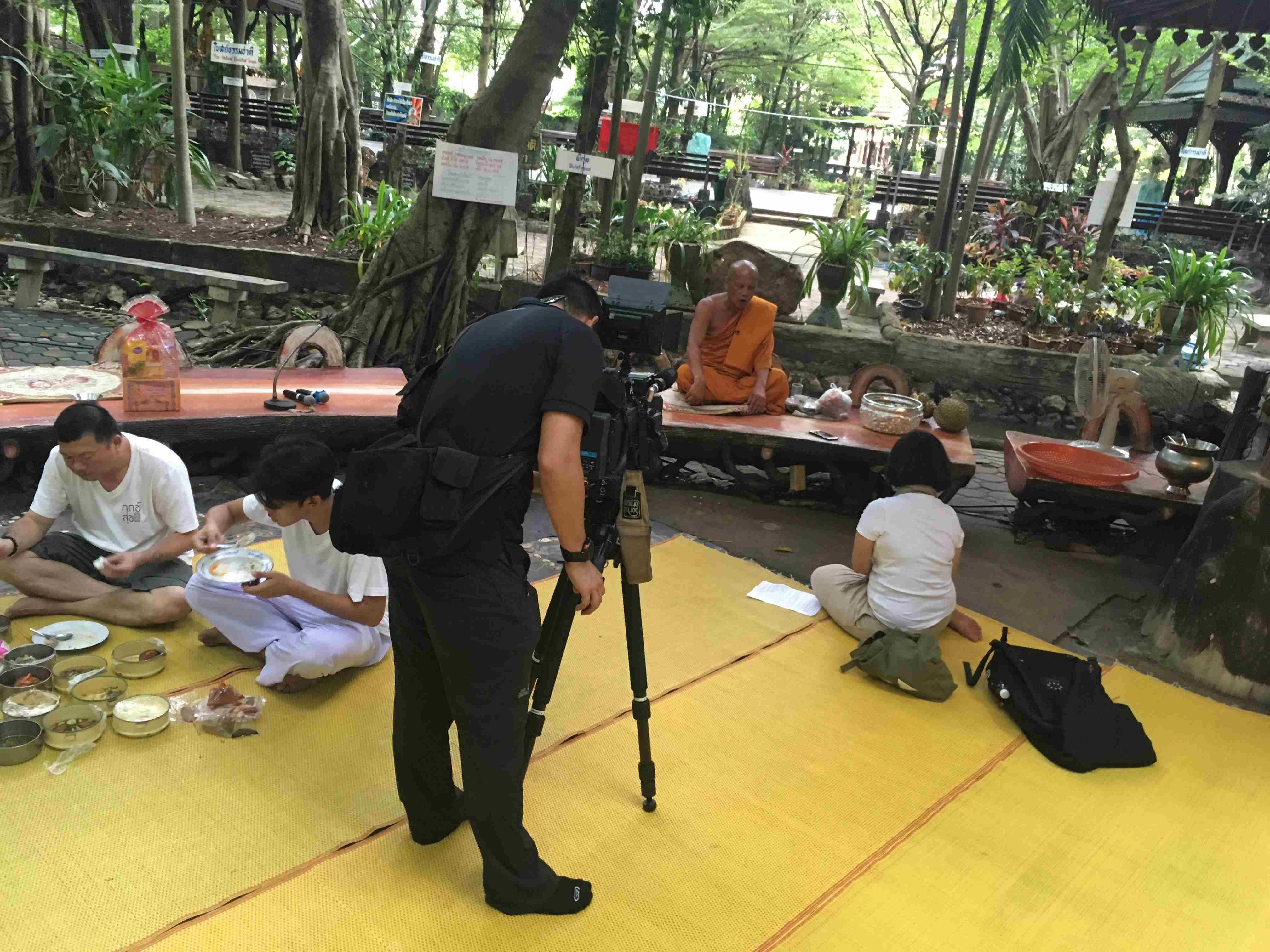
CGTN Photo
CGTN Photo
“At times I have faced difficulties, and I couldn’t see an answer,” said Pornwatchara.
“I feel if I become a monk and follow the teachings of Buddha it may help me to understand things in a better way.”
Like most countries, Thailand has had its upheavals. The 1997 Asian financial crisis had its roots there, followed by more than a decade of political protests ended by a military coup. In 2016, the nation grieved at the death of a much-loved monarch who’d reigned for seven decades.
Many see Thailand’s Buddhist values as pivotal to its resilience.
“Buddhism teaches us to stay composed,” said Phra Phayom Kalyano, abbot of Suan Kaew Temple, just outside Bangkok.
“In life, sometimes you will win and sometimes you will lose. If your soul is well-trained, when you win you will be modest and when you lose you won’t get too upset. You will be able to deal with any situation,” he said.
Thailand’s late king Bhumipol Adulyadej promoted the practice of self-sufficiency, which is in line with Buddhist teachings of modesty and thrift, and many also point to Buddhism’s philosophy of calmness in the face of adversity as giving Thais the ability to ride out troubles and hard times.
Buddhism shares many beliefs with Chinese Confucianism, such as collective well-being rather than individual advancement, and “filial piety” which is respect for elders.
They are qualities that have consistently helped the country weather economic downturns and political uncertainty, so much so that it’s often referred to as "Teflon Thailand" – a place where the bad times never seem to stick for too long.
(Cover image from CGTN)