
Business
18:07, 10-Aug-2018
Japan sticks to multilateral framework in trade talks with US
Updated
17:39, 13-Aug-2018
 ["north america"]
Share







Copied
05:28

Top economic US and Japanese officials are continuing their trade talks in Washington after they wrapped up their first day of meetings without reaching any detailed results. Japan has so far appeared to hold out for a multilateral trade approach.
Outcomes of Thursday's meeting
“I think we had good discussions and I'm not pessimistic in any way,” said Japan's economy minister Toshimitsu Motegi after the first day of talks with US Trade Representative Robert Lighthizer on Thursday.
The Thursday meeting was the first bilateral trade talk since the leaders of the two countries agreed to set up a "free, fair and reciprocal" framework in April. Motegi said both countries wanted to achieve results quickly.
“Ambassador Lighthizer and Minister Motegi had a thorough and constructive exchange of views on all bilateral trade issues,” Lighthizer’s office said. “They understand each other’s conditions for further discussions and plan to move forward with additional talks.”
Conditions for further talks
Japan and the US have different conditions for further talks, as Japan is seeking concessions from the US on the threatened auto tariffs, while the US wants Japan to open its auto and agricultural markets in a bilateral free-trade agreement (FTA).
Japan seems to be holding out for a multilateral framework that includes the Trans-Pacific Partnership (TPP) that will take effect in early 2019. On the other hand, President Donald Trump called the TPP a bad deal and pulled the US out of it.
Political angles in trade talks
Both leaders appear unable to back down on the issue of trade.
There are mid-term elections in the US in November and Trump has promised to be very tough and aggressive on trade, which will play out in these negotiations.
Japanese Prime Minister Shinzo Abe is also facing a party leadership election in September, as well as an Upper House election next year. So it is very hard for Abe to take a step back either, as concessions could hurt his support at home.
“Japanese farmers have been supporters of the Liberal Democratic Party for many years, that’s why the Liberal Democratic Party was the first political party in Japan and has been in power for many years. If the Japanese government decides to open its agricultural market, it [will find it] is much less competitive and efficient than American agricultural products,” explained Ding Yifan, a senior fellow at the Development Research Center of the State Council.
06:02
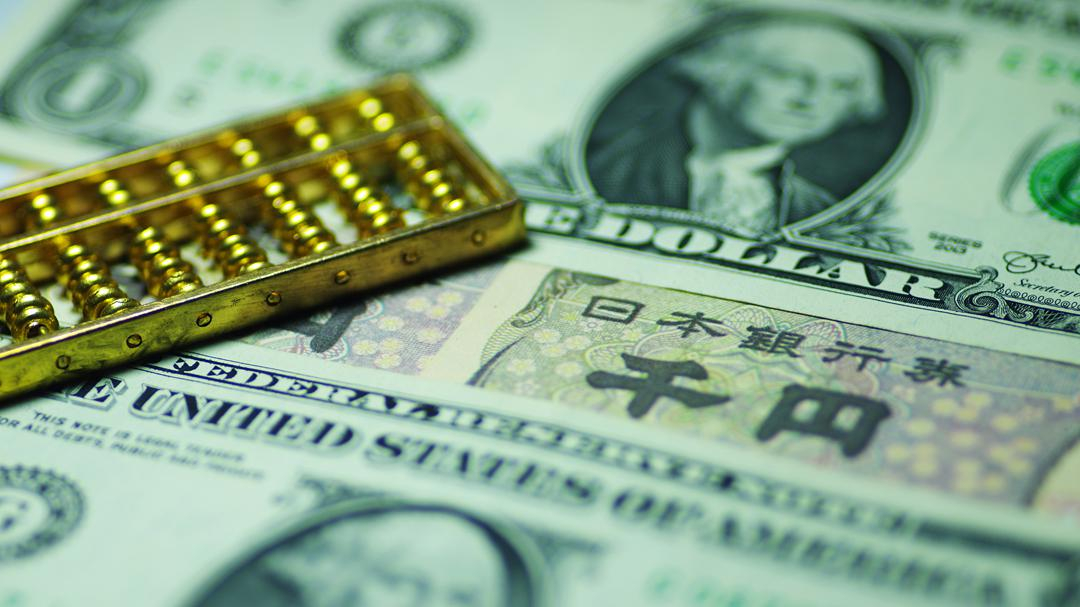
Japan's response to new talks
Japanese farmers worry that they might lose competitiveness and US crops would squeeze their domestic market. Japanese car makers will also suffer over two trillion yen (18.1 billion US dollars) per year from the rising US auto tariffs.
Japan's agricultural sector worries that the US will demand much greater concessions from Japan - more than what's asked from the TPP - and Japanese businesses worry how much pressure the US will put on the possible bilateral FTA.
Japan-US trade war in the 1980s
Japan and the US engaged in a trade war in the 1980s, when Japan made concessions on every front and created huge financial bubbles, leading to a long economic recession, according to Ding.
The 1985 Plaza Accord, where Japan agreed to depreciate the US dollar against the Japanese yen to reduce the US trade deficit in current account, made Japan’s economy sluggish for at least two decades.
“So this time, Japan wanted to eradicate this situation. Japan wanted to find a compromise with the Trump administration… I think in the end, they [Japan] will realize…there is no chance of reaching some sort of compromise,” said Ding.