
Tech & Sci
20:20, 26-Apr-2018
US export ban on ZTE pushes China to ramp up chip development
 ["china"]
Share







Copied
03:07
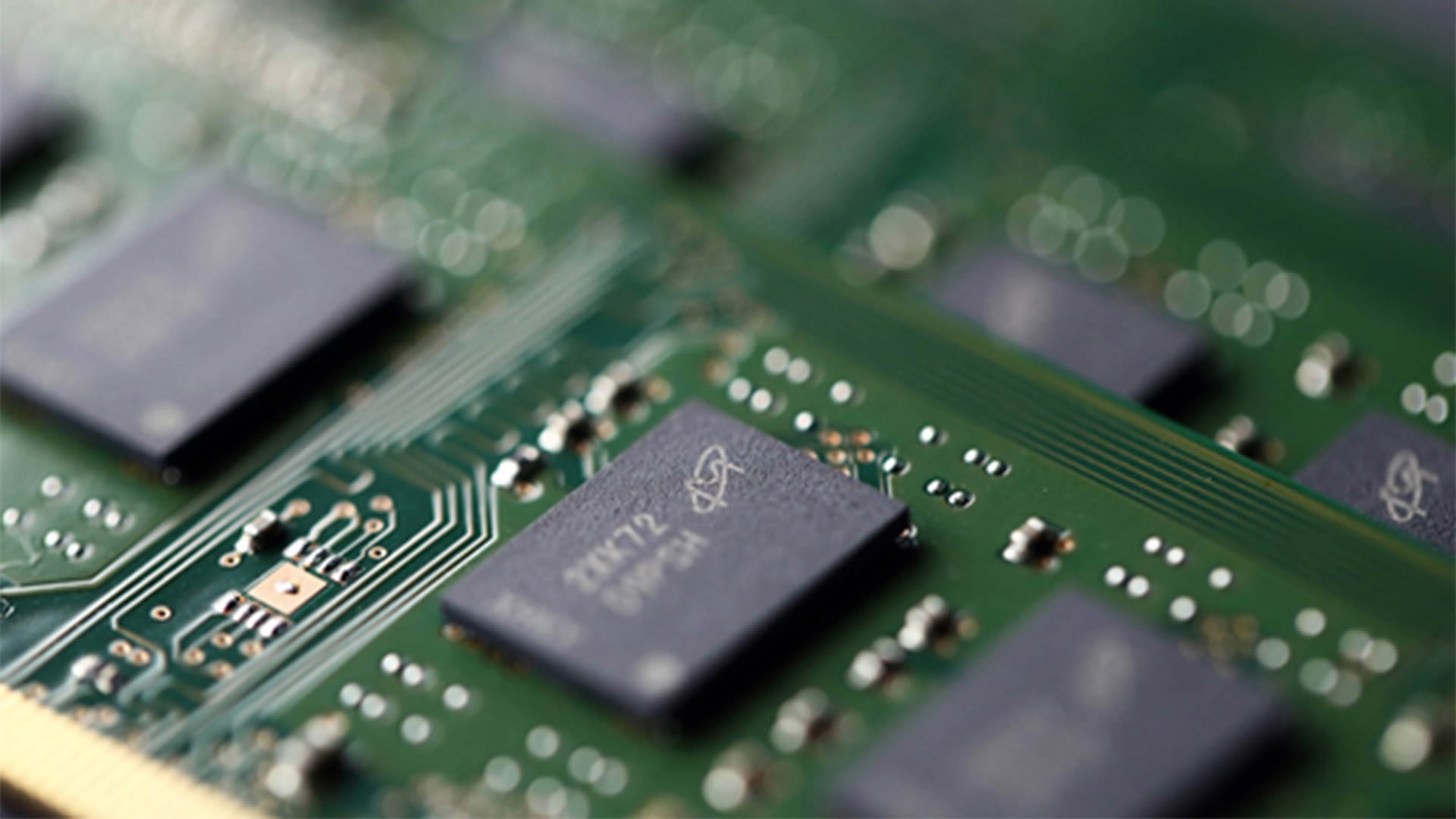
China’s IT sector is facing challenges amid the recent trade tensions between Beijing and Washington that led to the US export ban on Chinese telecom giant ZTE.
The restrictions put the firm in “a state of shock”, and underlined China’s reliance on imported chips.
Experts said the US's action aims to hinder China's telecom development and may serve as a wakeup call for the country to boost its semiconductor industry. In fact, China has tried to be self-reliant.
The country’s "Made in China 2025" strategy has already made chip manufacturing a pivotal priority to cut the long-lasting reliance on foreign technologies and create its domestic champions.
China also established its Integrated Circuit Fund in 2014, raising 120 billion yuan (about 19 billion US dollars) in the hope of boosting chip-making. For the fund's second stage, the country aims to raise about 32 billion dollars to build its semiconductor industry.
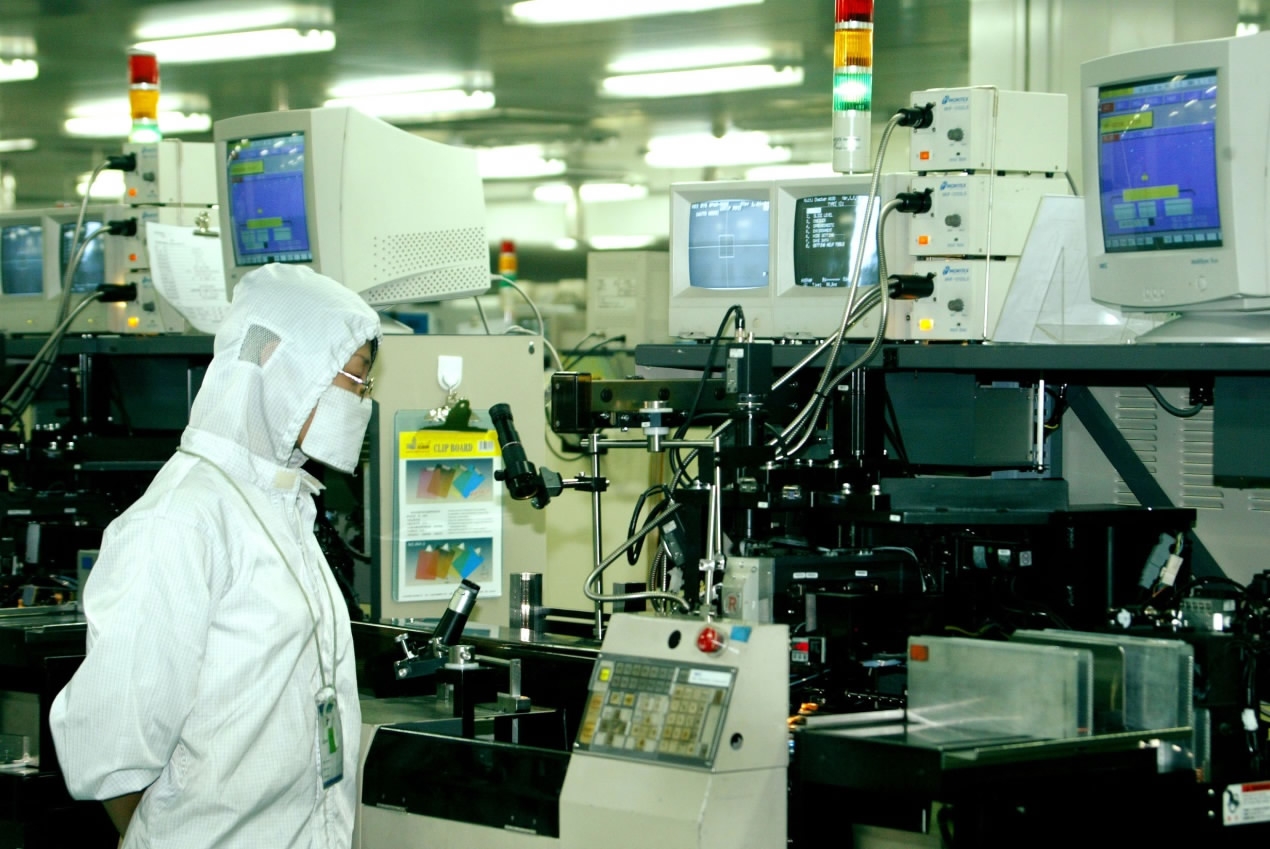
Chinese integrated circuit manufacturer /VCG Photo
Chinese integrated circuit manufacturer /VCG Photo
China’s Tsinghua Unigroup has developed the country's first 32-layer 3D NAND chip, protected by its own intellectual property rights. It is said to be the fourth company in the world that can design this chip, which has raised China’s market share from zero. Their R&D group made up of 1,000 people has spent one billion US dollars and over two years with the aim to catch up with US and Korean chip-making giants in the field. The firm is striving to start mass production.
“For the integrated circuit, it's not just a matter of whether or not we can make it, but when. It requires high efficiency to seize opportunities and market direction. And our old research system could not adapt to the fierce competition in this industry,” said Dr. Gao Teng, head of Fuzhou Internet of Things Open Lab.
"We actually have many patents in the field, and we indeed have accumulated much experience in the field. But for all the core technologies, we need tons of time and experience,” explained Liu Chunsheng, associate professor at Central University of Finance and Economics in Beijing.
He also said that in the US, Chinese scientists and students have very limited access to those core technologies.
The domestic innovation of chips and other semiconductor technologies also require a well-developed industrial chain, which includes advanced technologies at every stage of the production process.
Gao Teng said he believes in the strategy of component outsourcing and cooperative technical development adopted by ASML, a world-leading manufacturer of the chip-making equipment. He indicated that it was global cooperation that gave birth to cutting-edge products.
“We are lagging behind, and it’s hard to compete on our own,” he added.
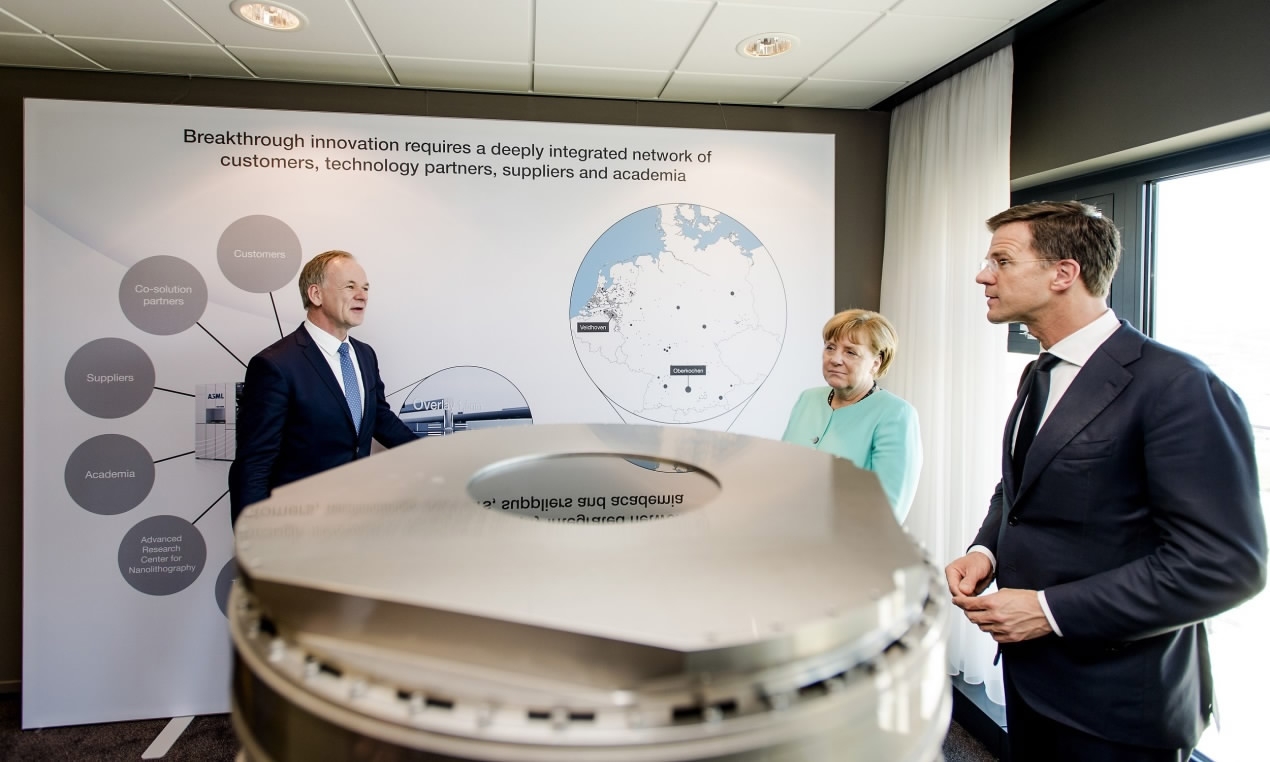
German Chancellor Angela Merkel and Dutch Prime Minister Mark Rutte visited the chip equipment manufacturer ASML in 2016 as part of a government consultation between the two countries. /VCG Photo
German Chancellor Angela Merkel and Dutch Prime Minister Mark Rutte visited the chip equipment manufacturer ASML in 2016 as part of a government consultation between the two countries. /VCG Photo
Chen Yin, chief engineer of China’s Ministry of Industry and Information Technology, welcomed foreign enterprises to join in. Chen said China has a huge market for electronic products and the country sticks to the principles of innovation, cooperation and openness.
Given the unpredictable and unstable global environment, some pointed out transnational cooperation does not mean being reliant on foreign technologies. Chinese business moguls and thought leaders have actively responded to the central government’s call on achieving more breakthroughs in core Internet technology to create a more independent tech sector.
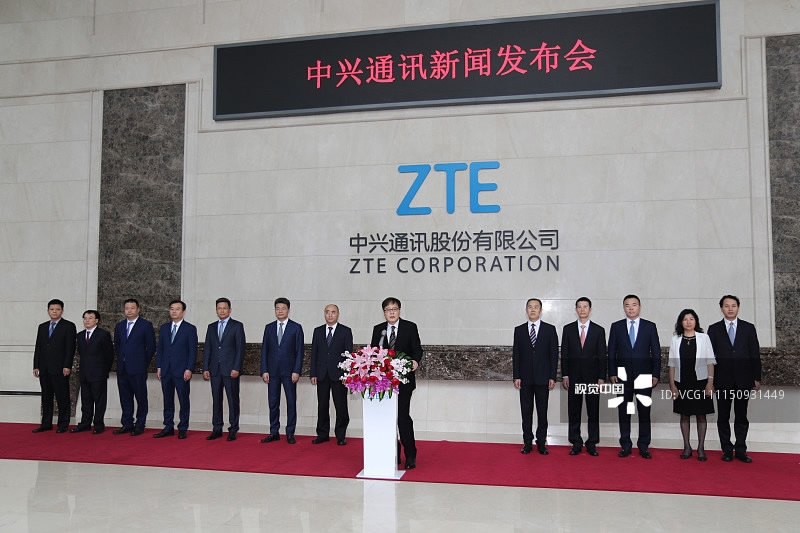
ZTE held a press conference in its Shenzhen headquarters after the US imposed a ban on the sale of American mobile phone parts and software to the company. /VCG Photo
ZTE held a press conference in its Shenzhen headquarters after the US imposed a ban on the sale of American mobile phone parts and software to the company. /VCG Photo
Yin Yimin, chairman of ZTE Corporation earlier announced that they were strongly against the unfair and unreasonable decision by the US Commerce Department but meantime they were self-examining and determined to step up investments in their research on the semiconductor industry.
“It's never good to rely on others than ourselves," he added.
Tencent founder and CEO Pony Ma spoke at the Digital China Summit days ago, saying that Chinese enterprises need to make breakthroughs in core technology and it is becoming more urgent.
He stated that an equal dialogue with international giants is only possible if Chinese technology is strong.
As the country is looking to accelerate plans to develop its domestic semiconductor market, it also targets at other high-tech areas. Years ago, the shortage of domestically developed screens and chips were a major weakness of China’s IT industry, but Chinese screen manufacturers now rank among its peers.
The pioneers like BOE Technology Group said they have been keeping ahead of the times, developing 8K displays before 5G streaming became the trend. The same rules should be applied to chip manufacturing.
Wang Xi, an academician at the Chinese Academy of Sciences, said automobiles and smartphones had led to the development of transducers and chips. In the next decade or two, the Internet of things would also have huge importance.

Made in China flexible displays /VCG Photo
Made in China flexible displays /VCG Photo
Experts said that the US move to ban mobile components to ZTE, and maybe some other companies in the future, aims to hinder China's technology ambitions. While this may be a wakeup call for China to boost its semiconductor development, it needs time and investment. Though replacing foreign-made chips with domestic ones can hardly be achieved overnight, China should move steadily towards its goal of becoming a sophisticated manufacturing country.