
Business
14:09, 16-May-2018
US can slap EU's Airbus with $22bln tariffs after landmark WTO ruling
 ["north america","europe"]
Share







Copied
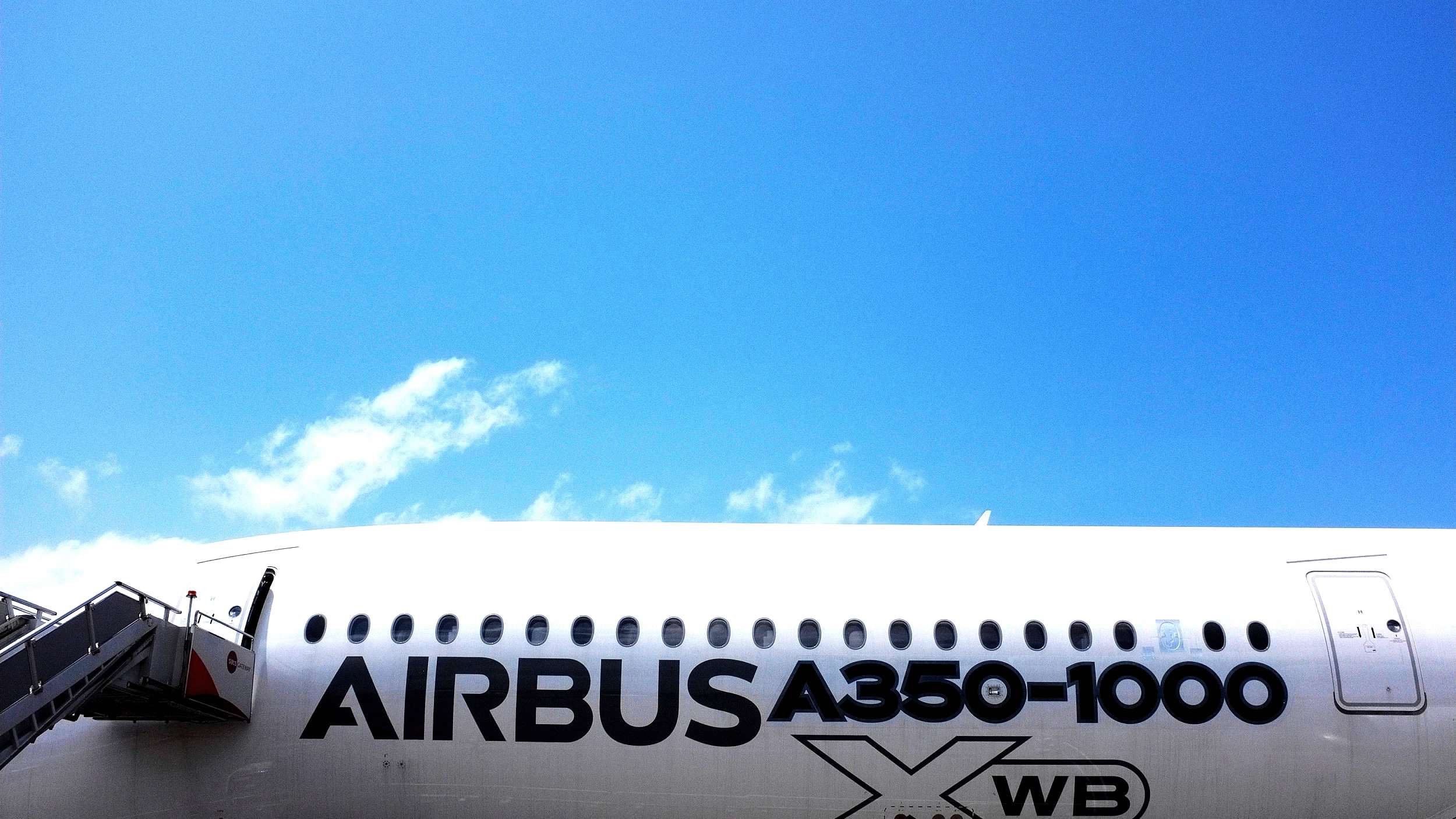
The European Union has failed to remove its illegal subsidies for Airbus, the
World Trade Organization said Tuesday, in a major victory for the United States
and its national aviation giant, Boeing.
The decision by the appellate division
of the WTO's Dispute Settlement Body is not subject to appeal and clears the way
for the US to seek billions of dollars in retaliatory tariffs against European
exports.
The decision marks a milestone in a case that has dragged on for more
than a decade. Boeing said the victory secured on its behalf by the US trade
office could see the EU slapped with "the largest-ever WTO authorisation of
retaliatory tariffs".
In a statement, the Chicago-based firm said those tariffs
could amount to 22 billion US dollars (18.6 billion euros), equivalent to the amount in
illegal subsidies that Airbus has received from the EU, according to Boeing's
tally.
"Today's final ruling sends a clear message: disregard for the rules and
illegal subsidies are not tolerated," Boeing said.
The office of the United
States Trade Representative (USTR), which represents Washington at the WTO,
called the decision "an important victory" for President Donald Trump's
administration.
Counter claims
But, as always in the epic legal battle
between the aviation industry's two main powerhouses, the situation is not quite
so clear-cut.
First, the US must ask the WTO to approve specific retaliations
against EU products. Brussels will be able to challenge that decision. The EU
also sought to portray itself as a victor of sorts following Tuesday's ruling --
another standard move in the Airbus-Boeing legal showdown.
EU Trade Commissioner
Cecilia Malmstrom pointed out that the ruling dismissed several US claims
regarding the damage suffered by Boeing, noting this could impact the level of
retaliation approved by the WTO. But Malmstrom conceded that the ruling had put
the onus on the bloc to change its practices in regards to Airbus.
"The EU will
now take swift action to bring itself into line with WTO rules as regards its
remaining obligations," she said in a statement.
The original dispute dates to
2004, when the US argued that the support offered to Airbus by the EU as well as
the governments of Britain, France, Germany and Spain breached WTO rules.
In
2011, the WTO ordered Brussels and those countries to withdraw certain support
and subsidy programmes. The EU appealed against that decision in 2016, but was
handed a definitive defeat on Tuesday.
What's next?
Beyond wrangling over
the level of retaliation, Brussels also noted that it was looking forward to a
WTO decision in its own case against the US and Boeing.
Malmstrom claimed public
financial support for Boeing in the US is "massive and persistent."
Brussels has
won a series of victories as its case has worked its way through the WTO's
protracted dispute system.
Trump's posture towards the 164-member WTO also
overshadows the latest legal developments.
The USTR, in its latest trade
guidance to Congress, has suggested that Washington has the right to ignore any
WTO rulings that violate American interests.
The US has also blocked the
appointment of new judges to the DSB's appellate division, a strategy that could
effectively force the WTO court to shut down by the end of next year.
Yet, even
as Trump's administration has levelled a range of attacks against the WTO court,
it has continued to file cases, including against China over alleged
intellectual property theft.
"President Trump has been clear that we will use
every available tool to ensure free and fair trade benefits American workers,"
Ambassador Robert Lighthizer, who heads Trump's trade office, said in Tuesday's
statement.
Source(s): AFP