
Culture
07:28, 30-Jun-2018
Artist portrays lives of China's coal miners with ancient ink craft
Updated
07:24, 03-Jul-2018
 ["china"]
Share







Copied
02:55
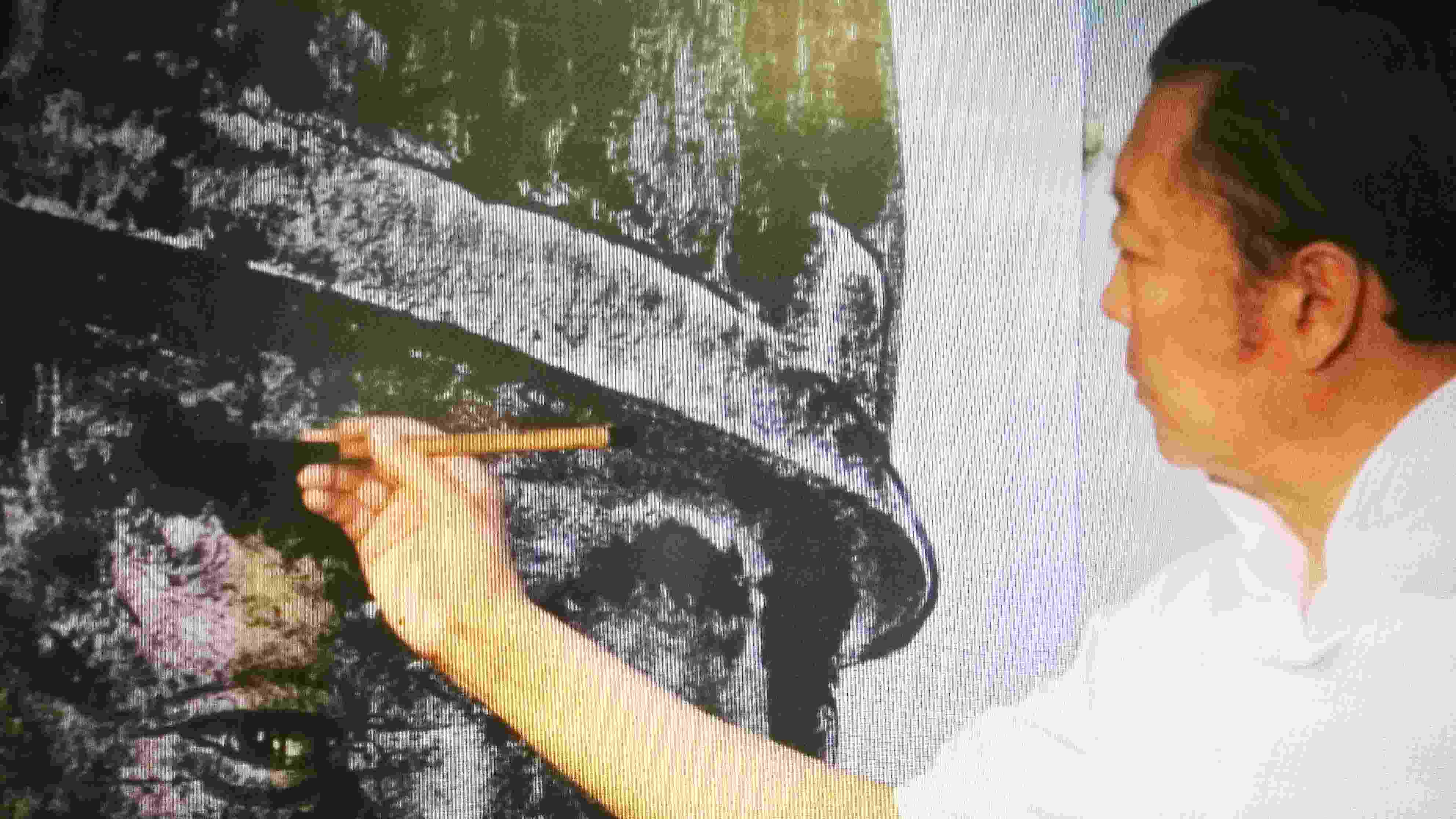
Dry ink painting is a technique that first emerged in China 5,000 years ago. It's been found on murals and pottery from the Sui and Tang dynasties (581-907). Now artist Lin Lanzi uses the technique to depict modern miners in the series "Song to Miners." Sharp contrasts reflected in the miners epitomize the lives of tens of thousands in modern China's floating population.
The strokes used in dry-ink painting are thick and rich, giving a rough, hard feeling to the painting. Lin chose to use this technique to portray a group of people in his heart-coal miners.
Lin’s personal experience left him with an intimate connection with coal miners.
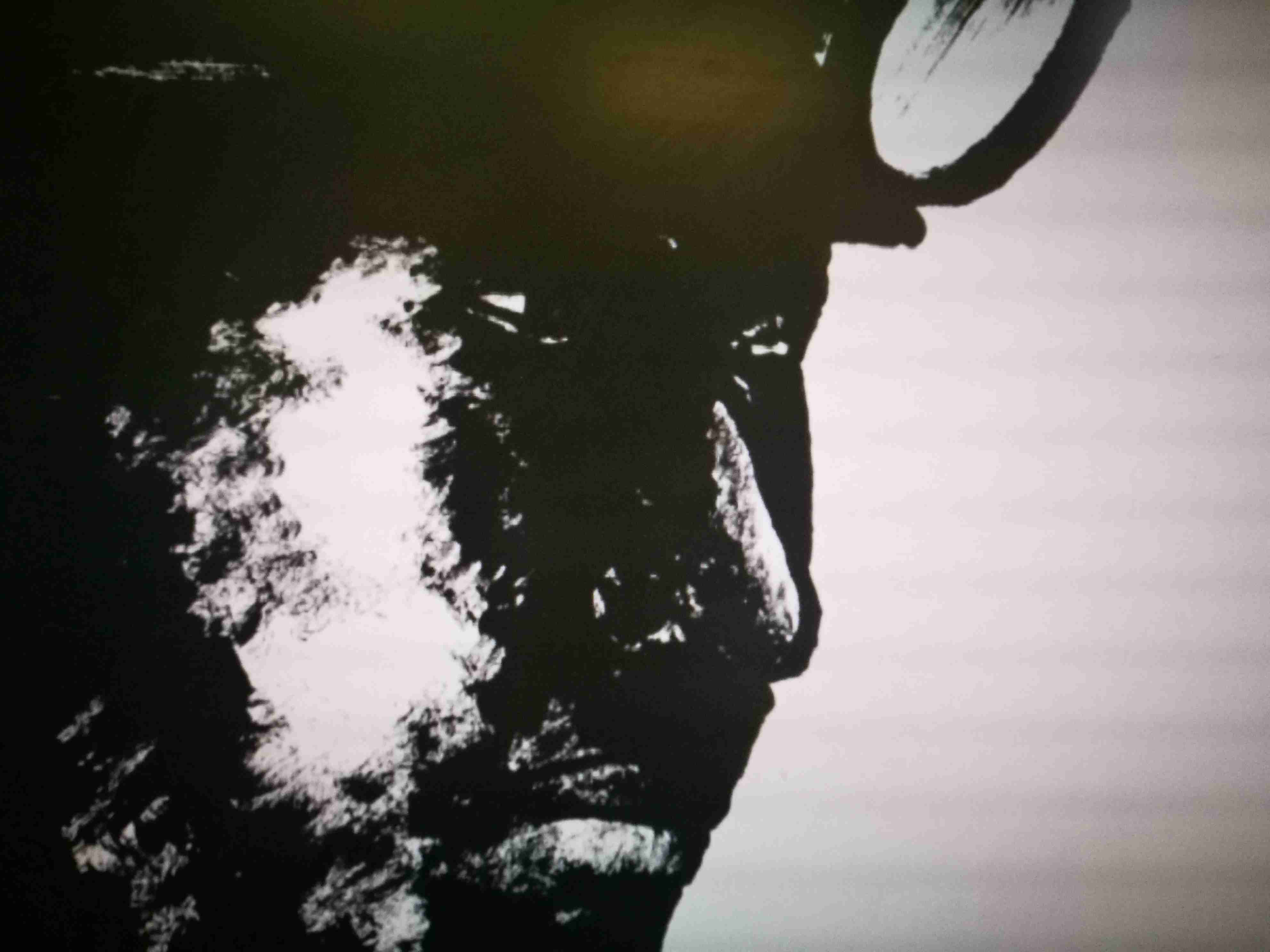
A painting by Lin Lanzi. /CGTN Photo
A painting by Lin Lanzi. /CGTN Photo
"I used to be in an engineering corps. My job was to blast mountains and dig tunnels, which is very similar to the work of coal miners," said Lin.
He uses his brush to truthfully and accurately present the miners’ features. The thick ink that molded the miners’ faces highlighted their white teeth. This speck of white preserved some of their personal qualities behind their collective identities as miners. By using dry-ink painting, the labor-worn faces have been depicted vividly.
"It really shocked me when meeting with the miners. Soot-covered faces were part of their identity. Their white teeth were visible only when they smiled, which did impress me. Operations are dangerous. There's a risk of gas explosions or floods. The reason for their choice? To make money. To offer a better living to their children. This is what touched me," he added.
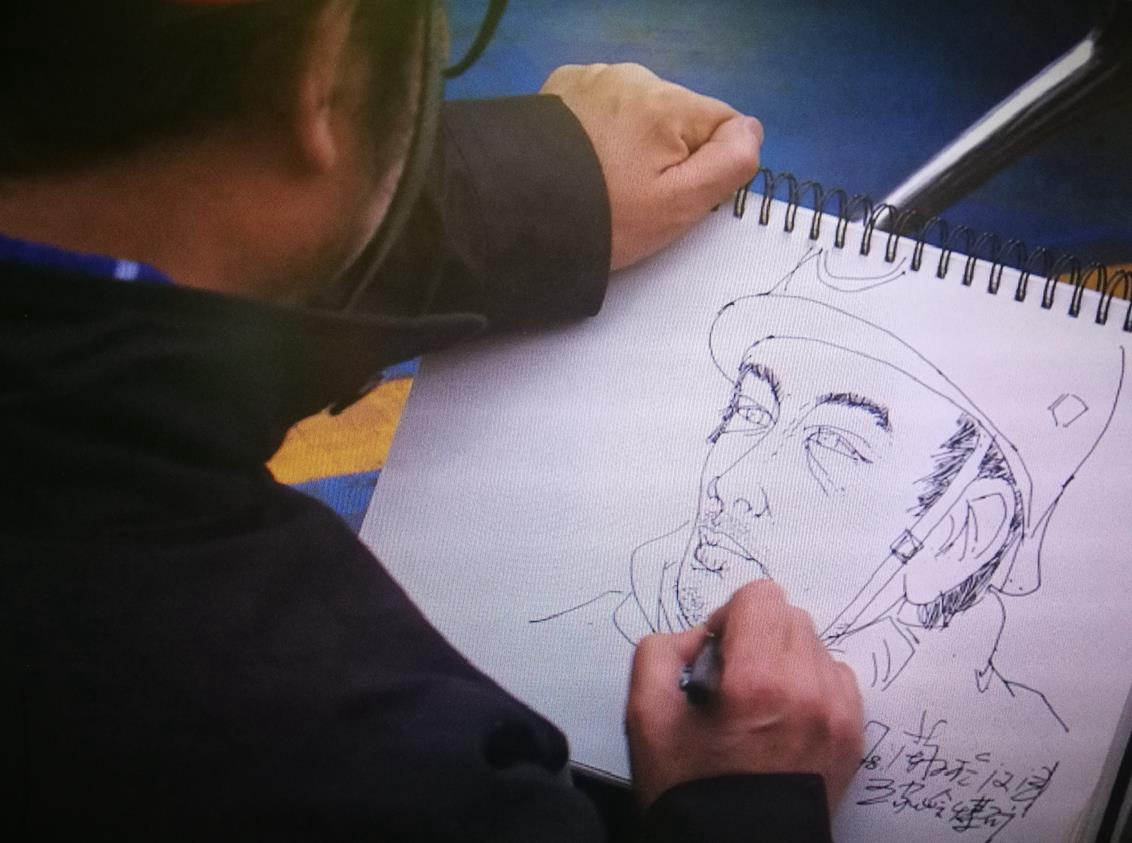
Lin Lanzi at work. /CGTN Photo
Lin Lanzi at work. /CGTN Photo
Lin was deeply moved by their simple wish, "Working in the hell of darkness to bring light to others."
Slowly, Lin befriended the miners. They became less timid and shy before him, allowing him to capture their most relaxed and natural moments.
Miners today lead different lives from those just two decades ago. Aside from better working conditions, there has been a shift in the workers’ age group. Most miners today are young adults who play basketball or enjoy other activities after work. These young and lively faces have also appeared in Lin’s pieces.
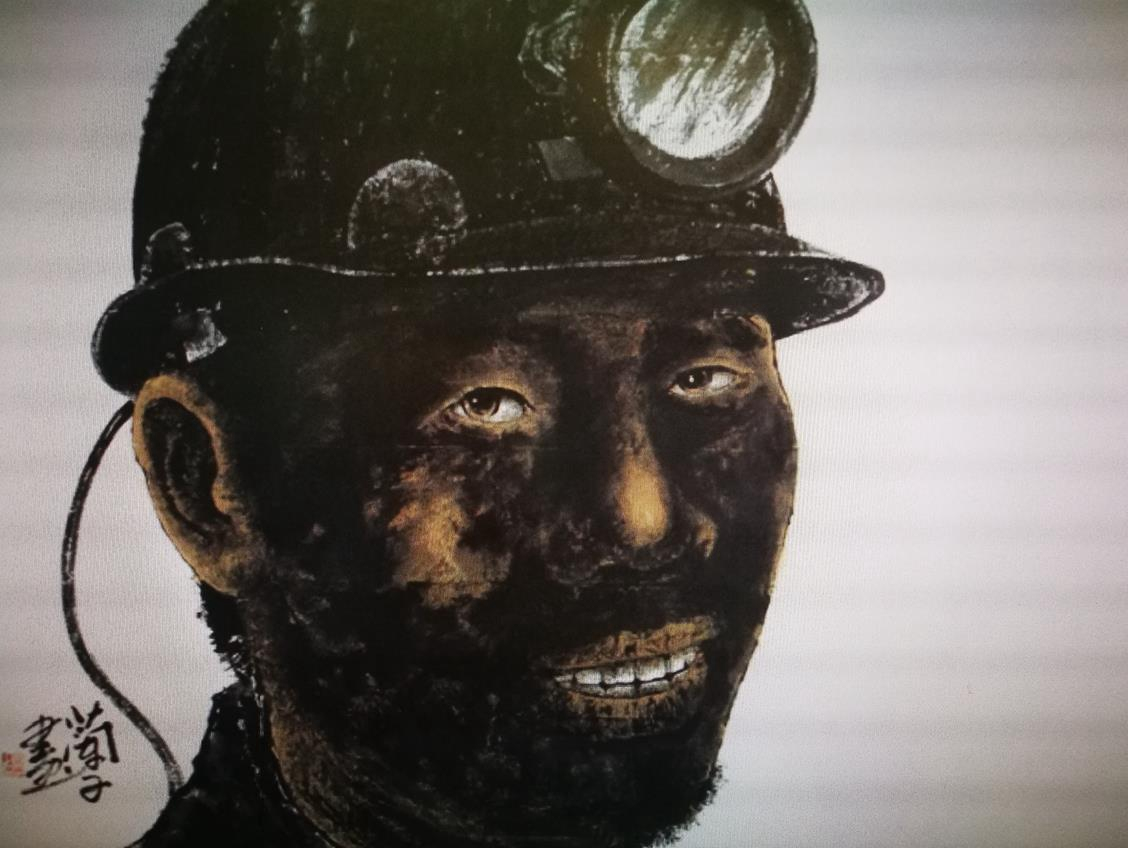
/CGTN Photo
/CGTN Photo
"Dry-ink painting, not only conveys the hardships and thoughts of the miners but also creates a strong visual impact and appeal," he said.
The painter compiled these portraits into an album, "The Song of the Coal Miners," published in June 2009 by the People's Fine Arts Publishing House.
The solemn, evocative faces of the coal miners created by Lin Lanzi represent much more than just that. In using painting ancient technique, he documented things that are easily overlooked by others and created a profile of contemporary workers in China.