
Politics
13:06, 22-Jun-2018
Turkish President Erdogan faces big test at the June 24 polls
 ["china"]
Share







Copied
04:29
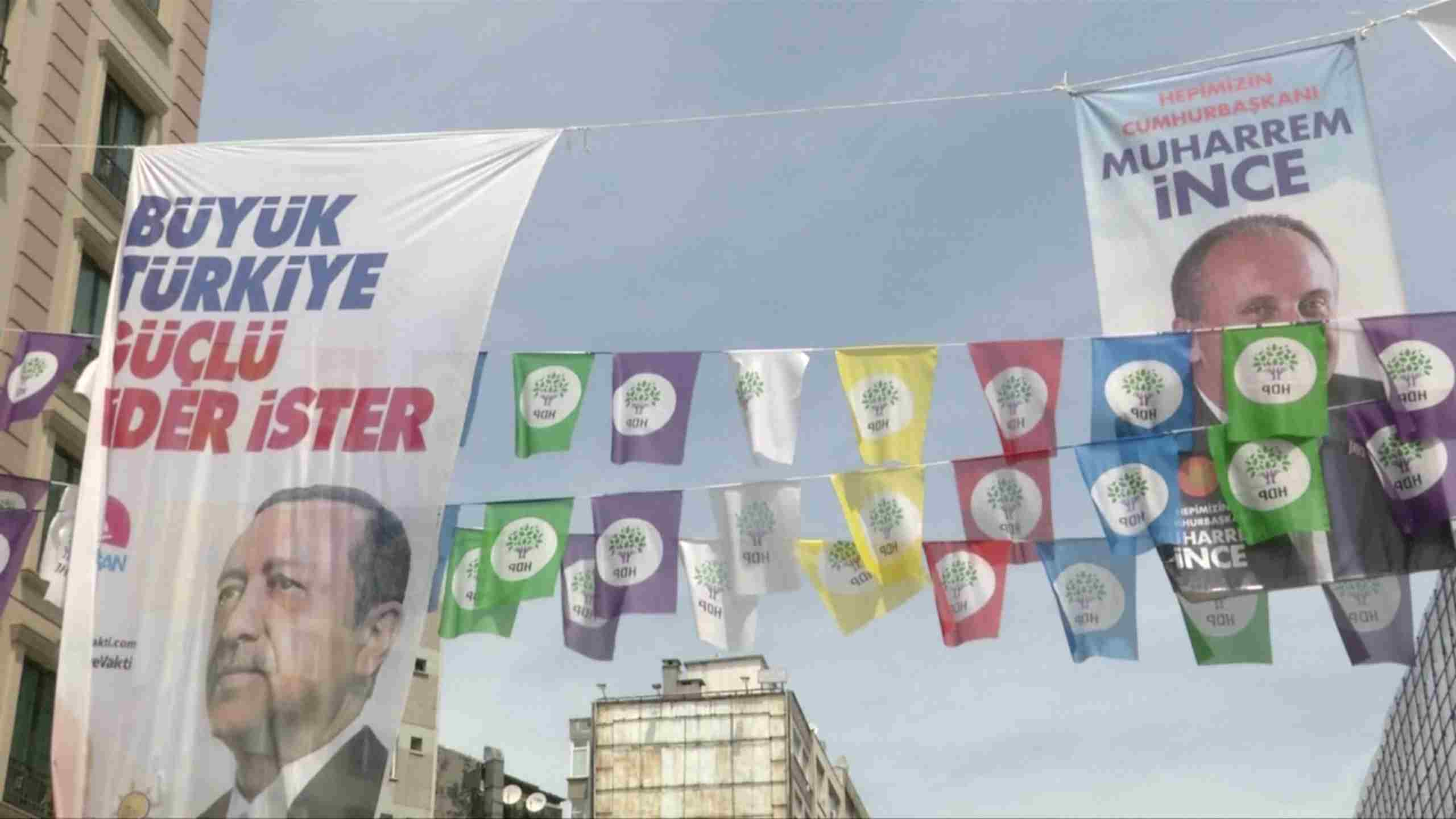
Turkey is heading toward a historic presidential and parliamentary election on June 24. Although the parliamentary votes are significant, the main focus has been on whether the new candidates will have a chance to rattle Recep Tayyip Erdogan, who has been leading the country for the last 15 years. It’s a significant election as the country braces to shift to a presidential system.
For the last 15 years, no one in Turkey has given Erdogan a real challenge. It was almost always certain he would be the winner of whatever election he was campaigning for. Yet this time around, there are doubts. Although Erdogan is still the leading candidate in the race, the end is not so clear yet. Erdogan’s referendum win last year for Turkey to transition to a presidential system was only by a very thin margin.
Opposition parties have all nominated their own candidates – if no candidate gains more than 50 percent of the votes, the top two will have a run-off round on July 8. If there should be a second round, opposition parties have vowed to stick together and support whoever faces Erdogan.
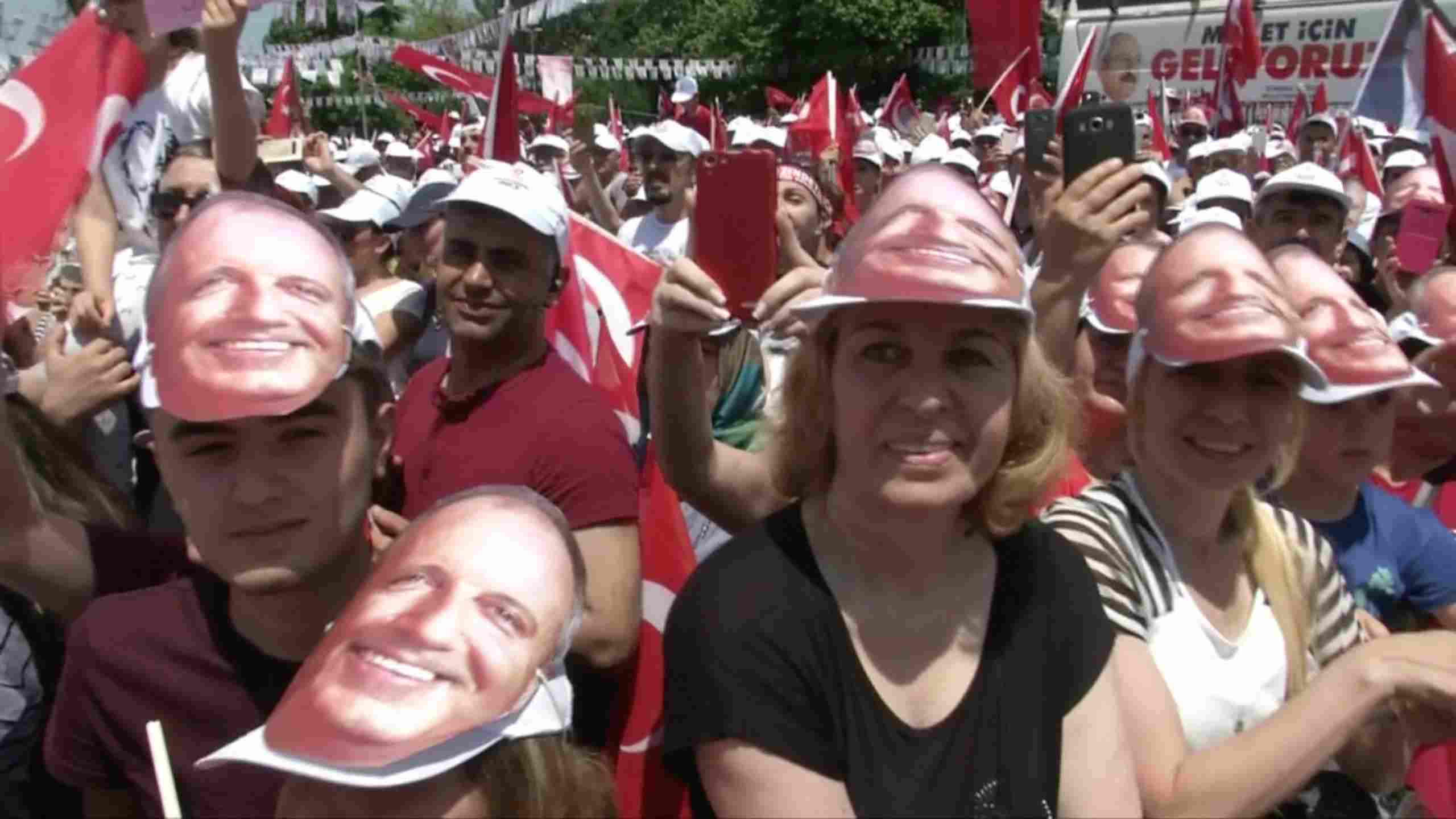
Republican People's Party (CHP) rally for presidential candidate Muharrem Ince /Reuters Photo
Republican People's Party (CHP) rally for presidential candidate Muharrem Ince /Reuters Photo
The main opposition Republican People's Party (CHP) has nominated a former physics teacher known for his passionate speeches in parliament – Muharrem Ince. At his rallies, his opening remarks have usually focused on his intention to unite a much polarized Turkish society.
Ince says he wants to "build the world's largest bridge, a bridge of hearts." He claims that if he is elected president, "there will be no discrimination, no left or right, no Turkish or Kurdish, no Alevi or Sunni, no man or woman" and that he would represent 81 million, and be everyone's president.
The third name in the race is Meral Aksener, dubbed "she-wolf," representing the breakaway nationalist group, the Iyi (Good) Party. Aksener, an experienced politician and former interior minister hopes to gain support from nationalists but also from the more conservative AK Party voters.
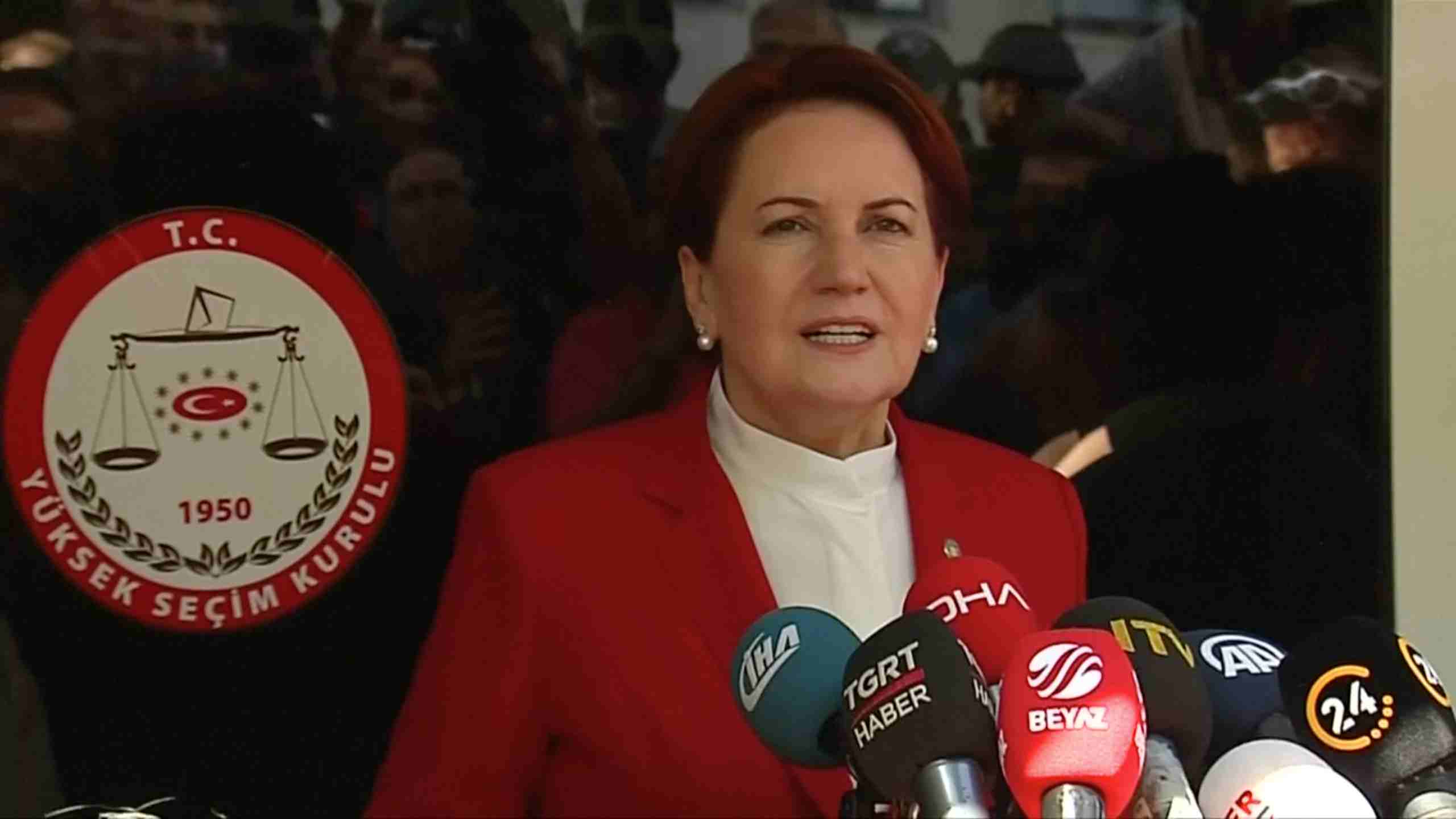
Turkish presidential Iyi Party candidate Meral Aksener /Reuters Photo
Turkish presidential Iyi Party candidate Meral Aksener /Reuters Photo
Selahattin Demirtas, a controversial candidate, is campaigning from prison as the representative of the Kurdish Peoples' Democratic Party (HDP) as he faces terror-linked charges.
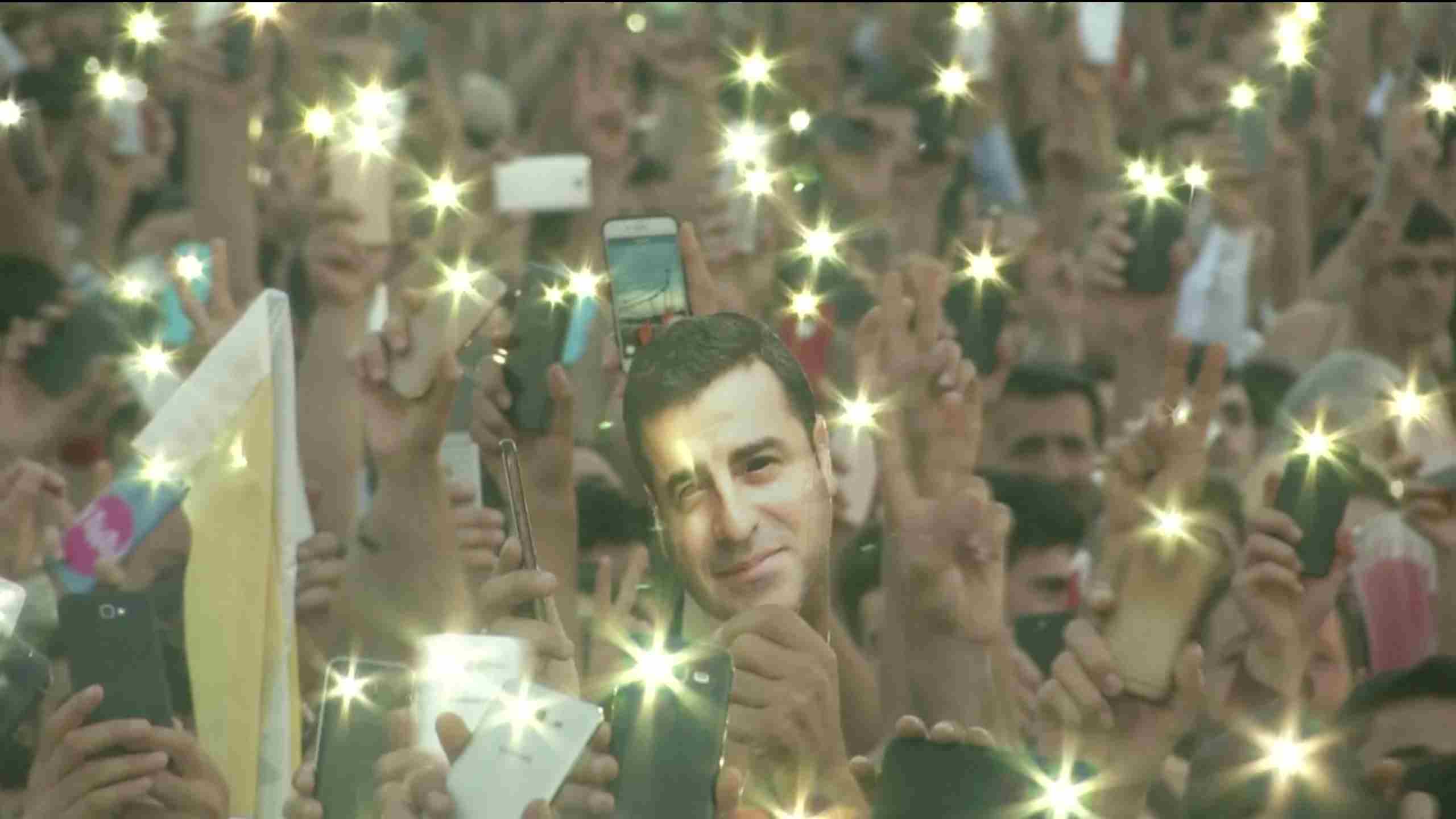
Peoples' Democratic Party (HDP) Rally /Reuters Photo
Peoples' Democratic Party (HDP) Rally /Reuters Photo
Erdogan has focused on national security threats and successful cross-border operations in Syria during his rallies, while opposition candidates have emphasized the need for justice and rule of law in Turkey. Meanwhile, all have stressed the need for a new economic strategy as the Turkish Lira continues to tumble against the US dollar.
Political analyst Idris Kardas, from Istinye University in Turkey, says the security issues and the economy are the two main issues voters are considering when debating who to vote for.
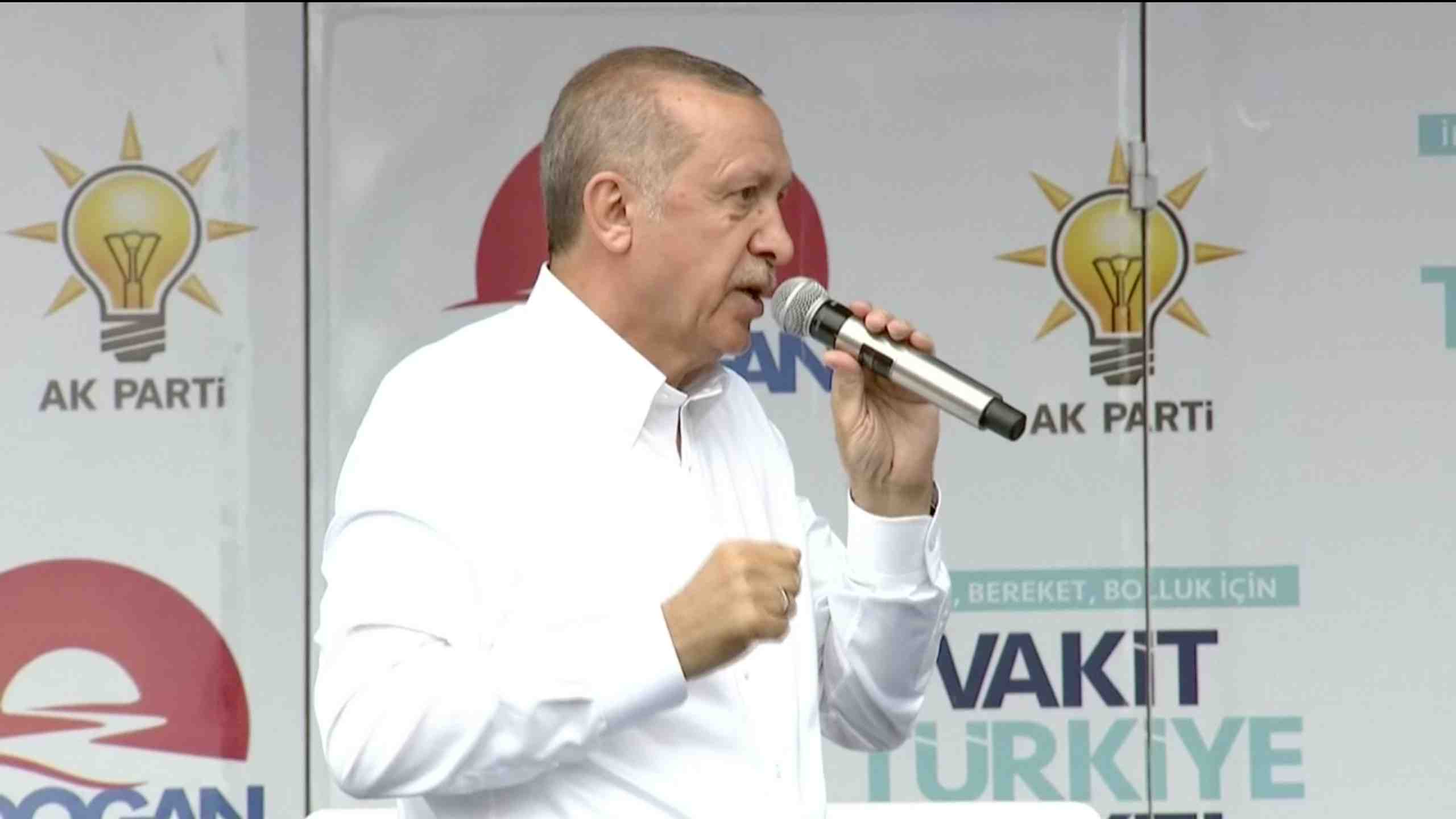
Turkish President Erdogan /Reuters Photo
Turkish President Erdogan /Reuters Photo
Although the three main presidential candidates' perspectives differ on many issues from the economy to foreign policy, Erdogan, Ince and Aksener have all promised to do one thing following the elections – to lift the state of emergency that was declared after the failed coup of 2016.
With the economy taking a hit, a new face with the main opposition – a strong female contender and a candidate in prison – this election is certainly an unusual one to say the least. Although unlikely, the end result may just turn out to be surprising as well.
6842km