
Culture
09:56, 15-Jun-2018
CASS holds high-level cultural dialogue on Belt & Road Initiative
 ["china"]
Share







Copied
01:57
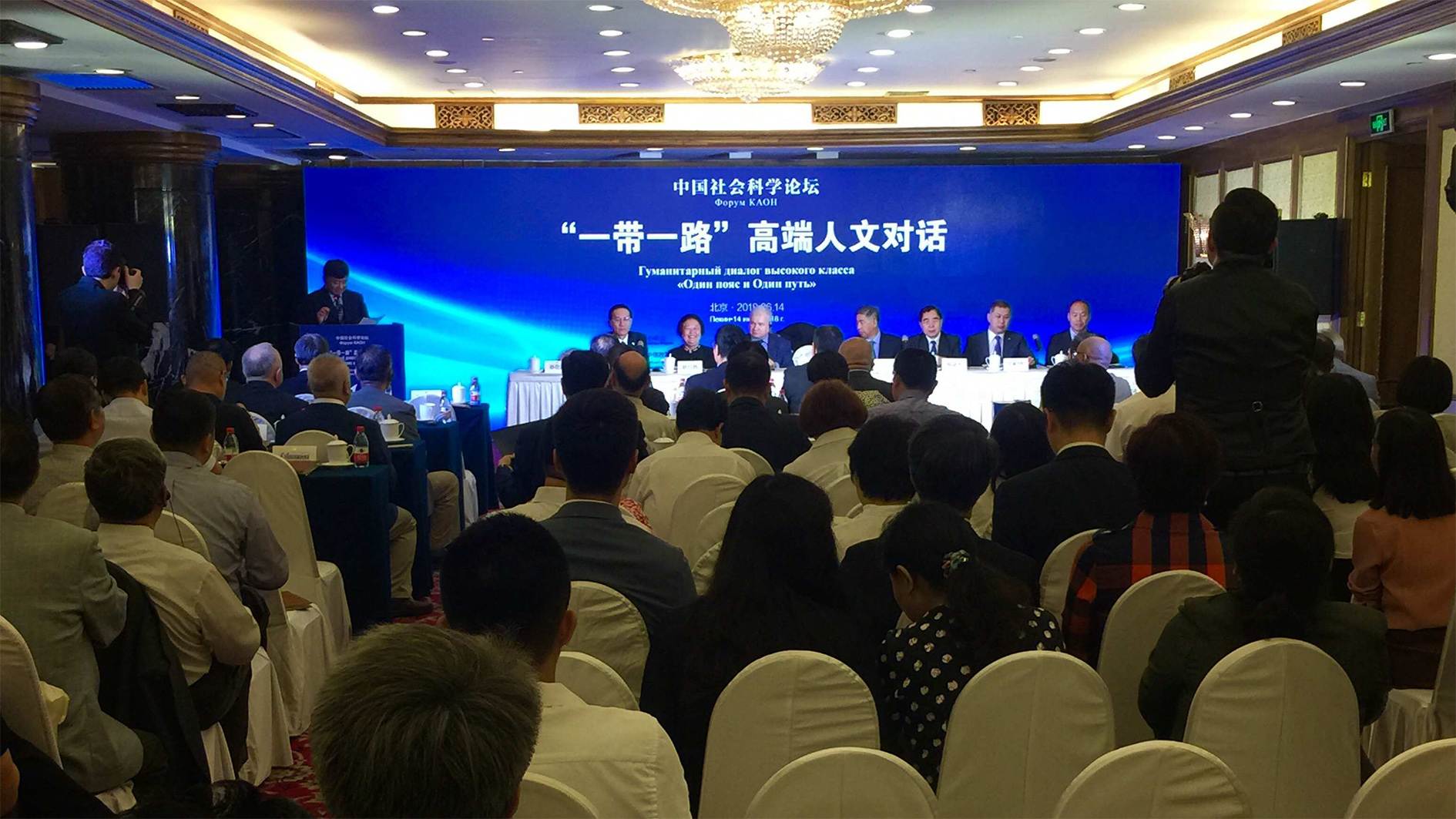
A forum, held by the Chinese Academy of Social Sciences (CASS) on Thursday, set out to discuss cultural exchanges under the framework of the China-proposed Belt and Road Initiative (BRI).
The participants came from the Shanghai Cooperation Organization (SCO) countries and relevant organizations. The SCO Qingdao Summit has concluded, but for them, the spirit of respecting cultural diversity and pursuing shared development continues.
SCO member states, observer states and dialogue partners – 18 in total – are all on the Belt and Road path.
"Each one of us has its own cultural traditions, ideas and values. Yet under the Shanghai Spirit, SCO countries have broad prospects for cultural collaboration," said Wang Kaiwen, deputy secretary-general of the SCO.
Wang singled out tourism, noting that although the number of outbound travelers keeps growing, few of them set their destinations to SCO countries.
The simplification of visa application procedures would help tourism between China and other SCO countries enjoy a bright future, he noted.
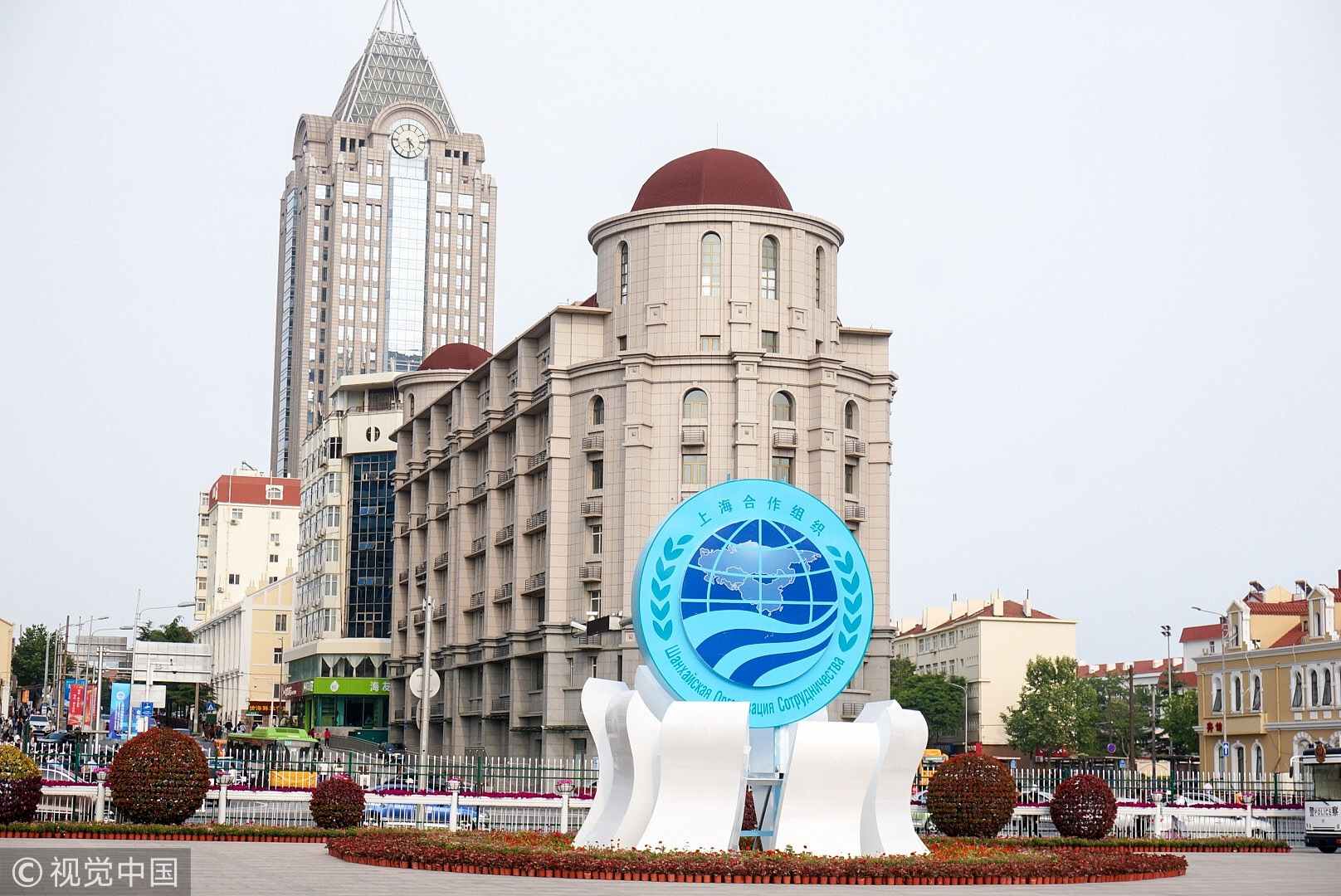
SCO logo seen outside Qingdao railway station. /VCG Photo
SCO logo seen outside Qingdao railway station. /VCG Photo
Tourism, of course, could increase economic development. More importantly, it creates people-to-people ties. Kazakh Ambassador to China Shakhrat Nuryshev pointed out that cooperation should not be limited to the economy.
"We could see a huge increase in economic cooperation between Kazakhstan and China in the coming years. I think it’s important to hold cultural exchange events. I think cultural exchanges should be the basis of bilateral relations as well as people-to-people ties."
One organization – the Silk Road Academy – is attempting to do just that and has held three international workshops on the Belt and Road construction and Eurasian development.
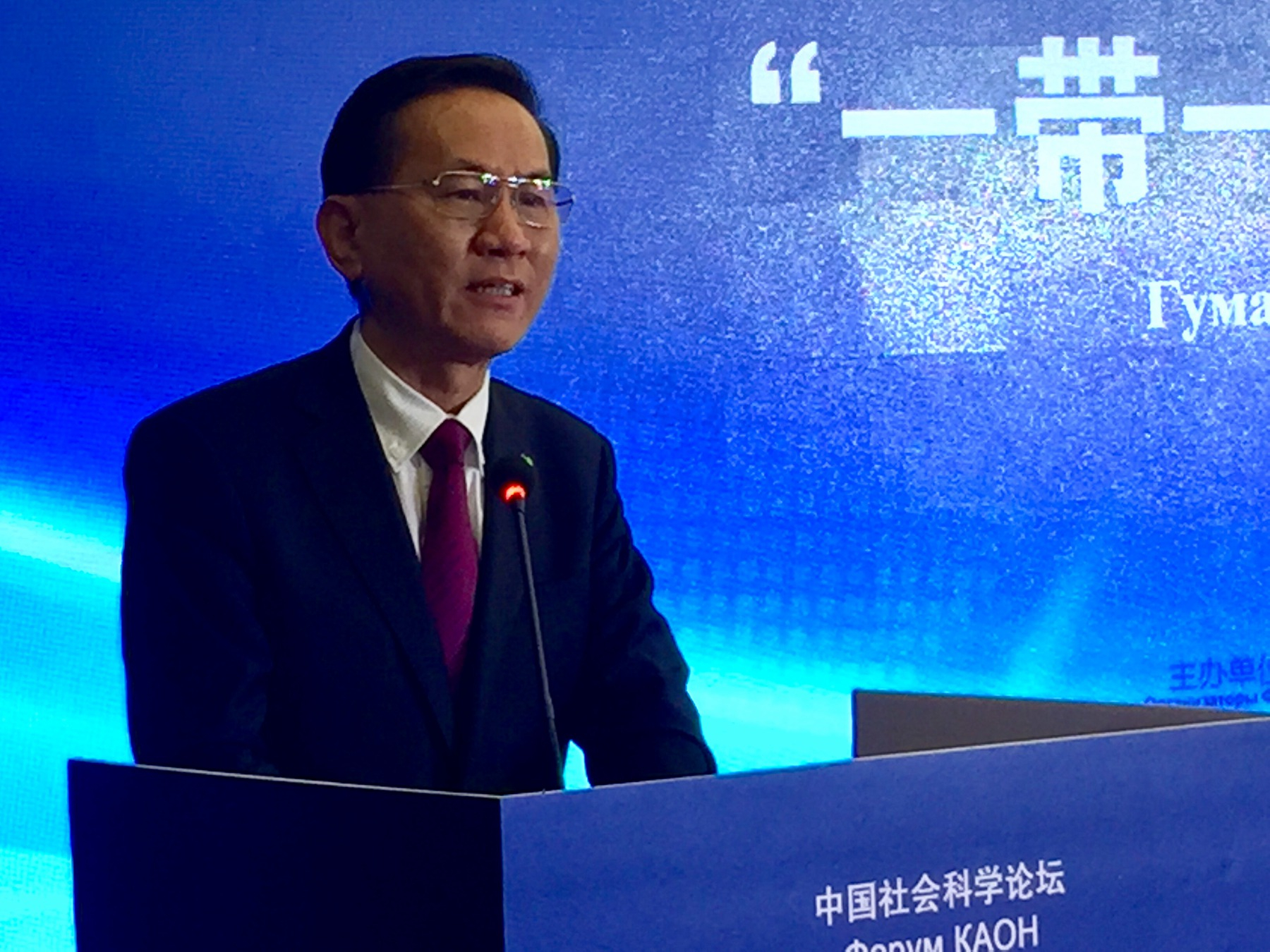
Silk Road Academy Director Li Jiping gives a speech. /CGTN Photo
Silk Road Academy Director Li Jiping gives a speech. /CGTN Photo
The academy's director Li Jiping says think tanks and academics should provide a platform for practical activities.
"The major task of our institute is to do research. Yet we cannot just write articles. We need to organize more exchange activities. For the time being, we offer workshops and training for officials and entrepreneurs from countries alongside the Belt and Road. Our next step will be bringing in Chinese entrepreneurs, and promote their communications."
The core of the Belt and Road Initiative is connectivity in five areas: policy coordination, facilities connectivity, unimpeded trade, financial integration and people-to-people bonds.
While the people-to-people bonds are mentioned at the last place, they are by no means the least important sector. On the contrary, the connection of people’s hearts is crucial in the process of building a community of a shared future for all humankind.