
Business
14:23, 08-Aug-2018
Foreign companies in Changchun enjoy the dividends of China's commitment to opening-up
Updated
13:48, 11-Aug-2018
 ["china"]
Share







Copied
02:38
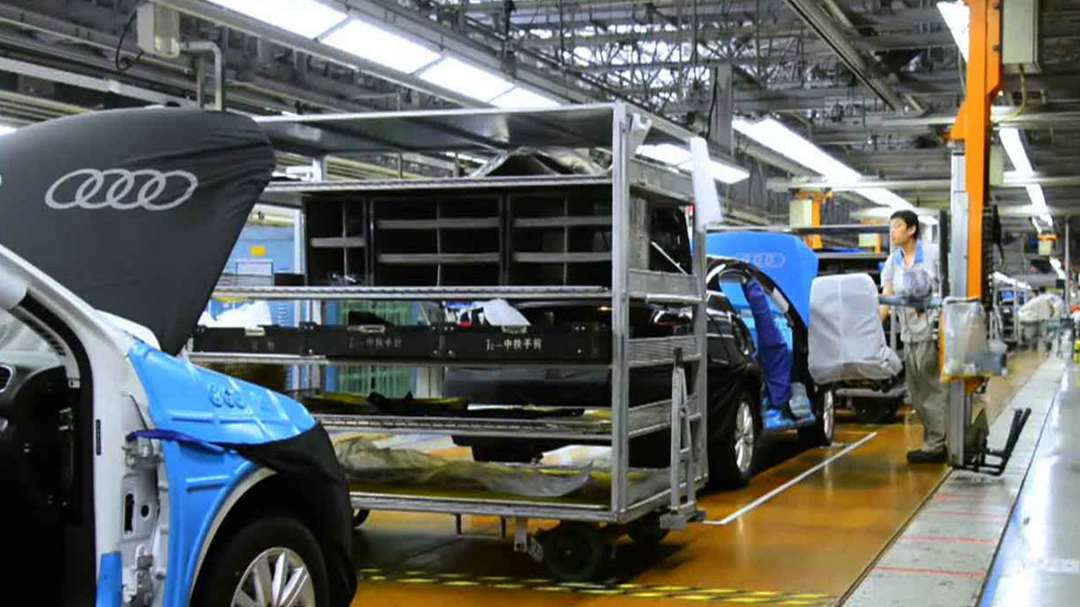
Over the years, China's broadening economic horizons have created countless opportunities for companies both at home and abroad. As the nation expresses its willingness to further open up, CGTN went to Changchun - known as "the city of automobiles" - and talked with some of the foreign firms there.
A Ra-hong, a native of S. Korea, struggled, as many foreigners in China do, with whether her decision to come to Changchun was the right one. A year ago, she took on a new position at her company's manufacturing base in the city. She says so far, so good.
"I shouldn't have worried so much before. Now I have made myself totally familiar with things like the popular car-hailing app (DiDi), and where to buy authentic Korean pickles. And I think knowing the business culture of China is a valuable career asset." she said.
The company A Ra-hong works for has enjoyed the dividends of China's opening up, and they expect more as China plans to welcome even more foreign firms to its burgeoning auto industry.
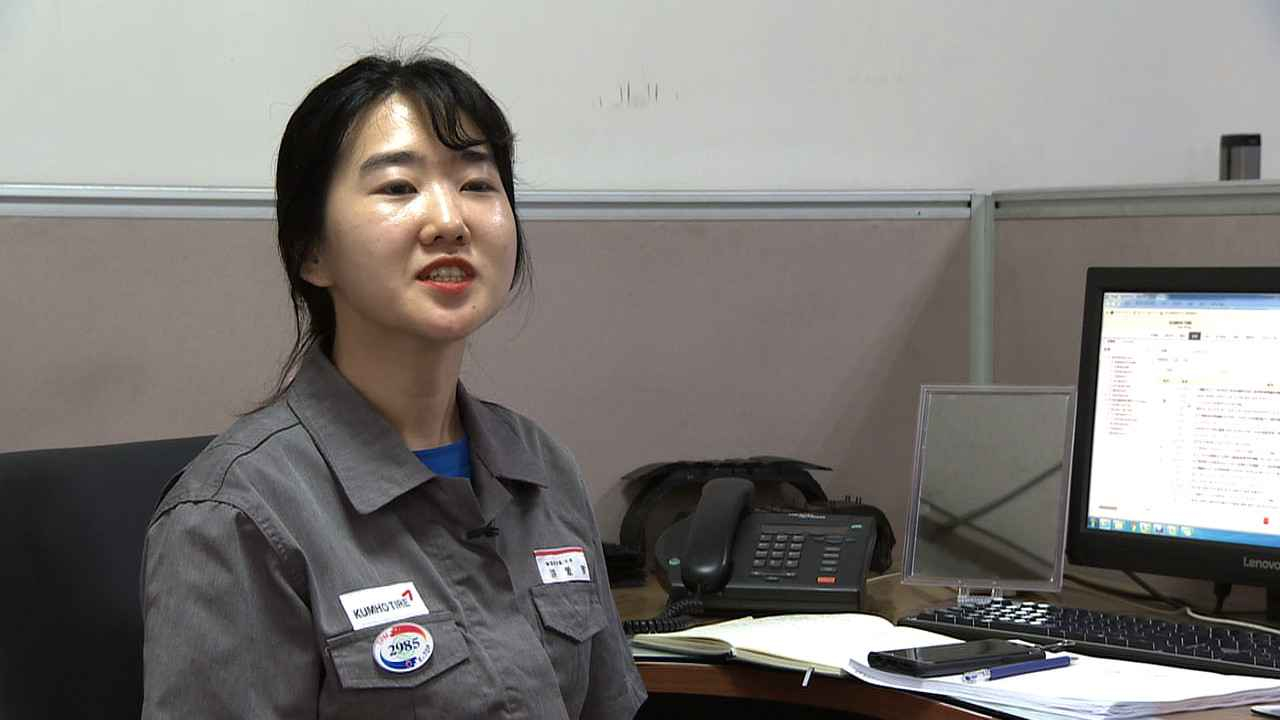
A Ra-hong, a native of S. Korea, took on a new position at her company's manufacturing base in Changchun a year ago. /CGTN Photo
A Ra-hong, a native of S. Korea, took on a new position at her company's manufacturing base in Changchun a year ago. /CGTN Photo
Amid China’s latest efforts to further open up, a substantial amount of foreign capital has come in. Experts say this will help ease administrative procedures, strengthen intellectual property (IP) protection and optimize the business environment, making China even more attractive to foreign investors and workers.
When we visited a fully-owned subsidiary of a German industry leader, we didn't see any German managers nor technicians around. This explains a lot about the current situation on IP protection in China.
Wang Zhiqiang, the deputy manager of SEG Automotive China, told CGTN that they had lawyers negotiating with local authorities about every detail at the beginning of their expansion project in China. Both parties kept their words as far as what was laid out in the contract and as mutual trust grew, they started localizing human resources.
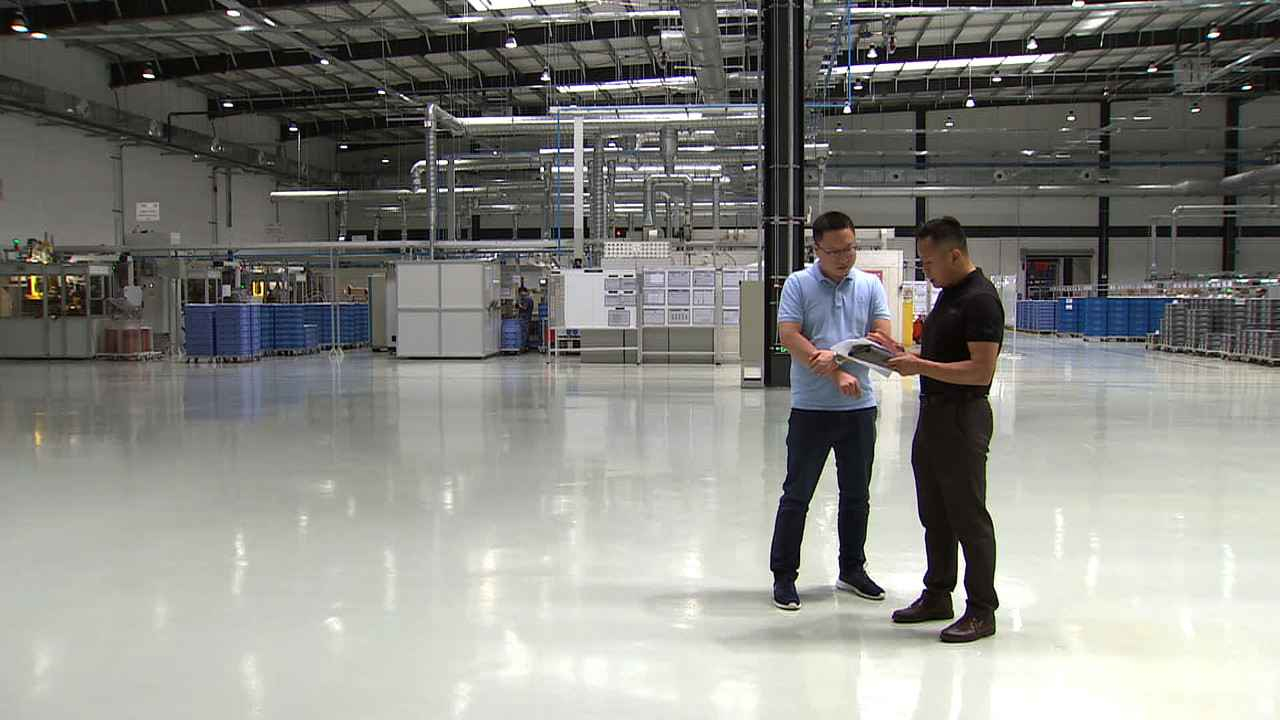
When CGTN visited a fully-owned subsidiary of a German industry leader, surprisingly we didn't see any German managers, nor technicians around. /CGTN Photo
When CGTN visited a fully-owned subsidiary of a German industry leader, surprisingly we didn't see any German managers, nor technicians around. /CGTN Photo
We also met Zhu Xinqing, an official from the local commerce bureau in Changchun, he has spent more than 20 years aiding foreign companies in China. He knows full well what makes them stay.
"The bottom line is implementing the principles of national treatment for foreign investors and workers. National treatment is an integral part of many WTO agreements. What's more, personal interactions are also important, to make the foreigners feel like they're at home in their spare time," said Zhu.
China’s economic development was achieved in an open market, and its future development requires even greater openness. As the country now takes on a host of initiatives for opening up even further, investors from around the world will vote with their feet.