
Politics
10:31, 12-Jul-2018
Czech PM Babis wins cabinet's backing, ends nine-month struggle to form majority
Updated
09:57, 15-Jul-2018
 ["china"]
Share







Copied
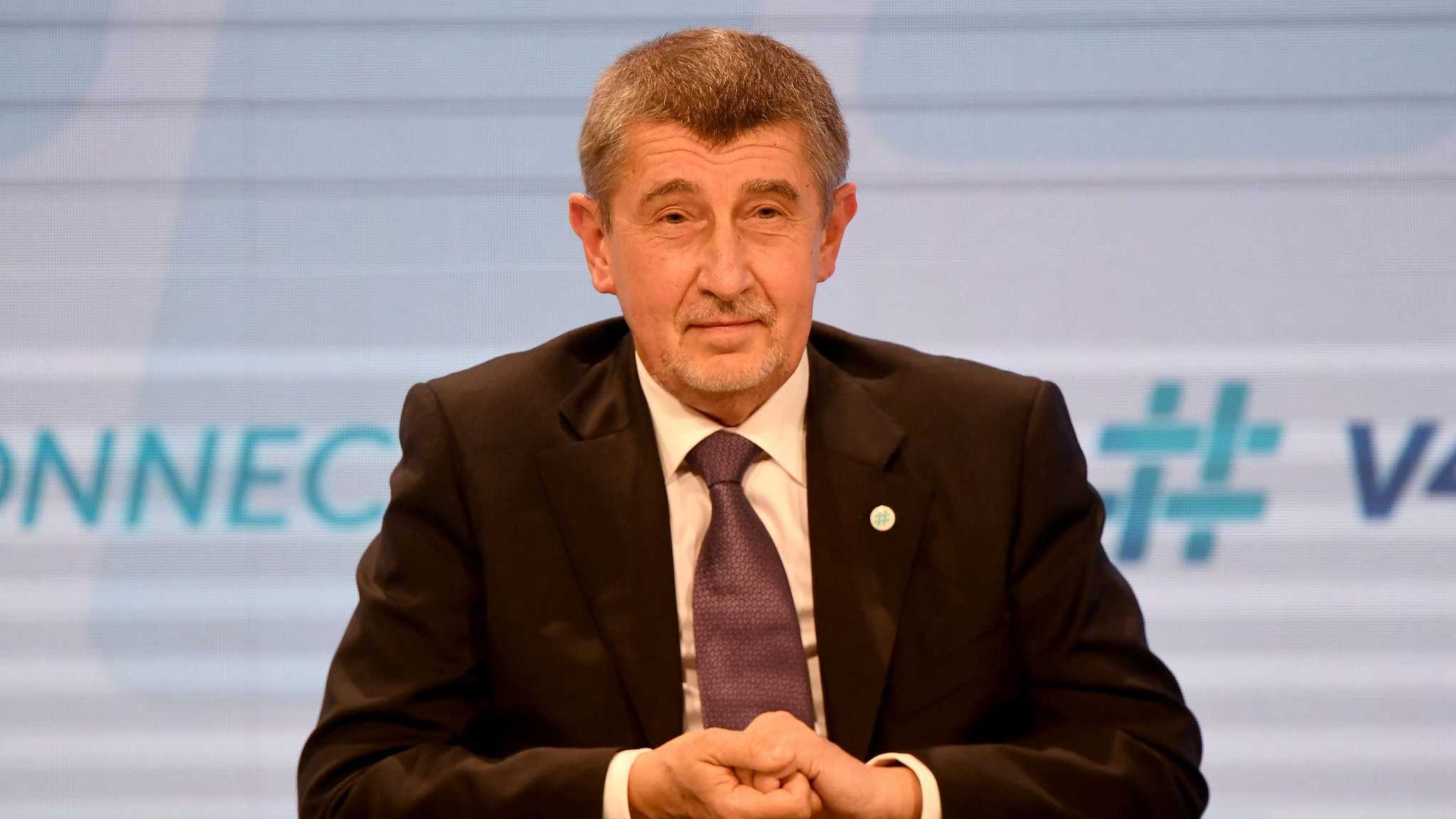
The Czech parliament gave its backing early on Thursday to a new, center-left minority cabinet led by billionaire Andrej Babis, ending his nearly nine-month effort to secure a parliamentary majority.
The new government, which pairs Babis's ANO party with the Social Democrats, relied on the support from the Communist Party, giving it a political say for the first time since the fall of communism in former Czechoslovakia in 1989.
Most parties have rejected working with Babis, whose ANO won an election last October, because he faces fraud charges related to a 2 million euro EU subsidy a decade ago. He has denied any wrongdoing.
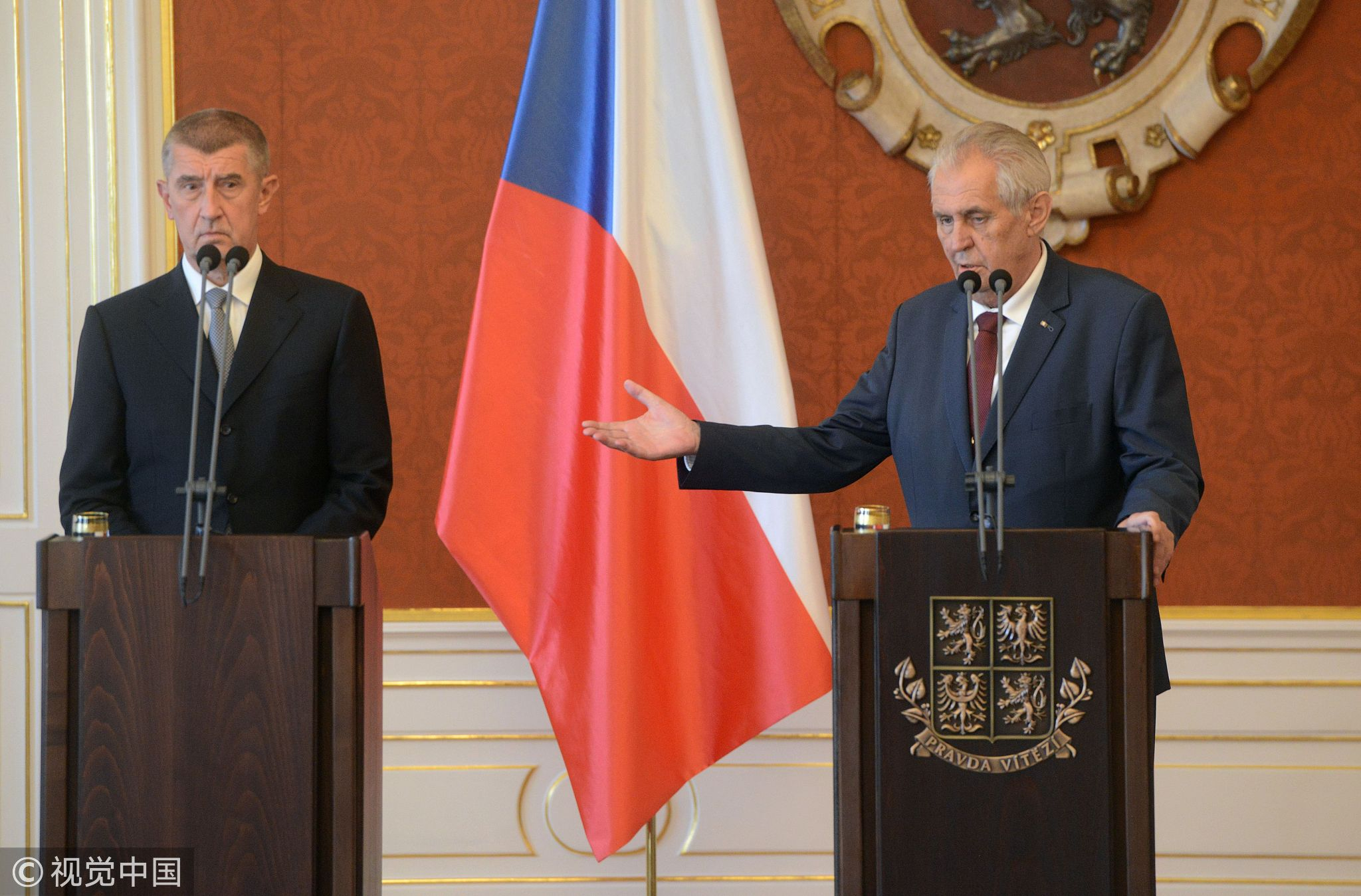
File photo of Czech Prime Minister Andrej Babis and President Milos Zeman /VCG Photo
File photo of Czech Prime Minister Andrej Babis and President Milos Zeman /VCG Photo
Under a deal that has been criticized by opposition parties, ANO and the center-left Social Democrats together hold 93 seats in the 200-seat lower house of parliament, with the pro-Moscow, anti-NATO Communists agreeing to lend another 15 votes.
After 16 hours of debate, the government won 105 votes among the 196 present in the ballot, which is mandatory for any new cabinet, official results showed.
"I want to ... stress that this is a very serious moment, the return of the Communist Party to power and influence in the Czech Republic," Petr Fiala, leader of the main opposition party, center-right Civic Democrats, said in parliament.
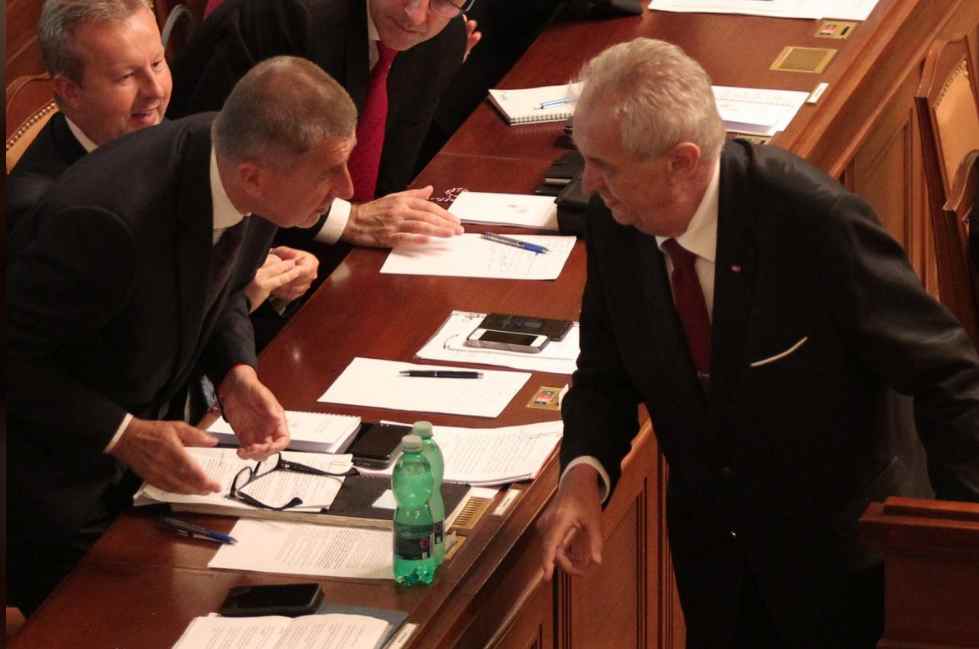
Czech President Milos Zeman attends a parliamentary session during a confidence vote for the newly appointed government led by Czech Prime Minister Andrej Babis, in Prague, Czech Republic, July 11, 2018. /Reuters Photo
Czech President Milos Zeman attends a parliamentary session during a confidence vote for the newly appointed government led by Czech Prime Minister Andrej Babis, in Prague, Czech Republic, July 11, 2018. /Reuters Photo
Speaking before the debate, Babis said his government would focus on investment and maintaining sound public finances, which have been in surplus in recent years amid a period of strong growth as well as a labor market with the EU’s lowest unemployment.
He also aimed to give the country a stronger voice in the EU and continue to push the bloc to strengthen security to get immigration under control.
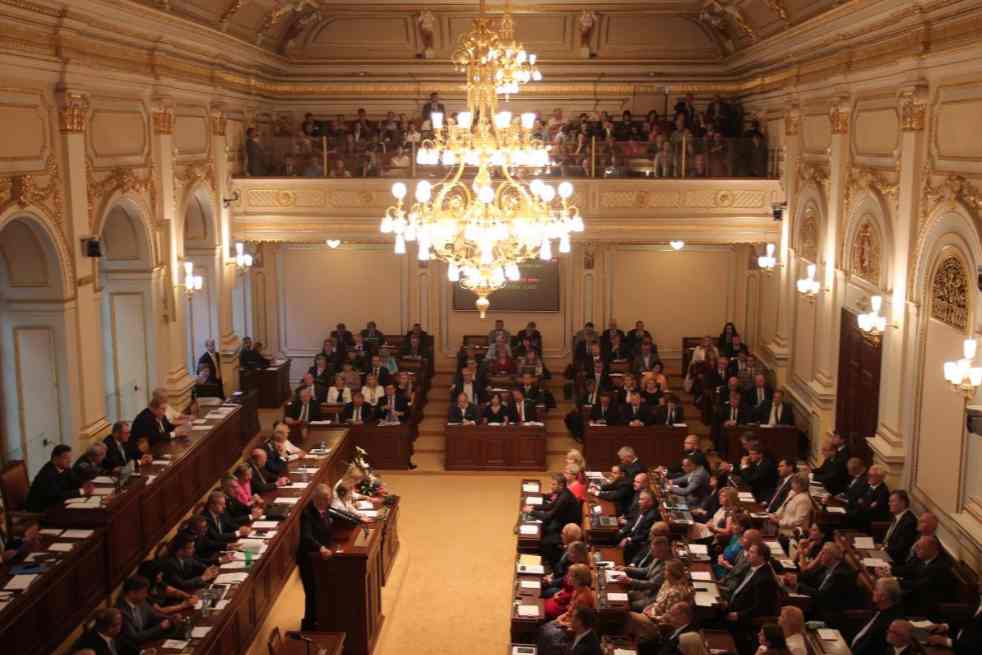
File photo of a parliamentary session during a confidence vote in Prague /Reuters Photo
File photo of a parliamentary session during a confidence vote in Prague /Reuters Photo
Babis has repeatedly said he would keep the Czech Republic on a pro-Western course and avoid the kind of sparring over checks and balances that has landed neighbouring Poland and Hungary in conflict with Brussels.
But he backs Central European peers in rejecting to accept asylum seekers fleeing war in the Middle East and Northern Africa. His hard line reflects public mood in a country where six in 10 refuse to accept any war refugees, according to surveys, and nearly all those remaining say they would only provide temporary asylum.
(Cover: File photo of Czech Prime Minister Andrej Babis /VCG Photo)
Source(s): Reuters