
Opinions
14:24, 30-May-2018
Opinion: China's Blue Helmets, the key forces under UN peacekeeping
 ["china"]
Share







Copied
Editor's note: He Wenping is senior research fellow of the Charhar Institute and research fellow of Chinese Academy of Social Sciences. The article reflects the author's opinion, and not necessarily the views of CGTN.
Every May 29 is the United Nations international peacekeepers day. And the year 2018 marks the 70th anniversary of the UN peacekeeping operation, and also the 28th anniversary for China’s participation in the UN peacekeeping activities.
In the past 28 years, China has been participating actively and firmly in the UN peacekeeping operation and serving as the second largest contributor to the UN Peacekeeping budget, and contributes more troops to UN peacekeeping missions than any other permanent members of the UN Security Council.
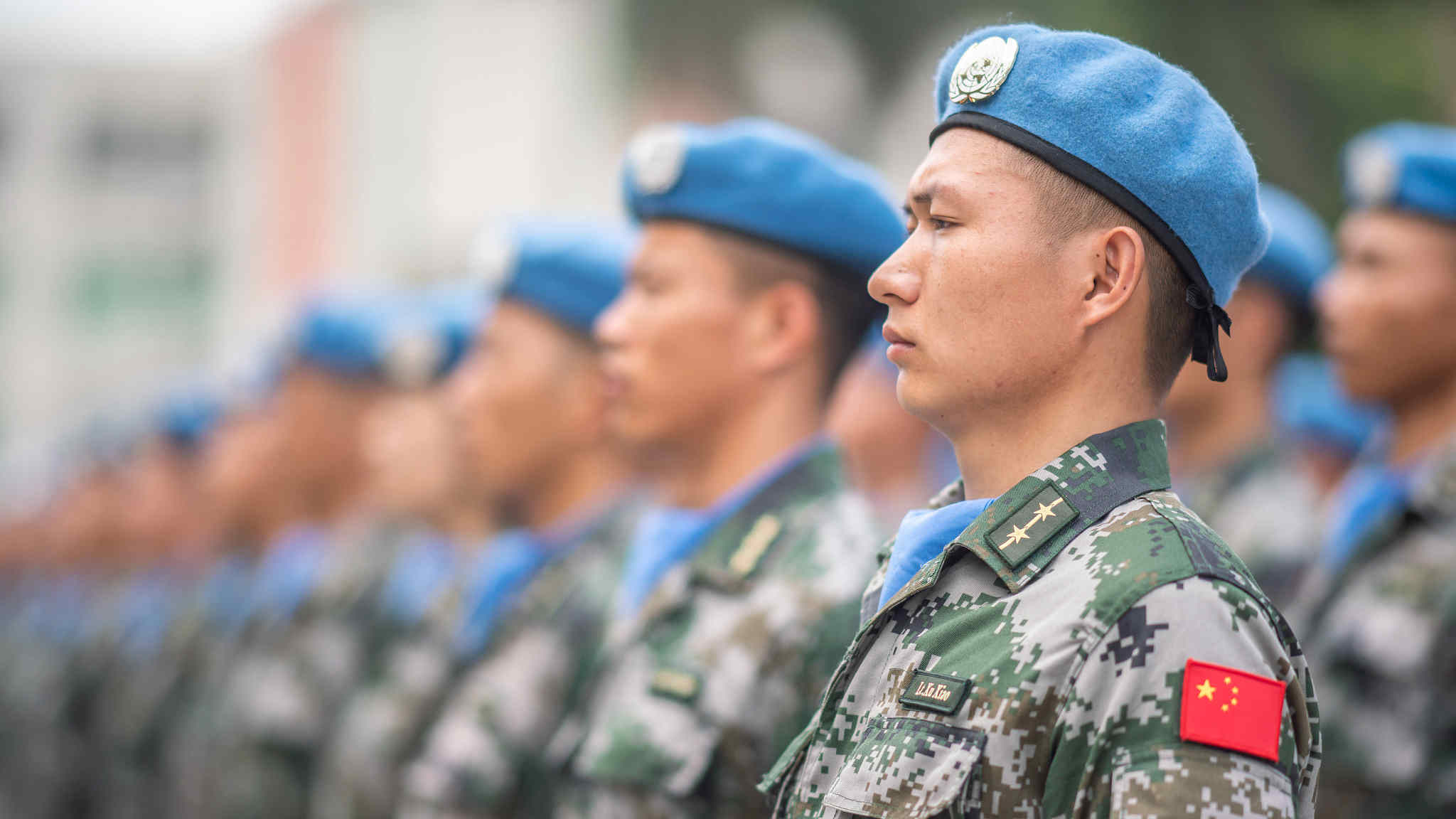
So far, China has dispatched a total of 35,000 blue helmet peacekeepers and participated in as many as 24 UN peacekeeping operations, and is regarded as the key force in UN peacekeeping activities.
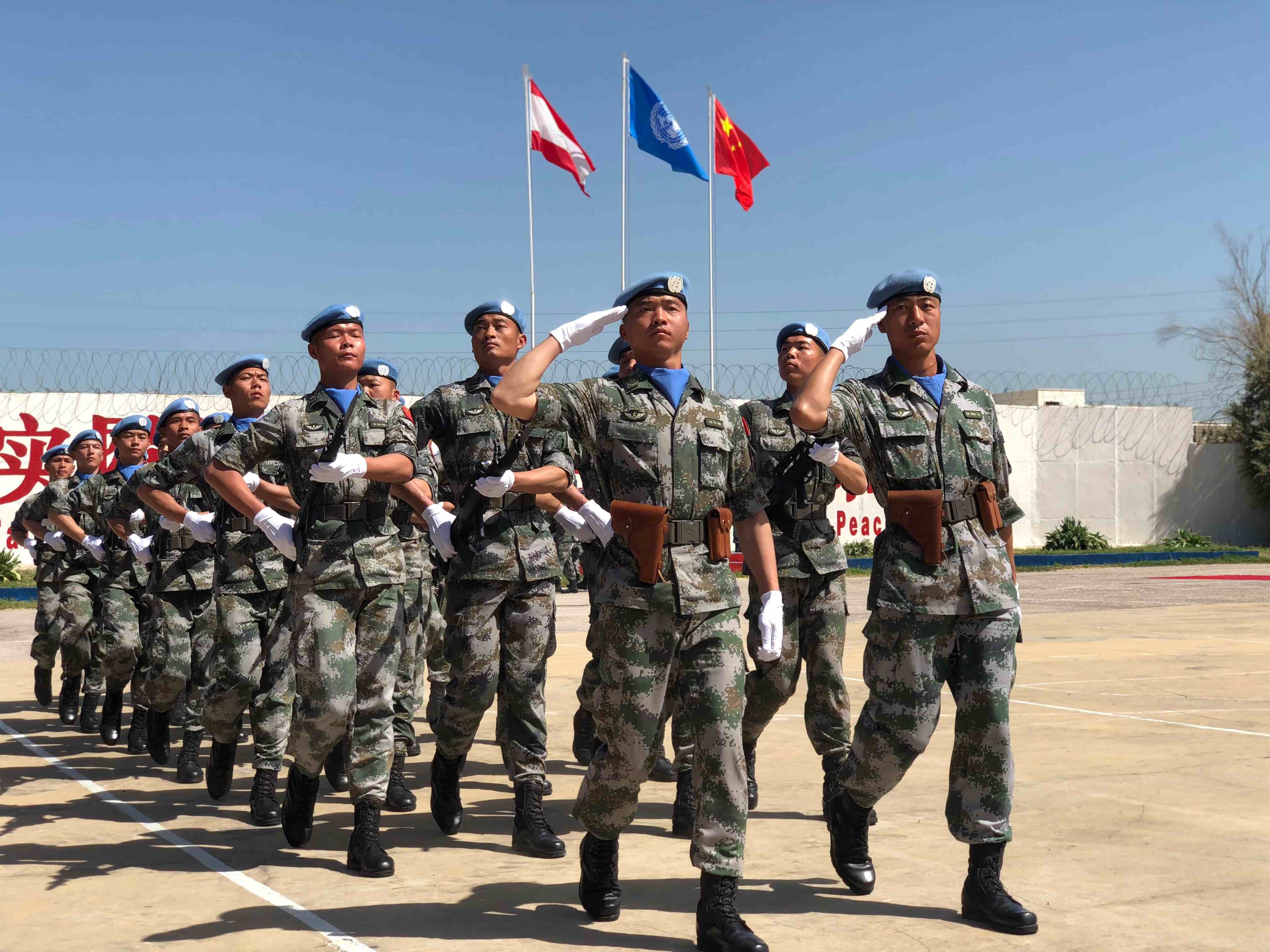
Members of the 16th Chinese peacekeeping force to Lebanon attended the medal-awarding ceremony at the camp of the Chinese peacekeeping multi-functional engineer detachment to Lebanon in Hanniyah village in southern Lebanon on April 6, 2018. /CGTN Photo
Members of the 16th Chinese peacekeeping force to Lebanon attended the medal-awarding ceremony at the camp of the Chinese peacekeeping multi-functional engineer detachment to Lebanon in Hanniyah village in southern Lebanon on April 6, 2018. /CGTN Photo
Looking back at contemporary world history, the human society has experienced two World Wars. Although the third World War has not yet erupted, regional conflict and civil war in some countries has been a long-term existence and still threatens global peace and security. Therefore, UN peacekeeping is essential for stopping the wars, resolving conflicts, easing tensions and creating peace.
Being a permanent member of the UN Security Council and the second largest economy now in the world, China has taken an increasingly active approach to fully engage with and participate in the UN peacekeeping operation.
The year 2015 can be regarded as a landmark year for highlighting China’s rise as a global security provider. Chinese President Xi Jinping announced in the UN Peacekeeping Summit in September 2015 that China will join the UN standby mechanism for peacekeeping capacity, and is committed to establishing 8,000 troops for the UN peacekeeping standby force—one fifth of the 40,000 total troops committed by fifty nations. They also pledged to help train 2,000 peacekeepers globally as well as give 100 million USD worth of aid to the African Union standby force building and 1 billion USD to establish the UN Peace and Development Trust Fund.

United Nations Peace Medal of Honor. /CGTN Photo
United Nations Peace Medal of Honor. /CGTN Photo
So far, the 8,000 Chinese standby peacekeeping troops are ready and 1,600 out of 2,000 peacekeepers globally have been trained.
Historically, China's foreign policy was to have less engagement and non-participation in international multilateral organizations and its operations, such as the UN peacekeeping activities.
It was not until the 1990s, almost 10 years after the reform and open-up policy was adopted that China’s policy towards peacekeeping started to shift and China joined its first military peacekeeping operation by deploying five observers to the UN Truce Supervision Organization in the Middle East.
The reasons and motivations for China’s increasing involvement in UN peacekeeping operations can be understood from the following three perspectives.
The first is to show and bear the responsibility of great powers. With rapid economic development and rising international influence, China needs and also is willing to make more contributions to the international society.
By actively participating in UN peacekeeping operations, China’s global reputation and its status as a cooperative responsible global stakeholder can be strengthened. And it will be also a powerful counter to so the so-called sayings of “China threat” or “China’s new colonialism”. And by doing so, China’s soft power which has been long lag behind the hard power can also been increased.
The second consideration is to increase the experience and capacity of Chinese peacekeepers. The Chinese army has been in a peaceful environment for decades and short of experience dealing with tough situations.
By participating in the UN peace mission, they can gain invaluable field experience, including how to effectively cooperate with military from other countries. From sending non-combat peacekeepers such as engineers and medical staff to dispatching combat troops in South Sudan. The steadily improving participation in the UN peacekeeping mission shows clearly the strong determination of the Chinese government to deploy peacekeepers abroad though facing high risk and even the cost of sacrifice.
Last but not the least, with the increasing China overseas investment and Chinese people doing business or travelling abroad, for example, there are at least 1 million Chinese now living in Africa where most UN peacekeepers go, joining the UN peacekeeping activities and safeguarding world peace and stability will certainly be beneficial for Chinese people and Chinese investment abroad.
In the era of globalization, international peace and security needs international cooperation and joint efforts from all countries in the world. China will certainly continue to play its role and make greater contributions to the UN peacekeeping service.