
Business
18:00, 02-Oct-2018
Bill allowing US to sue OPEC drawing renewed interest
Updated
17:31, 05-Oct-2018
 ["north america"]
Share







Copied
With oil prices hitting fresh four-year highs, long-dormant proposals to allow the United States to sue OPEC nations are getting a fresh look in Congress, though they were once considered a longshot to becoming law.
A US Senate subcommittee on Wednesday will hear testimony on the so-called No Oil Producing and Exporting Cartels Act, or NOPEC, which would revoke the sovereign immunity that has long shielded Organization of the Petroleum Exporting Countries (OPEC) members from US legal action.
The bill would change US antitrust law to allow OPEC producers to be sued for collusion. It would make it illegal to restrain oil or gas production or set those prices removing sovereign immunity that US courts have ruled exists under current law.
Past US leaders have opposed the NOPEC bill, but the possibility of its success may have increased due to President Donald Trump's frequent criticism of the OPEC, and as some predict that Brent crude, the international benchmark, could reach 100 US dollars a barrel before long.
"OPEC is a pet peeve for him," said Joe McMonigle, senior energy policy analyst at Hedgeye Potomac Research. "Everybody thinks he could easily support NOPEC."
Saudi Arabia is lobbying the US government to prevent the bill's passage, sources familiar with the matter said. Business groups and oil companies also oppose the bill, citing the possibility of retaliation from other countries.
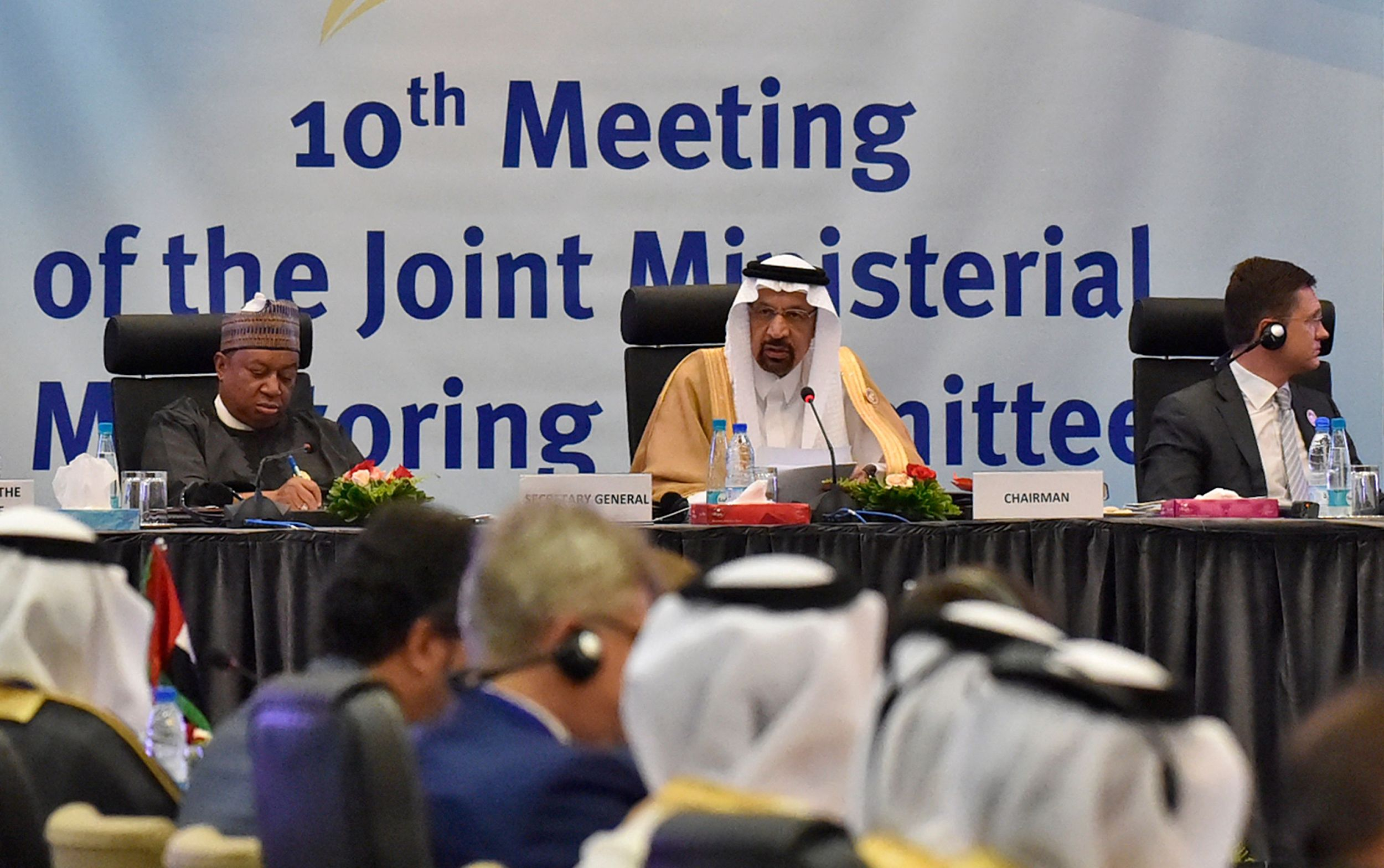
OPEC's Joint Ministerial Monitoring Committee (JMMC) in Algiers on September 23, 2018. /VCG Photo
OPEC's Joint Ministerial Monitoring Committee (JMMC) in Algiers on September 23, 2018. /VCG Photo
OPEC controls output from member nations by setting production targets. Prices are up 82 percent following the cartel's decision to cut output at the end of 2016, hitting 84 US dollars a barrel on Monday, and lawmakers have trained their ire on the group, saying it is again harming consumers and represents interference in free markets.
Wednesday's hearing before the Senate Subcommittee on Antitrust, Competition Policy and Consumer Rights could give insight into the executive branch's stance, McMonigle said. One of the witnesses will be Makan Delrahim, assistant attorney general for the Justice Department's Antitrust Division, who has written in support of such legislation.
Earlier this year, the US Chamber of Commerce and American Petroleum Institute told Congress they opposed the bill, saying surging US energy output had mitigated OPEC's influence.
Since the US renewed sanctions on Iran this May, other nations, including Saudi Arabia, have agreed to increase production. However, that has not yet stopped oil's upward climb.
Source(s): Reuters