
Opinions
11:39, 11-Sep-2018
The Heat: The escalating trade war triggers a systematic containment of China
Updated
11:30, 14-Sep-2018
 ["china"]
Share







Copied
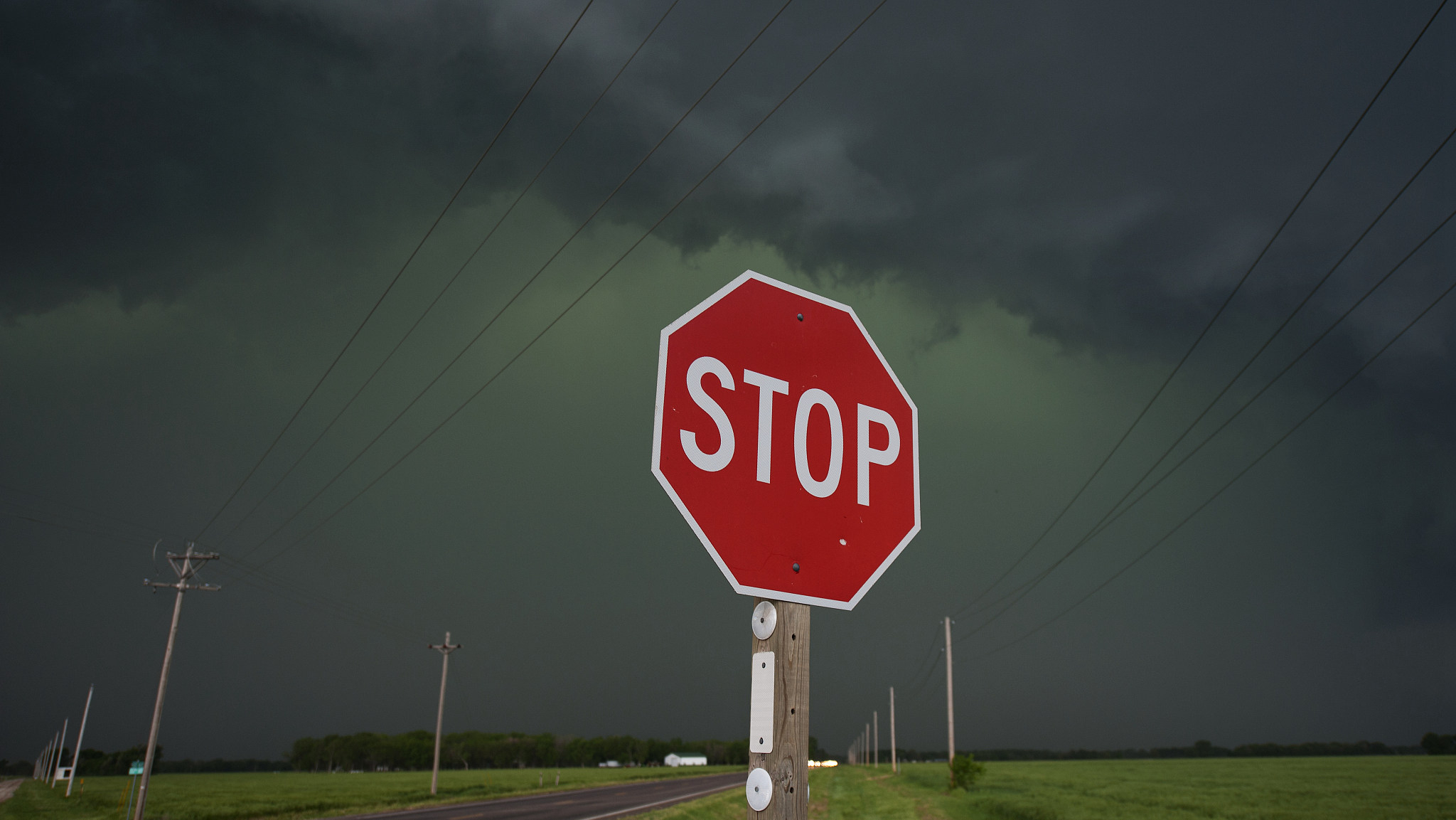
US President Donald Trump threatened to impose tariffs on another 267 billion US dollars of Chinese goods, in addition to the tariffs on 200 billion US dollars of Chinese products. China's Commerce Ministry responded with tariffs on an additional 60 billion US dollars of US goods. The next round of tariffs could impact thousands of consumer goods.
This tit-for-tat trade war has been on for over two months, and China seems to run out of tariffs to impose on the US from its arsenal. However, if the fighting continues, China may put other counteractions on the table, such as administrative red tapes for foreign companies operating within its border.
Communication from both sides is not making any progress, as no official phone calls were revealed since May 8. This deadlock indicates that the confrontation between the two biggest powers in the world, or the so-called "G2 countries", has reached an unprecedented height.
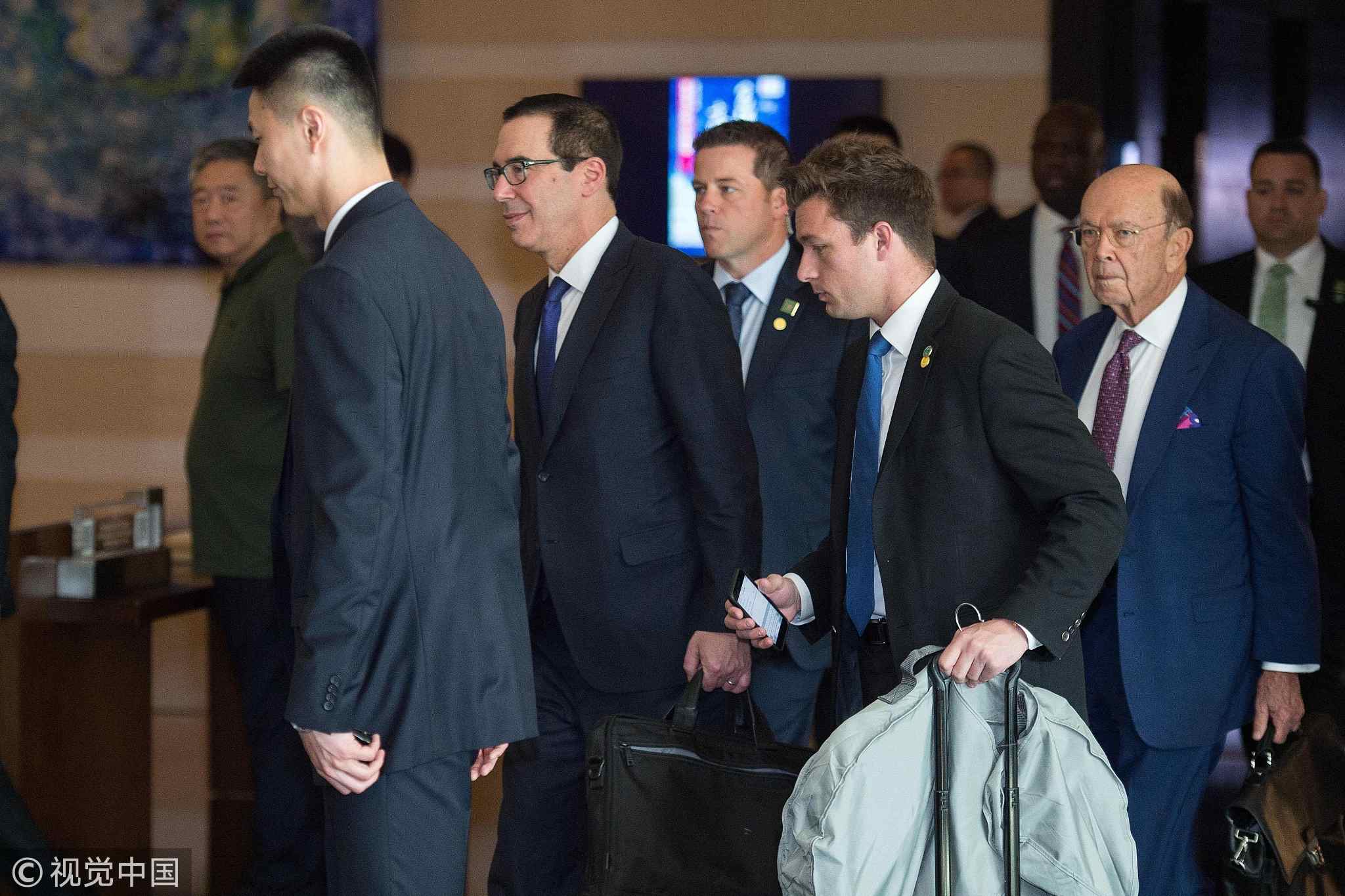
US Treasury Secretary Steven Mnuchin (3rd L) and US Commerce Secretary Wilbur Ross (R) walk through a hotel lobby as they head to the Diaoyutai State Guest House to meet Chinese officials in Beijing on May 4, 2018. /VCG Photo
US Treasury Secretary Steven Mnuchin (3rd L) and US Commerce Secretary Wilbur Ross (R) walk through a hotel lobby as they head to the Diaoyutai State Guest House to meet Chinese officials in Beijing on May 4, 2018. /VCG Photo
Liang Yan, an associate professor of Economics at Willamette University, said China is always willing to make concessions on the trade front, like reducing trade imbalance, lowering tariffs and making access to US business. However, Beijing also reckoned that "this is not just about trade".
"It's a testament to Washington's engagement plus containment approach to China", she said. "DC is under demands for rejecting negotiation."
Xu Qinduo, a senior researcher with Pangoal Institution, weighed in on the view, saying that the US is changing its China policy in an overall, geopolitics manner, which China has recognized. China is now making efforts to restrict the attack within the trade area. However, the negotiation did not come without any bottom lines.
"China is making compromises to prevent the escalation from areas like currency," said Xu. "But some demands are unacceptable, like abandoning the 'made in China 2025' strategy."
US President Trump has long been accusing China of issues regarding tech transfer, IP theft and subsidies. According to Jeff Moon, an International Trade and Government Affairs consultant and a former Assistant US Trade Representative for China, it is "widely believe China is not dealing with those issues", even after China's Premier Li Keqiang announced that China will "continue to reform and open up further, ease market access, equally treat Chinese and foreign companies, and protect intellectual property to make China an ideal investment destinations for foreign companies."
"We've heard these words many times," said Jeff. "Repealing china 2025 is certainly not realistic, but there are concrete steps that can be taken to address those long-standing problems."
In his view, now being the second largest economy in the world, China is distinct from what it was 15 years ago when it started to enjoy the favorable rules from WTO, and that it should take obligations as a developing country.
Liang Yan opposed to the view, suggesting that in terms of per capita using the purchasing power parity (PPP) rate, China ranks 79 on the official report from International Monetary Fund (IMF).
01:30

"China reaches barely one quarter of the level of the US," said Liang. "It is definitely a developing country."
Only with this consensus on the ground can one correctly interpret the progress that China has been making. According to Liang, China paid some 29 billion US dollars to the US for the use of its technology last year alone. More importantly, if what the US wants is to push China to work more on IP protection, then the escalation of tariff wars is "not going to win a concession from Beijing and will have negative impacts on both countries".
Critics from business owners and trade experts are questioning Trump's strategic goal of annoying almost every US neighbor and ally. As Canada remains tough on getting the best deal, a trilateral NAFTA deal has not come out as Trump expected. This dragging is distracting Trump from focusing his firepower on China.
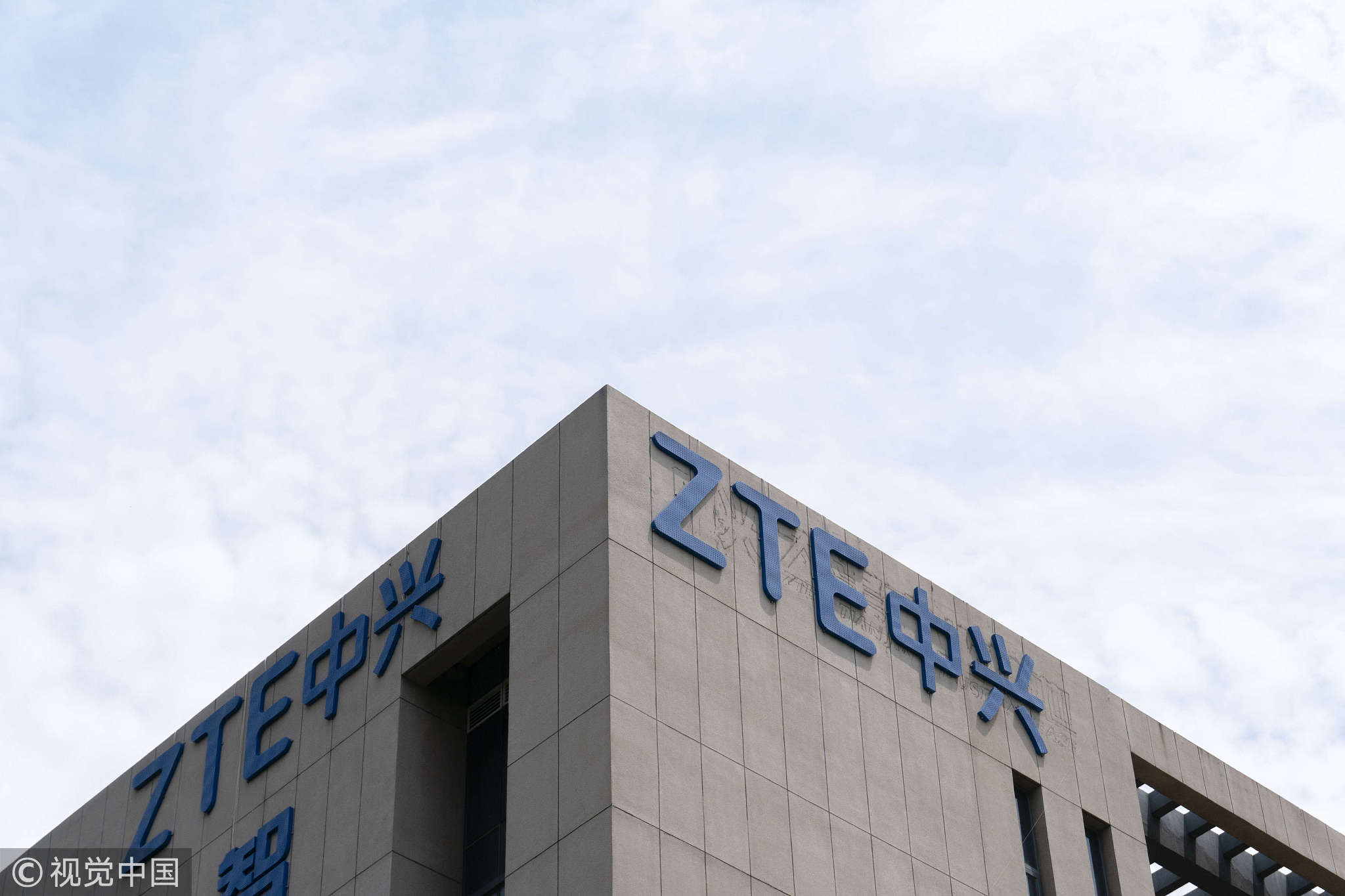
ZTE research institute, located in Tianjin Binhai New Area /VCG Photo
ZTE research institute, located in Tianjin Binhai New Area /VCG Photo
However, it worth noticing that the trade dispute between the US and its allies are different from the US-China trade war in nature. While the tariffs in other disputes are so-called "hyperbole" in Jeff's rhetoric, the tariffs on China mark a beginning of a systematic and strategic plan of containing China from further challenging the present dominant power in the world.
Merrill Matthews, a resident scholar with the Institute for Policy Innovation, said that once the market runs out of patience to wait for an end of the trade war, business owners will implement the contingency plans and change suppliers free from the impact of tariffs.
"The market is finding a way around the regulations as best as it can," said Merrill. "It could be changes that won't be reversed. It's hard to push back once it changed." And this is a tipping point where the trade war reaches a no-return stage.
The Heat with Anand Naidoo is a 30-minute political talk show on CGTN. It airs weekdays at 7:00 a.m. BJT and 7:00 p.m. Eastern in the United States.