
Business
22:16, 27-Apr-2018
Could Chinese chipmakers break US dominance?
 ["china"]
Share







Copied
02:25
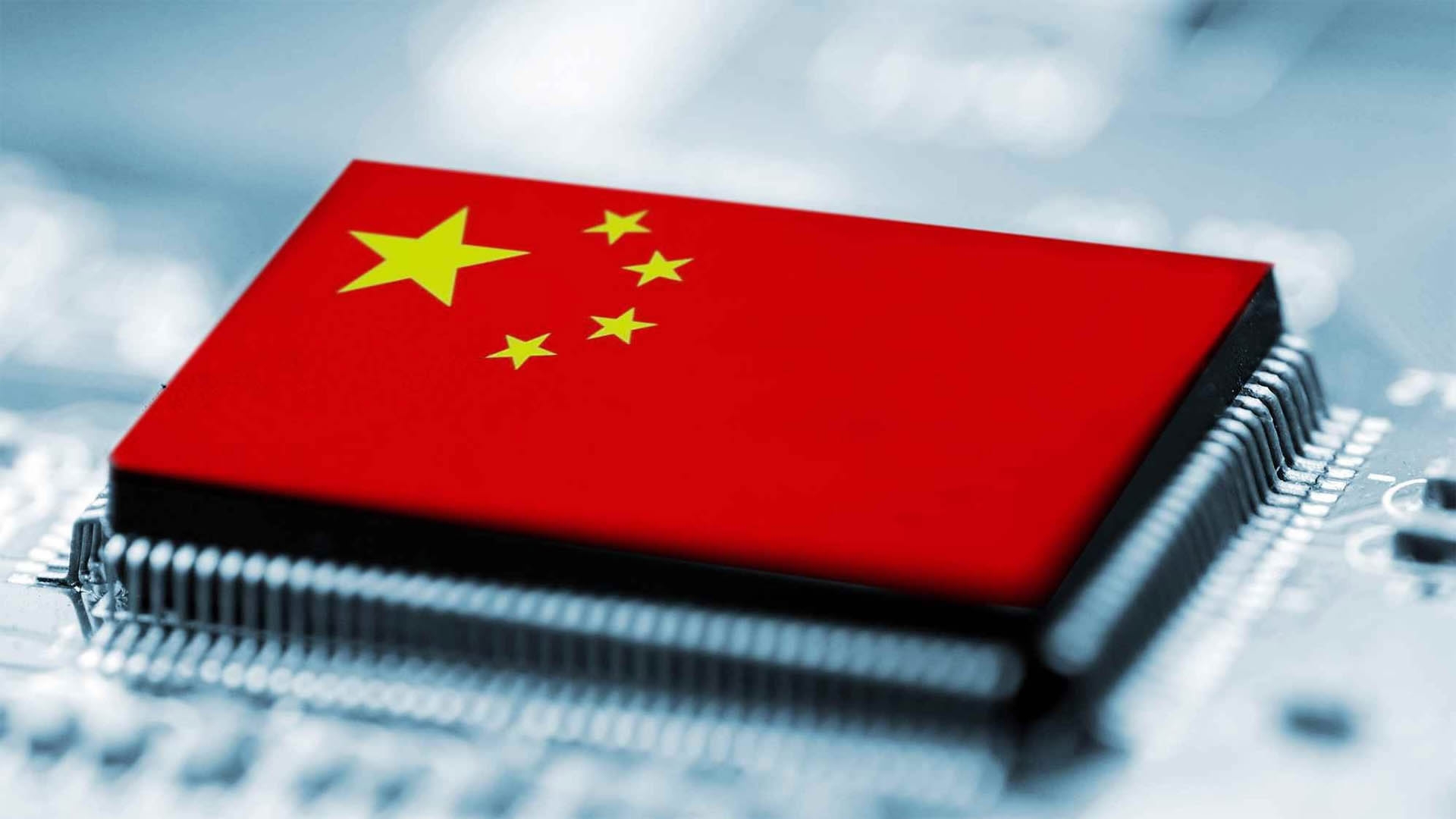
A huge amount of capital is going to be poured into chipmaking after the US imposed sanctions on Chinese telecommunication company ZTE.
China has already overtaken the US in AI startup funding, but are Chinese chipmakers strong enough to break the US dominance in the sector?
Horizon Robotics, one of the Chinese companies working to break the US dominance in chips, said their unique strength is not craftsmanship but understanding of applications and algorithms for chips.
“We come up with application scenarios, and create algorithms based on them, then build computer architecture based on those algorithms so that we can improve the performance of our chips," said Wu Qiang, vice president and chief cloud architect of Horizon Robotics
"We are working with Audi, Bosch, and partners in Japan and the US, to make sure our products can land in those markets to set up our own eco-system. That bodes well for our plan to have our chips embedded in 300 million autonomous cars by 2025," he added.
"We have a new R&D center in Nanjing. We are recruiting people without a computer background. We're interested in their knowledge in math, physics and biology and their passion for AI, to make them top talents,” Wu said, adding that the company won't have to import talents from overseas after training.
With capital and talents, AI is taking off in China, but the low profitability among chip startups is keeping investors at bay. Only cash-rich tech firms like Facebook and Alibaba have the courage to enter the business.
However, Kuantai Yeh of Qiming Venture Partners said even non-traditional giants like Facebook and Alibaba would just be tripping on the edge.
“China is increasingly focusing on producing quality chips, but we need to know that kind of efforts is not accelerated just simply by throwing a lot of money into it. So there needs to be patience,” he said.
The gap is relatively wide, but China has started to focus on individual sub-sectors of chips, as Kuantai Yeh said. He added that compared with American peers, Chinese chipmakers still need at least five years to catch up.