
Business
12:27, 04-Sep-2018
Turkish inflation hits 15-year high as central bank mulls interest rate hike
Updated
12:01, 07-Sep-2018
 ["other","Turkey"]
Share







Copied
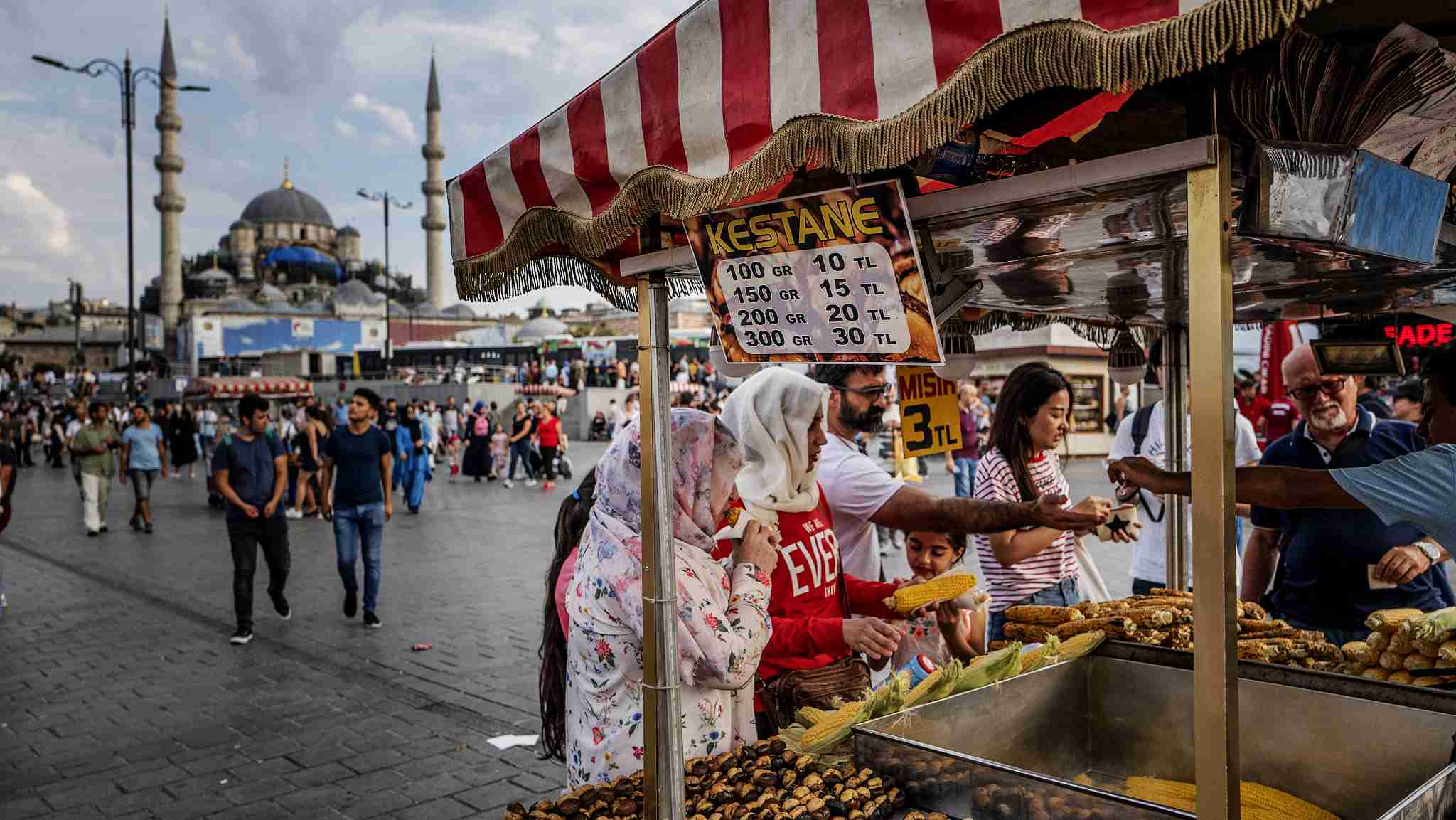
Turkish inflation accelerated in August at its fastest rate in 15 years, putting more pressure on the already weaker lira as the central bank hinted it would hike interest rates next week.
The Turkish annual consumer price index (CPI) hit 17.9 percent in August, up from 15.9 percent in July, with higher transport and energy costs driven by a sharply weaker lira, the state statistics institute said Monday.
The Turkish lira, which has lost more than 40 percent in value this year, fell 1.2 percent on Monday afternoon, trading at 6.62 against the US dollar.
The August reading also fuelled expectations that the central bank may increase the interest rate at its next policy meeting on September 13.
Shortly after the statistics agency issued the inflation data, the central bank said in a statement that the August data indicated "significant risks to price stability," vowing that "necessary actions" will be taken.
"The monetary stance will be adjusted," it added.
Turkish President Recep Tayyip Erdogan, however, has warned that higher interest rates are a drag on investment and will hurt his goal of propelling high economic growth.
Read more: Turkey's economic woes
Enver Erkan, an economic analyst from GMC forex, said in a note to clients that "all options are on the table" despite the central bank's tendency to raise the interest rate.
He also argued that actions regarding monetary policy would not prove sufficient to control inflation, pointing to the necessity for Turkey to follow structural reforms to make the economy more resilient to shocks.
Last week, Moody's rating agency downgraded 18 Turkish banks over concerns about their ability to refinance, as Turkey is confronted with a crunch of foreign investments amid its deepening row with the United States over the detention of an American priest charged with espionage.
The turmoil in the currency has put Turkish companies in a difficult position because some of them are in heavy FX-denominated debt.
Over the weekend, Hotic, a well-known Turkish shoe retailer, filed for bankruptcy protection because of cash flow problems linked to market volatility in Turkey. Observers say others will follow over similar problems.
The sell-off of the lira has increased the cost of food and petrol in Turkey, which is heavily dependent on energy imports.
Turkish authorities on Saturday raised natural gas prices by as much as 14 percent, while Turkey's energy regulator said it will soon raise electricity prices by 14 percent.
Source(s): Xinhua News Agency