From launching all-women ambulance services, taking up jobs as insurance investigators to driving a cab, women are now entering professions which were out of their reach just a few weeks ago. More than 120,000 women have applied for a driving license in Saudi Arabia following the historic decision.
The new-found freedom to drive might have given a chance to many women to go out on joy rides with other women friends, but many more have used that right, which came after decades of struggle, in a more meaningful manner.
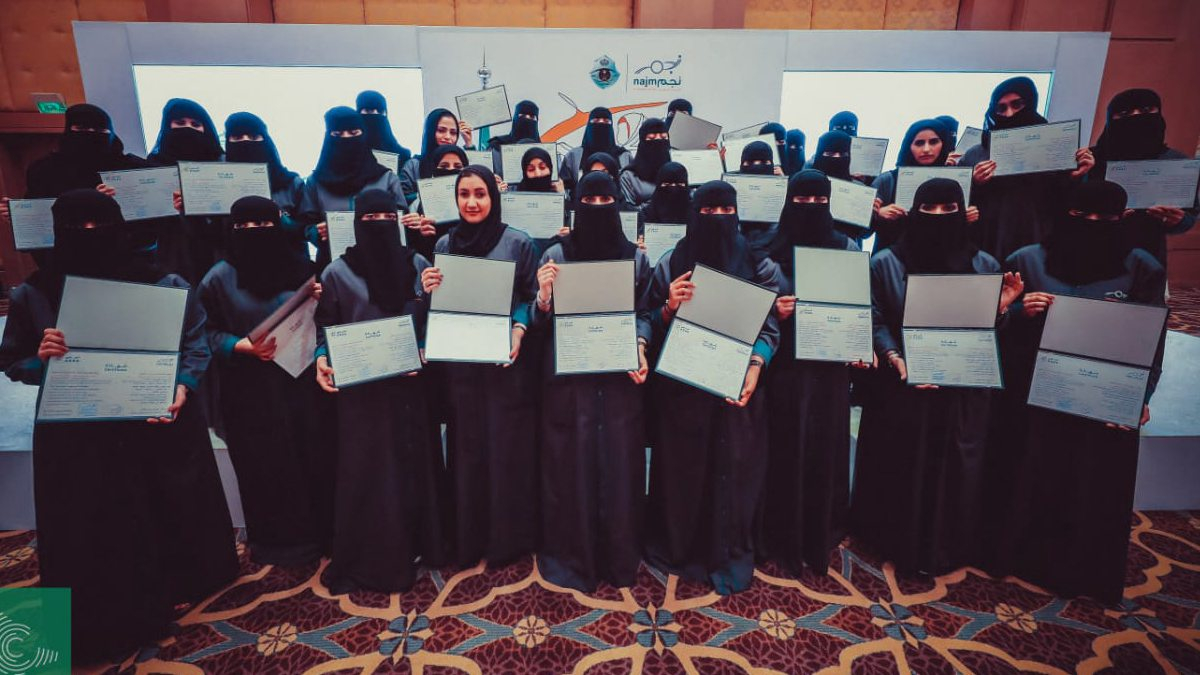
A ceremony honoring 40 new women graduates trained for traffic accident investigation and management was held at the Four Seasons Hotel in Riyadh on June 21. /Photo via CIC, Saudi Arabia
A ceremony honoring 40 new women graduates trained for traffic accident investigation and management was held at the Four Seasons Hotel in Riyadh on June 21. /Photo via CIC, Saudi Arabia
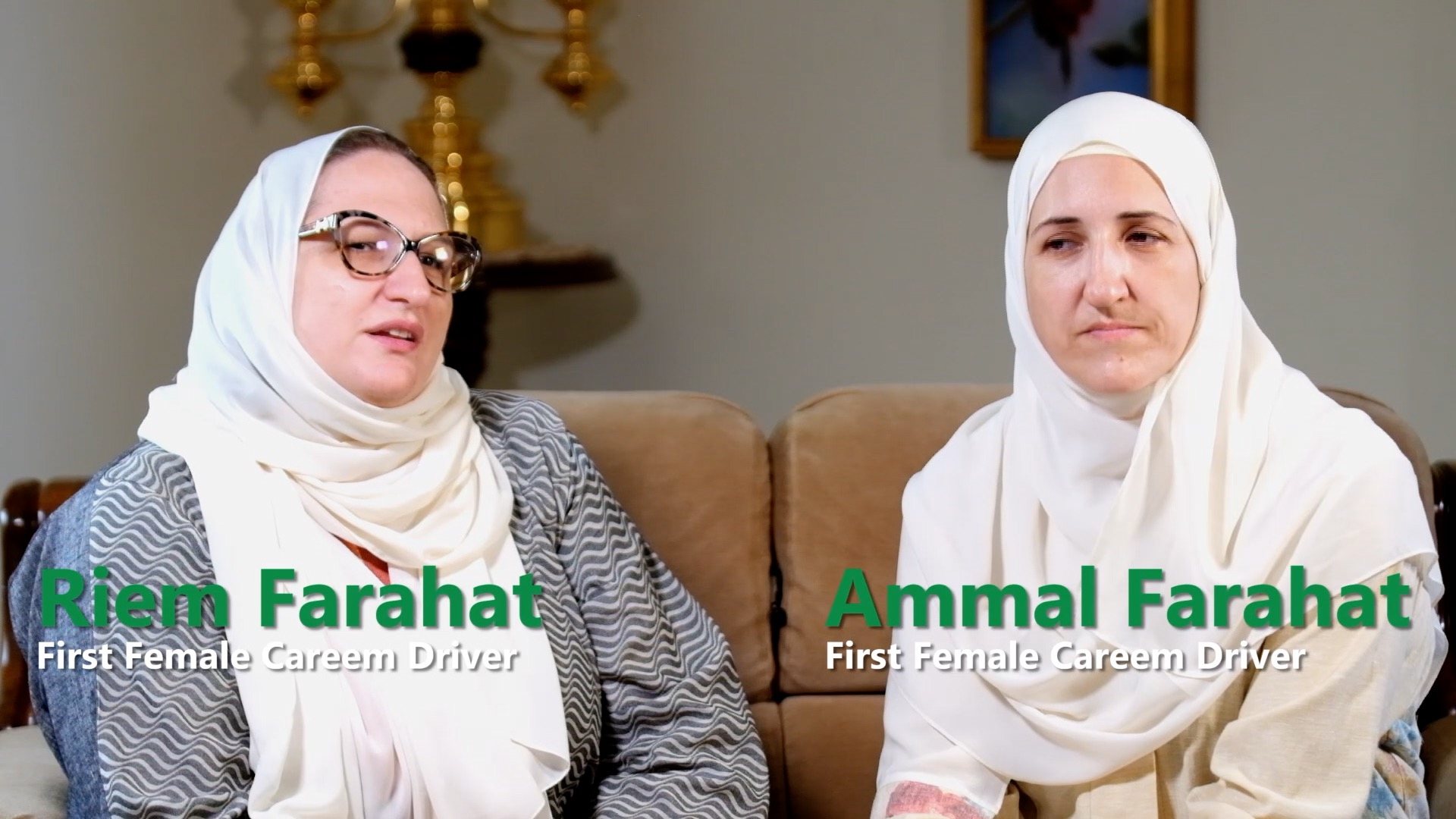
In the same league, two Saudi sisters, Riem Farahat and Ammal Farahat, have utilized their right to drive to fulfill a long-cherished childhood dream as they recently became the kingdom’s first women taxi drivers. They used their newly-procured driving licenses to sign up as “captainah” – a feminization of the Arabic word for captain – for regional ride-hailing service Careem.
“It all started when Careem congratulated women on their victory soon after the decision to lift the ban on driving was announced last year,” Riem recalled, in an interview exclusively provided to CGTN Digital by the Saudi Ministry of Media’s Center for International Communication (CIC).
“The first thing that I noticed was an ad from Careem to be a ‘captainah’,” said Ammal, adding “the ad triggered a memory… something that I had forgotten about when I was a kid.”
“I saw a movie about a female taxi driver and the stereotypes and the stigma around it. And at the time I saw her as a strong woman and I felt like when I grow up, I want to be like her,” Ammal said.
‘Appreciated and encouraged’
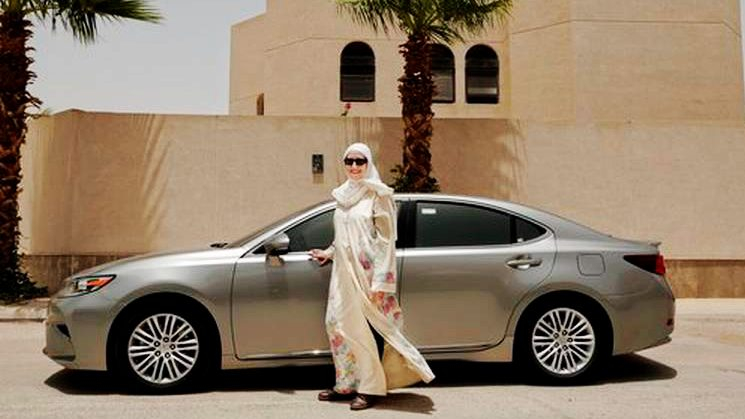
Ammal Farahat, who has signed up to be a driver for regional ride-hailing service Careem, poses for a photograph next to her car on a street in Riyadh, Saudi Arabia. /Photo via CIC, Saudi Arabia
Ammal Farahat, who has signed up to be a driver for regional ride-hailing service Careem, poses for a photograph next to her car on a street in Riyadh, Saudi Arabia. /Photo via CIC, Saudi Arabia
In the run-up to the reversal of the driving ban, many Saudi women were apprehensive about the kind of reaction the new reality might get from the conservative Saudi society. But more than a month after women began driving, there are no real signs of a backlash.
On the contrary, the Farahat sisters found the response of the society mostly supportive.
“One of things that we found really helpful was the kind attitude of the traffic police or police in general,” Ammal said, adding: “They have been very supportive and very cooperative with us. They are easily approachable and answer any kind of questions that we have.”
Riem concurred saying she has yet to encounter any major obstacles that could make her reconsider her career choice. “On the contrary, I feel appreciated and encouraged by everyone – men and women alike,” she said, admitting though that sometimes she does get bullied on social media.
More than 120,000 women have applied for a driving license in Saudi Arabia following the historic decision to revoke the decades-long driving ban on women. /Photo via CIC, Saudi Arabia
More than 120,000 women have applied for a driving license in Saudi Arabia following the historic decision to revoke the decades-long driving ban on women. /Photo via CIC, Saudi Arabia
The sisters say they joined the profession not for money but out of a passion for the new possibilities for women in Saudi Arabia. Riem has a postgraduate degree in quality management and is co-owner of an auditing firm. Her decision, she said, was driven by a desire to “celebrate freedom for women as well as to pay tribute to those who do this important job.”
“Many people look down on this profession [of taxi driving] as if it is perceived to be only for the uneducated. I wanted to prove this notion wrong,” she said.
Buoyed by the initial experience, Careem is planning to incorporate additional 20,000 women drivers into its fleet by 2020. “We have a presence in many countries in the region – for example, the UAE, Pakistan and Bangladesh - but nowhere have we received such an overwhelming response from women as in Saudi Arabia. It has exceeded all our expectations,” said Murtadha Al Alawi, communications manager of the ride-hailing company.
Stressing that the development is being applauded both inside and outside the kingdom, Alawi said: “It is a new chapter for Saudi Arabia and it is encouraging to see the support coming from all of society to accept women behind the wheel and in the workplace.”
Women ambulances, investigators and notaries
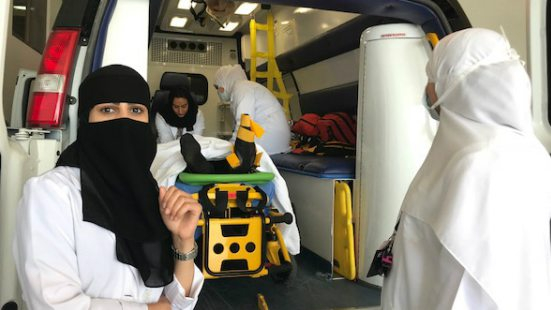
A group of women doctors from a government hospital in Saudi Arabia’s eastern city of Khobar launched an all-women ambulance service that responds only to emergency calls from women in the province. /Photo via Al Arabiya
A group of women doctors from a government hospital in Saudi Arabia’s eastern city of Khobar launched an all-women ambulance service that responds only to emergency calls from women in the province. /Photo via Al Arabiya
Ride-hailing services are not the only way women are making driving a profession. A group of women doctors from a government hospital in Saudi Arabia’s eastern city of Khobar launched an all-women ambulance service that responds only to emergency calls from women in the province.
Team member Amal Al Sulaibekh was quoted by Al Arabiya English as saying that the group are on call around the clock and are using the service as a learning experience. Their mettle will certainly be tested when the upcoming Hajj pilgrimage later this month brings some two million Muslims from around the world to Saudi Arabia.
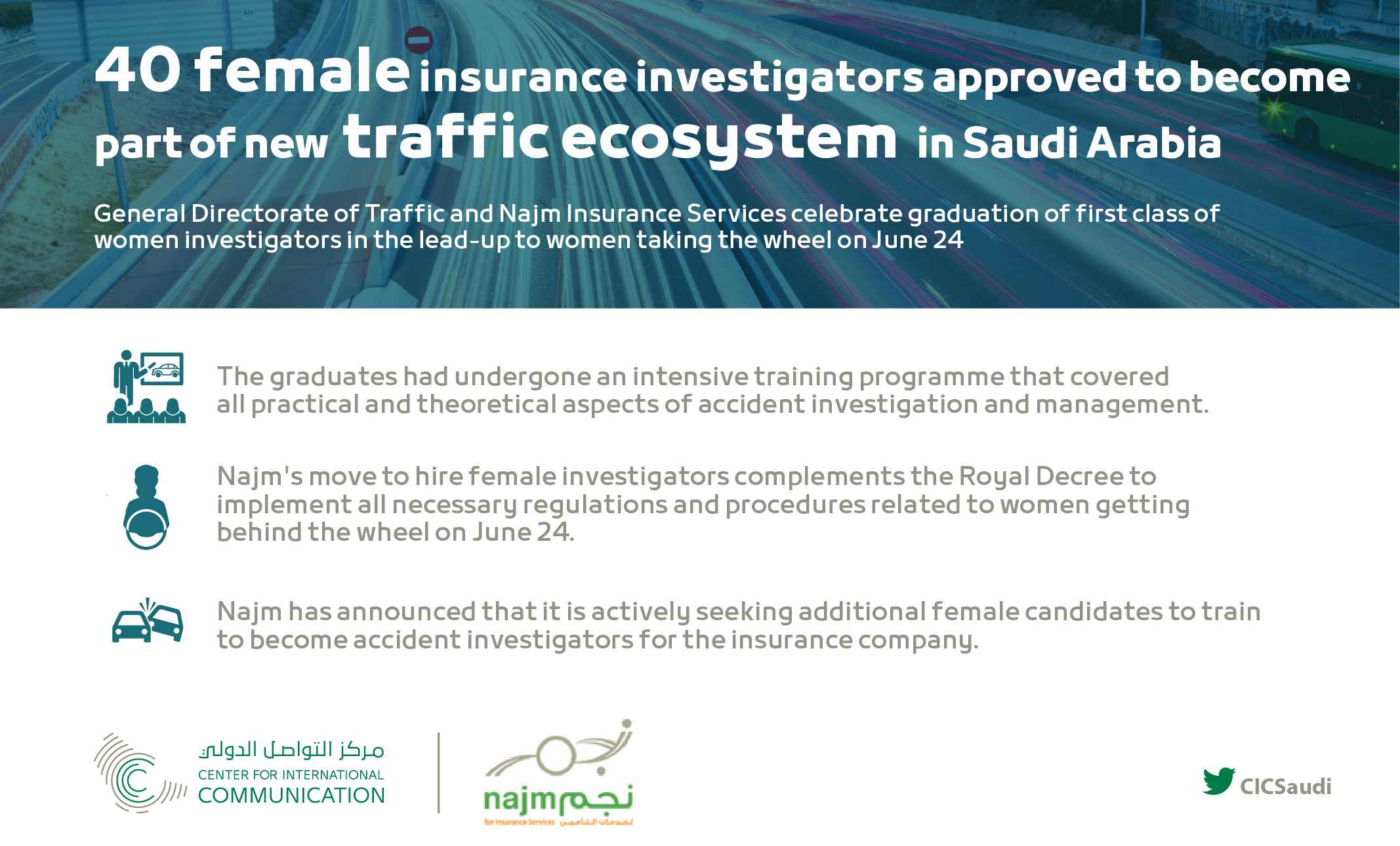
Also, just days before the driving ban was lifted, a group of 40 women insurance investigators were felicitated at an event in Riyadh in a sign of the new traffic ecosystem being created in Saudi Arabia as more and more women take the wheel.
The women graduated from a joint program of the Saudi General Directorate of Traffic and Najm Insurance Services for training traffic accident investigation and management.
Maha Al Shanifi, general manager of corporate communications and marketing at Najm, on that occasion had said that the move reflects the importance of empowering women to be productive members of society, and pointed to the investigators’ positions as a means of achieving that, according to a CIC press release.
Photo via CIC, Saudi Arabia
Photo via CIC, Saudi Arabia
Meanwhile, other crucial areas such as the legal services and judiciary, which were off bound for women earlier, have also seen the entry of women professionals in recent times as part of the Vision 2030 socio-economic reforms being spearheaded by the Saudi Crown Prince Mohammed bin Salman.
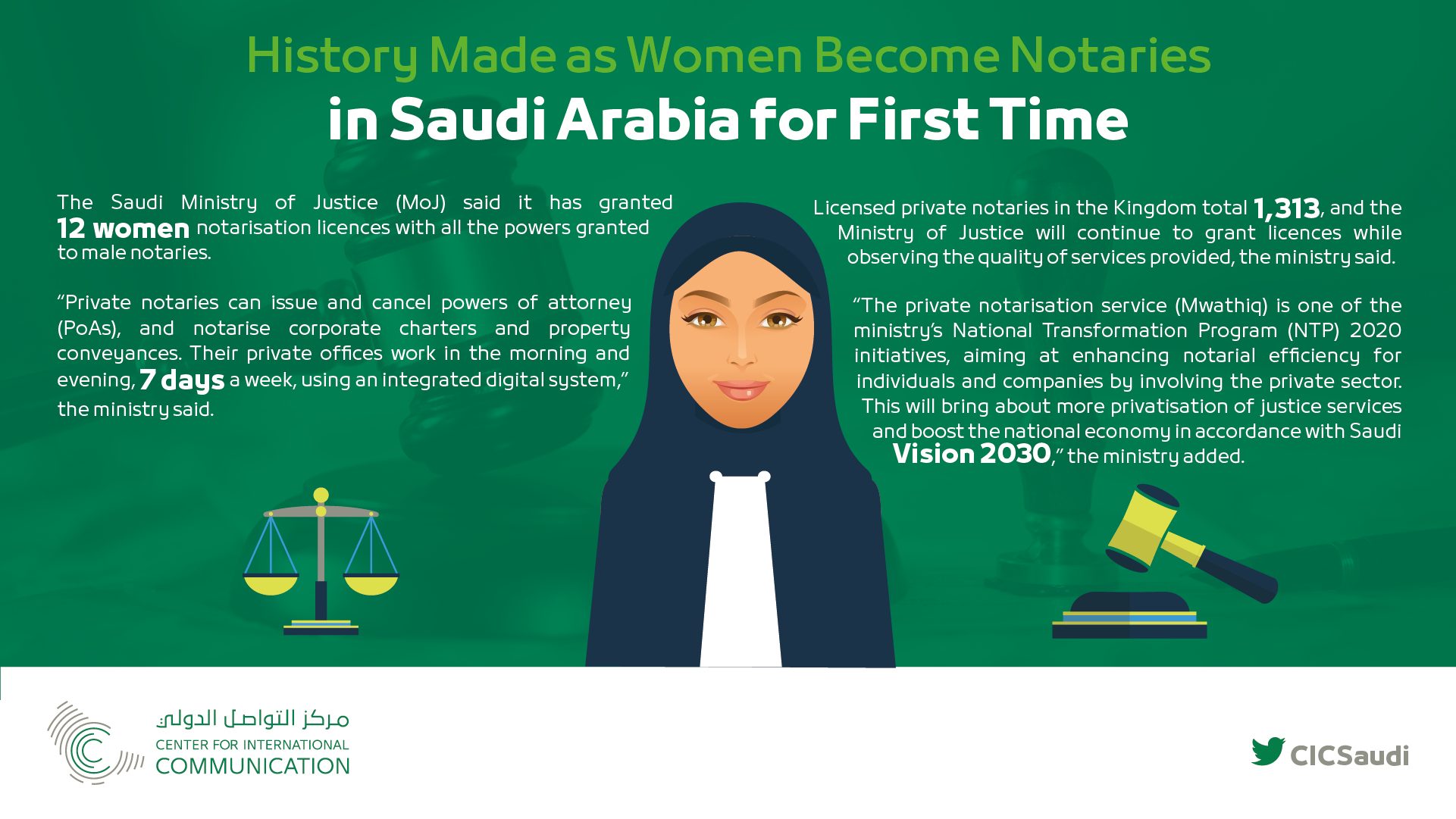
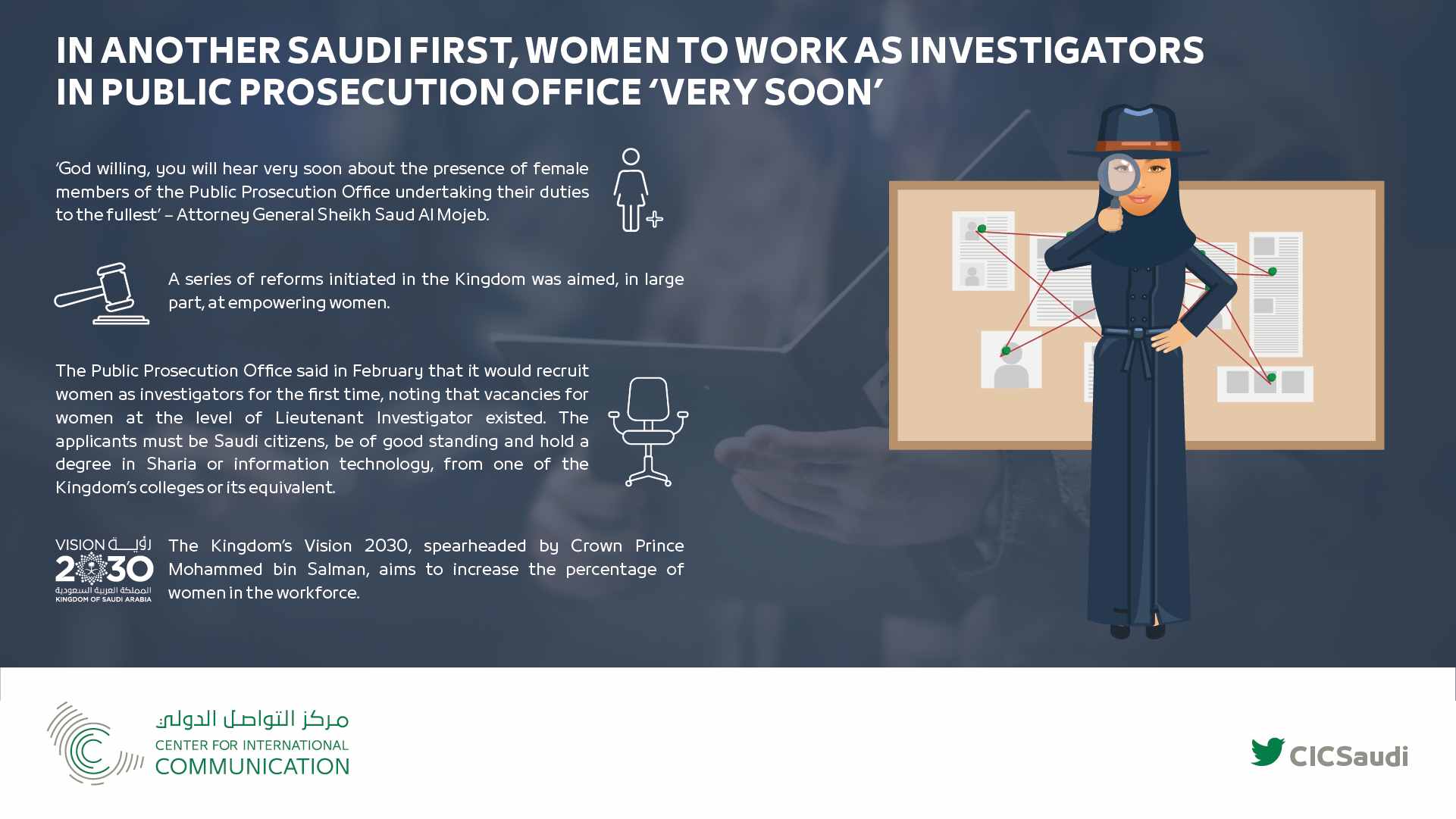
The Saudi Ministry of Justice last month granted notarization licenses to 12 women for the first time making them at par with male notaries. Subsequently Saudi Attorney General Sheikh Saud Al Mojeb announced that women will start working as investigators at the Public Prosecution Office “very soon”.
Photo via CIC, Saudi Arabia
Photo via CIC, Saudi Arabia
“We have held workshops for the rehabilitation of members and staff of the Public Prosecution, both inside and outside the Kingdom, and you will hear in the near future about lengthy and mandatory courses for prosecutors,” Mojeb said, according to a CIC press release.
Earlier in January, the Ministry of Justice announced that it plans to recruit 300 women as social researchers, administrative assistants, Islamic jurisprudence researchers and legal researchers.

 ["other","Middle East"," Saudi Arabia"]