
World
11:47, 10-Jul-2018
Let women in England take abortion pills at home, say medical experts
Updated
11:10, 13-Jul-2018
 ["china"]
Share







Copied
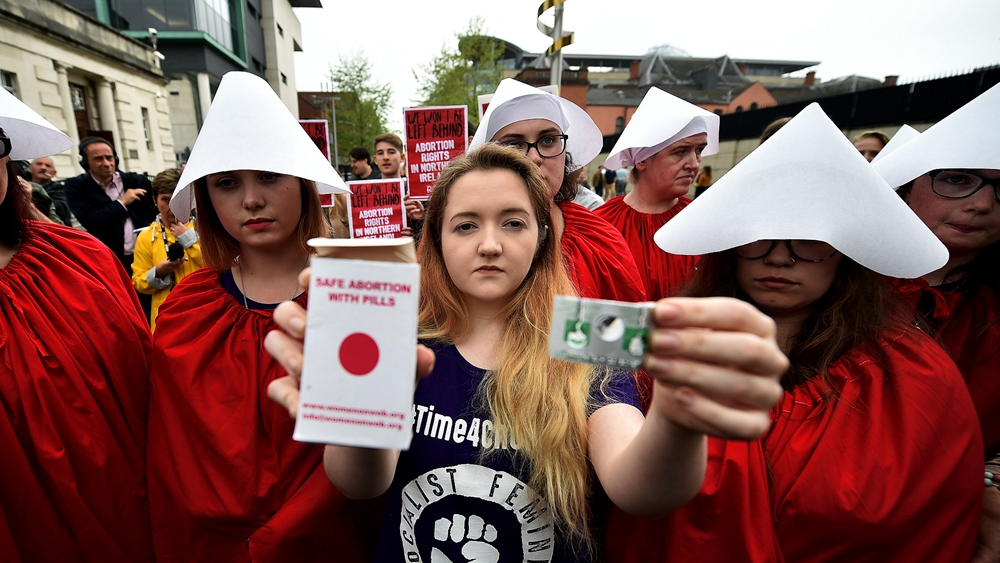
Women in England should be able to take abortion pills at home to avoid the "distressing experience" of suffering pain and heavy bleeding while returning from hospitals and clinics, medical experts said on Monday.
Studies suggest that it is safe for women to take abortion drugs at home instead of in a clinic and allowing them to do so does not increase abortion rates, according to an editorial published in the British Medical Journal (BMJ).
"Women's preference for home administration is easy to grasp: it allows for greater privacy, better control over timing, and better emotional support from family, while also reducing the burden on healthcare facilities," it said.
After seeking medical advice, women will normally take the drug mifepristone followed by misoprostol a day or two later.
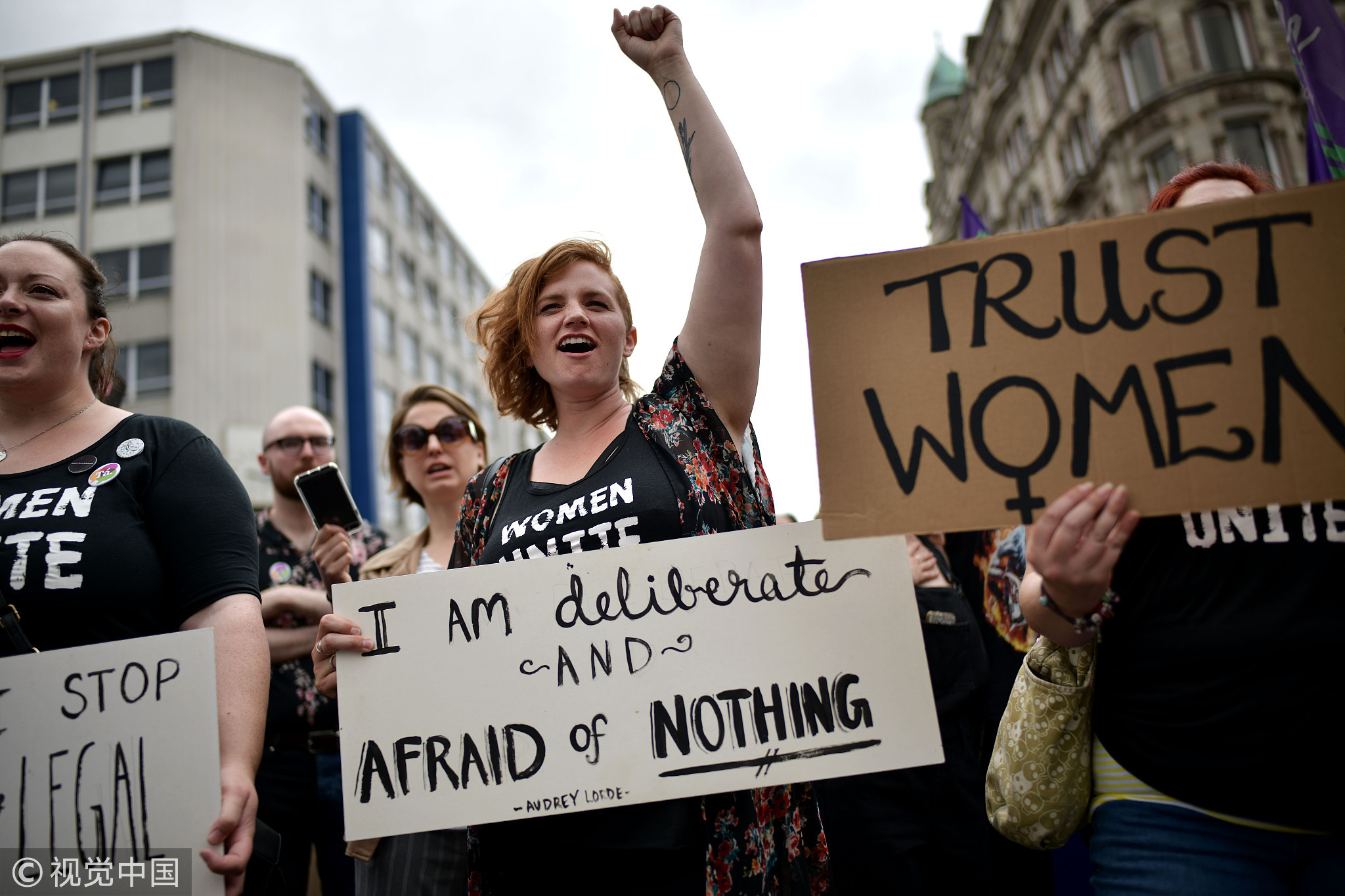
Pro choice activists take part in the Rally for Choice demonstration at Belfast City Hall in Belfast, Northern Ireland, July 7, 2018. Abortion laws in Northern Ireland differ greatly to the rest of the UK and abortion is only available to women in very specific circumstances. /VCG Photo
Pro choice activists take part in the Rally for Choice demonstration at Belfast City Hall in Belfast, Northern Ireland, July 7, 2018. Abortion laws in Northern Ireland differ greatly to the rest of the UK and abortion is only available to women in very specific circumstances. /VCG Photo
Since the second dose can cause an abortion within an hour, which leads to heavy bleeding, women in Scotland have the option of taking the drug at homes.
That will soon be extended to Wales, but in England, women must take both pills at a hospital or abortion clinic, which means they can find themselves bleeding and in severe pain on their way home, the BMJ editorial said.
"Misoprostol can cause an abortion to start within an hour, resulting in pain and heavy bleeding on the journey home from hospital – an unacceptably distressing experience," it said.
The editorial was co-authored by experts from Britain's National Health Service, the British Society of Abortion Care Providers and the Royal College of Obstetricians and Gynaecologists.
They said poorer women in England ran the risk of missing their second visit to the hospital or abortion clinic as they may not be able to afford time off work.
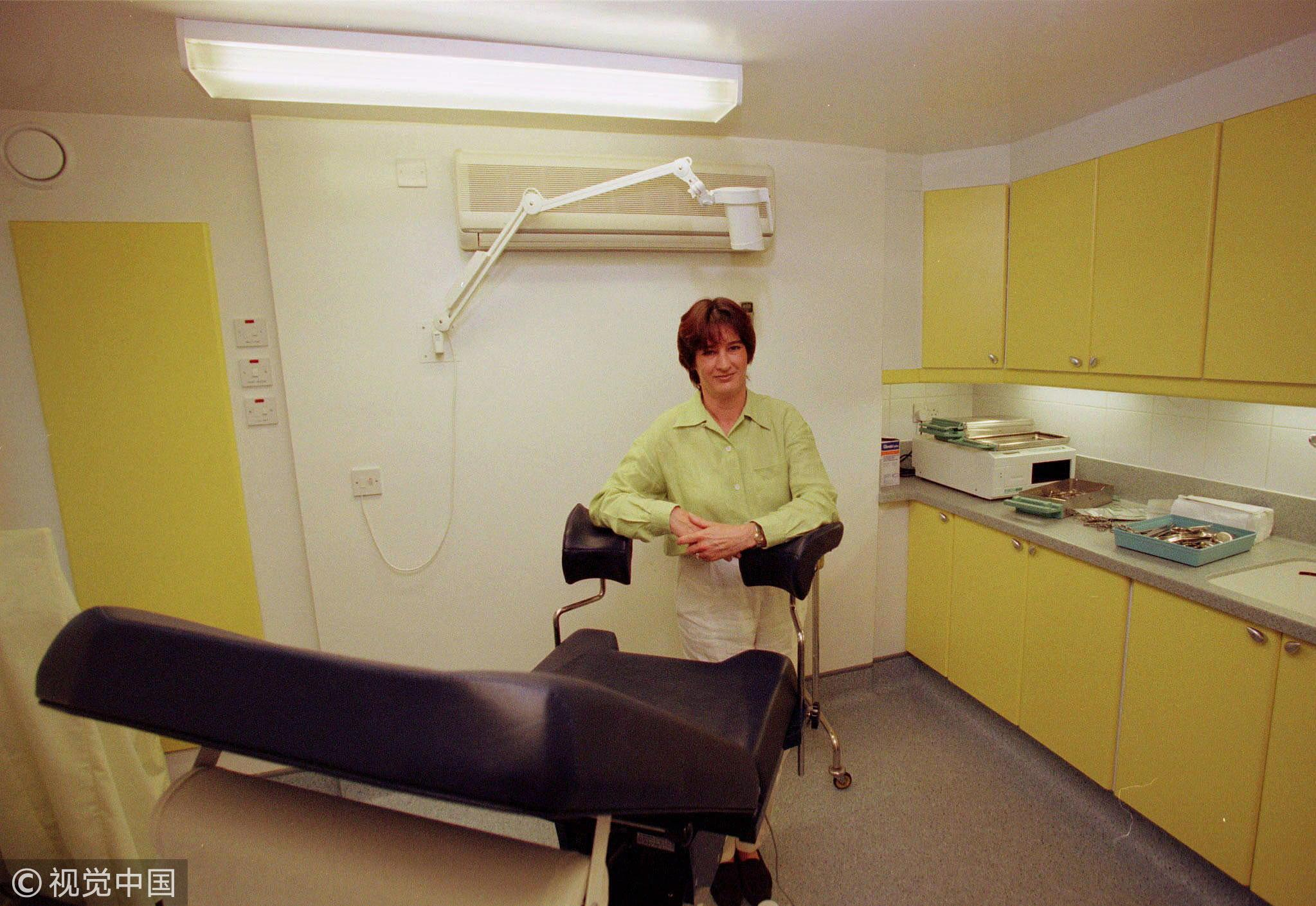
Helen Axby, UK Director of women's health charity, Marie Stopes International, poses in the treatment room of their London headquarters, June 28,1997. /VCG Photo
Helen Axby, UK Director of women's health charity, Marie Stopes International, poses in the treatment room of their London headquarters, June 28,1997. /VCG Photo
Marie Stopes UK, which runs abortion clinics, said England should follow in the footsteps of Wales, Scotland, the US and Norway and let women take the pill at home.
"There's no reason why women should be unable to take the second abortion pill at home," said Caroline Gazet, Clinical Director at Marie Stopes UK.
"Under the current rules, women are expected to race home from the clinic before the pills take effect, compromising their privacy and dignity," she said.
Last week a British court upheld a ban on protests outside a London abortion clinic run by Marie Stopes UK.
Authorities in west London introduced the ban, the first of its kind in Britain, in April after clashes between pro- and anti-abortion campaigners that they said intimidated patients.
Two-fifths of women still live in countries where abortion is banned or highly restricted, according to a March report by the Guttmacher Institute, the most comprehensive study on global abortion trends in a decade.
However the increased use of the abortion-inducing drug misoprostol has improved safety, it added.
Source(s): Reuters