
Movie/TV
21:26, 07-May-2019
Interview with Francis Guo, director of sci-fi blockbuster 'The Wandering Earth'
Updated
21:50, 07-May-2019
 ["china"]
Share







Copied
03:58
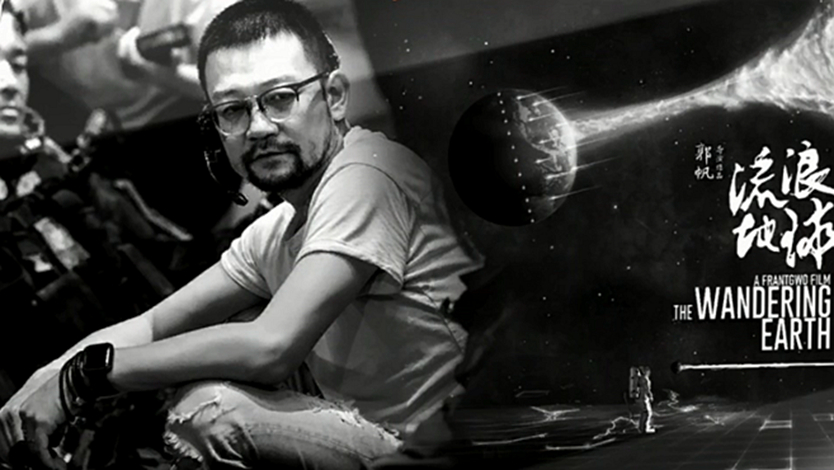
In the four months since the Chinese film "The Wandering Earth" opened in theaters, it has held a prominent spot in the country's box office. The movie has raked in 4.7 billion yuan (nearly 700 million U.S. dollars) and won top honors at the recent Beijing International Film Festival. Its director Francis Guo has also become a household name across China.
With "The Wandering Earth" honored at the 9th Beijing International Film Festival, Francis Guo solidified his position as a major director in China's flourishing film industry.
Guo spent almost four years making the breathtaking space drama, which surprised many film critics as few had expected a Chinese sci-fi flick with such impressive production value.
But for Guo, the sci-fi genre has been a dream since his high school days.
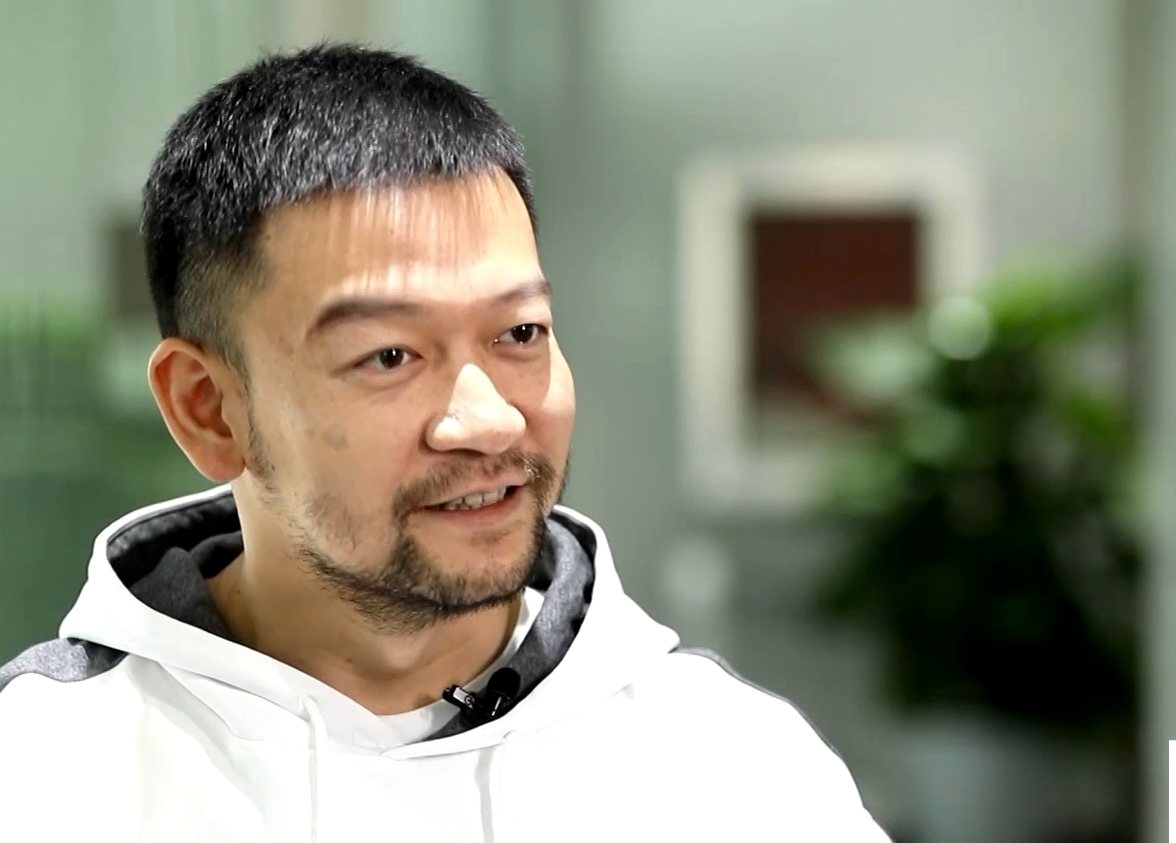
Francis Guo, director of sci-fi movie "The Wandering Earth." /CGTN Photo
Francis Guo, director of sci-fi movie "The Wandering Earth." /CGTN Photo
"It was the mid-1990s. China had just started to import movies from overseas. And I saw 'The Terminator Two' by James Cameron," Guo recalled, "I was mesmerized and became determined to make a film, a sci-fi film. So I decided to study filmmaking when I got into college."
But in a strange twist of fate, Guo ended up as a law major in college. Although he devoted all his leisure time to making short films, he failed to land a job in the film industry.
Upon graduation, he began working for a TV station in post-production. In 2009, he took a graduate course at the Beijing Film Institute. Three years later, he finally directed his first film, a comedy.
His second film was a love story. Its box office success led him to a month-long study at Paramount in Hollywood, which opened his eyes.
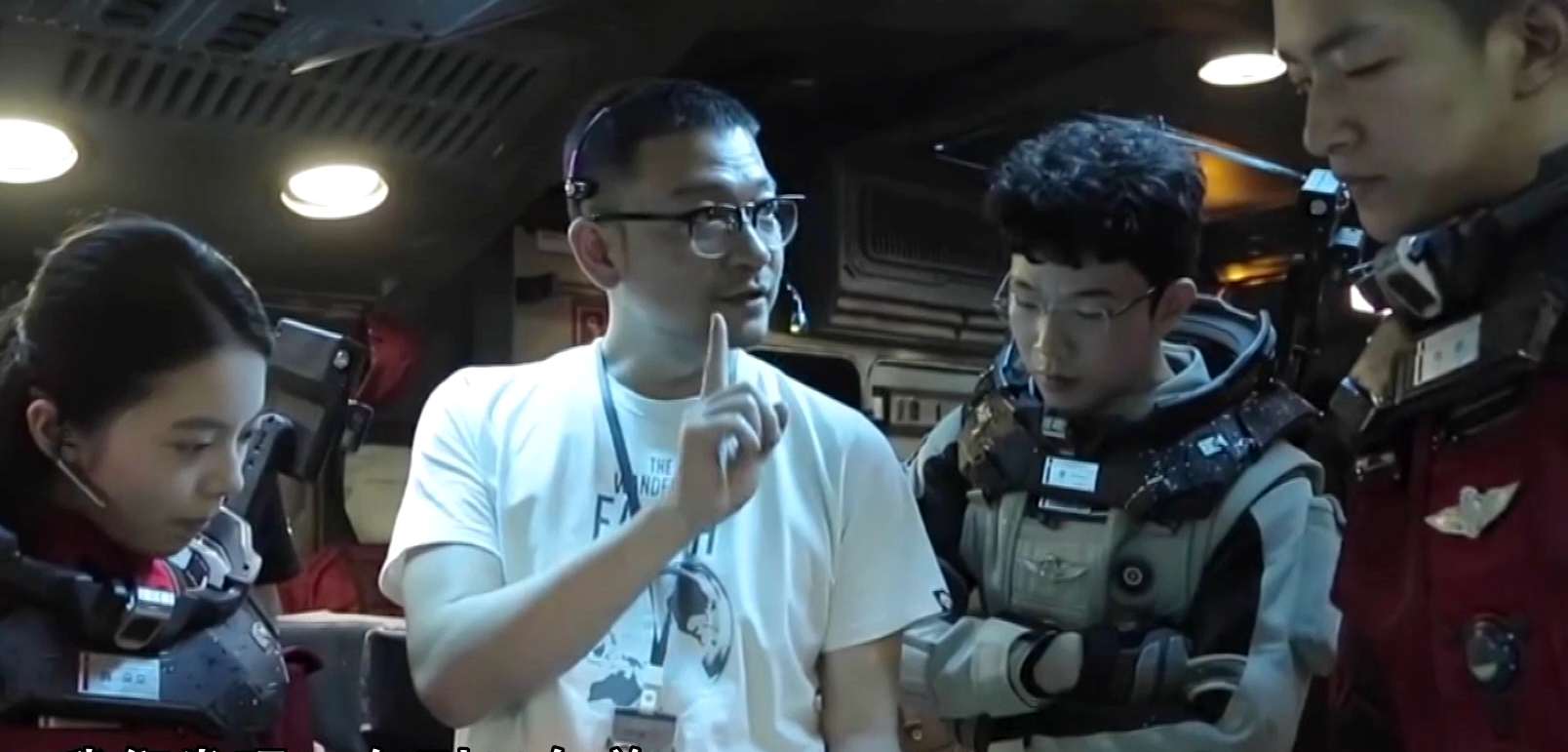
Director Francis Guo talks to the actors at a shooting location. /CGTN Photo
Director Francis Guo talks to the actors at a shooting location. /CGTN Photo
"It began to dawn on me that we were lagging behind by at least 25 years in filmmaking. Perhaps we're not so backward in effects, for which there might be a gap of 15 years," Guo said.
"Even our crew organization and division of labor was insufficient. Some vital departments and posts were simply non-existent. We had to rebuild the team and retrain ourselves. More challenging was the management know-how, such as coordination between departments and how people work together. I also learned a great deal about the director's craft, like how to guide the actors' emotions."
As Guo's craft improved, his work on an early film about time travel earned him the offer to direct "The Wandering Earth," a screenplay adapted from a sci-fi short story.
While trying to launch the project, Guo was met with mistrust about the viability of a Chinese sci-fi film.
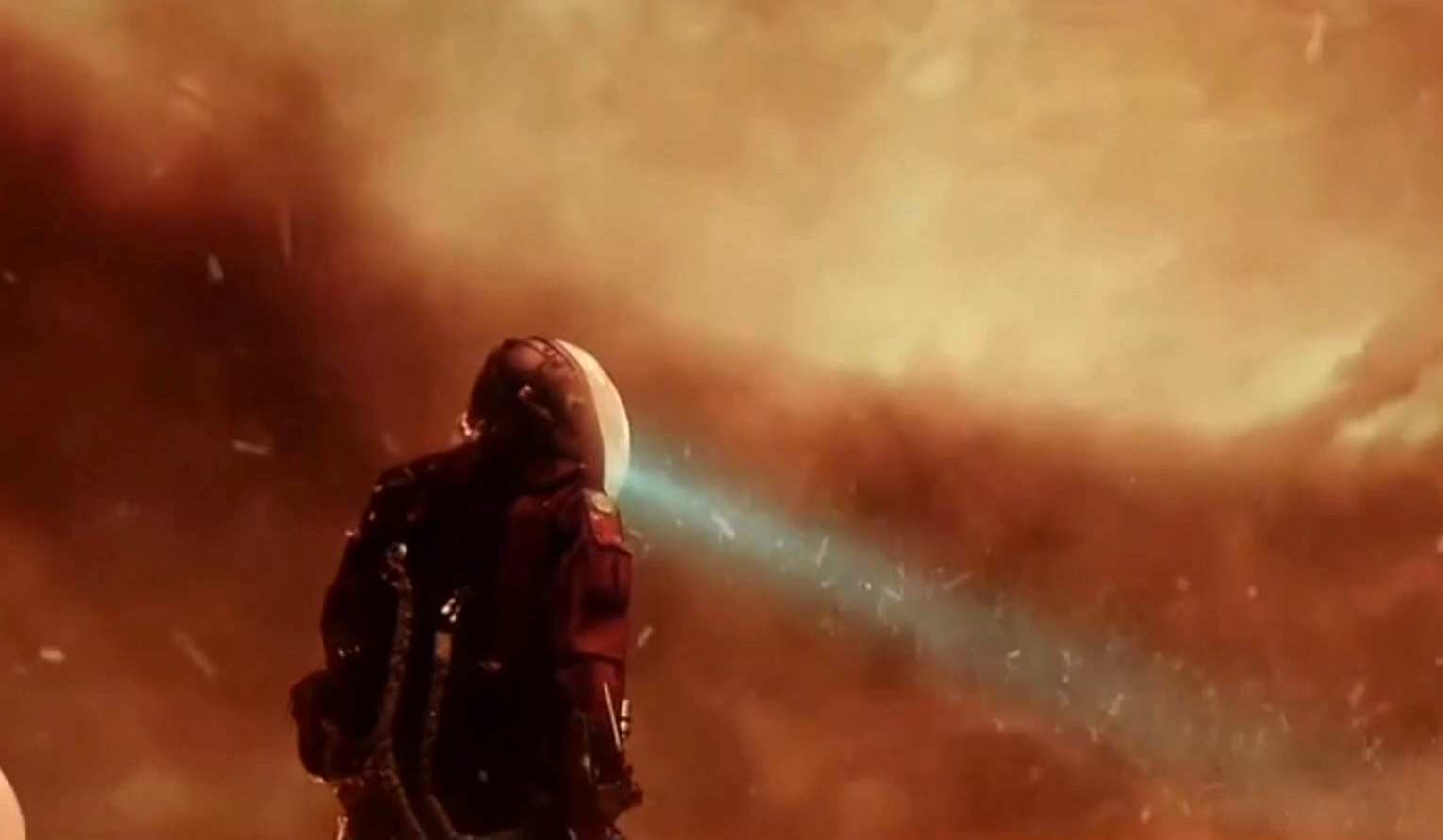
A still from sci-fi movie "The Wandering Earth." /CGTN Photo
A still from sci-fi movie "The Wandering Earth." /CGTN Photo
"On every step we encountered suspicions. They simply refused to believe we could pull off the job," said Guo.
"From the screenplay to production design, we had to prove ourselves and convince the investors. It's a drawn-out process and very exhausting. I'm so glad we stuck to our goal."
During the four years of making the film, Guo talked with all major special effects studios in China. Though trying to make a distinctly Chinese sci-fi film, he also enlisted the help of international colleagues.
"I've found it's a stimulating experience to work with effects artists from abroad. And it also strengthened my conviction about our strength. Our strength is the intimate understanding of the tastes of the Chinese audience," Guo said.
"The Wandering Earth" is widely regarded as a milestone in China's sci-fi filmmaking. For Guo, the future of the genre in China lies with the exploration of the Chinese understanding of hope, responsibility, and attachment to the homeland.
(Cover: A poster featuring Francis Guo, director of Chinese sci-fi movie "The Wandering Earth." /CGTN Photo)