
Robot
14:40, 04-Oct-2018
RoboBusiness explores the future of robots in the workplace and at home
Updated
13:40, 07-Oct-2018
 ["china"]
Share







Copied
As I wander the expo floor of RoboBusiness 2018, I see a presentation with an eye-catching title: Saving Your Marriage With Robotics.
The founder of the company of FoldiMate is on stage, but unfortunately he doesn't have his technology to demo there. But he does show us a video of Foldimate, a robot-like contraption that proceeds to fold clothes.
FoldiMate claims it can fold an average laundry load of between 20 to 40 items in about 2 to 4 minutes.
But at an estimated price of 980 US dollars, is it worth it?
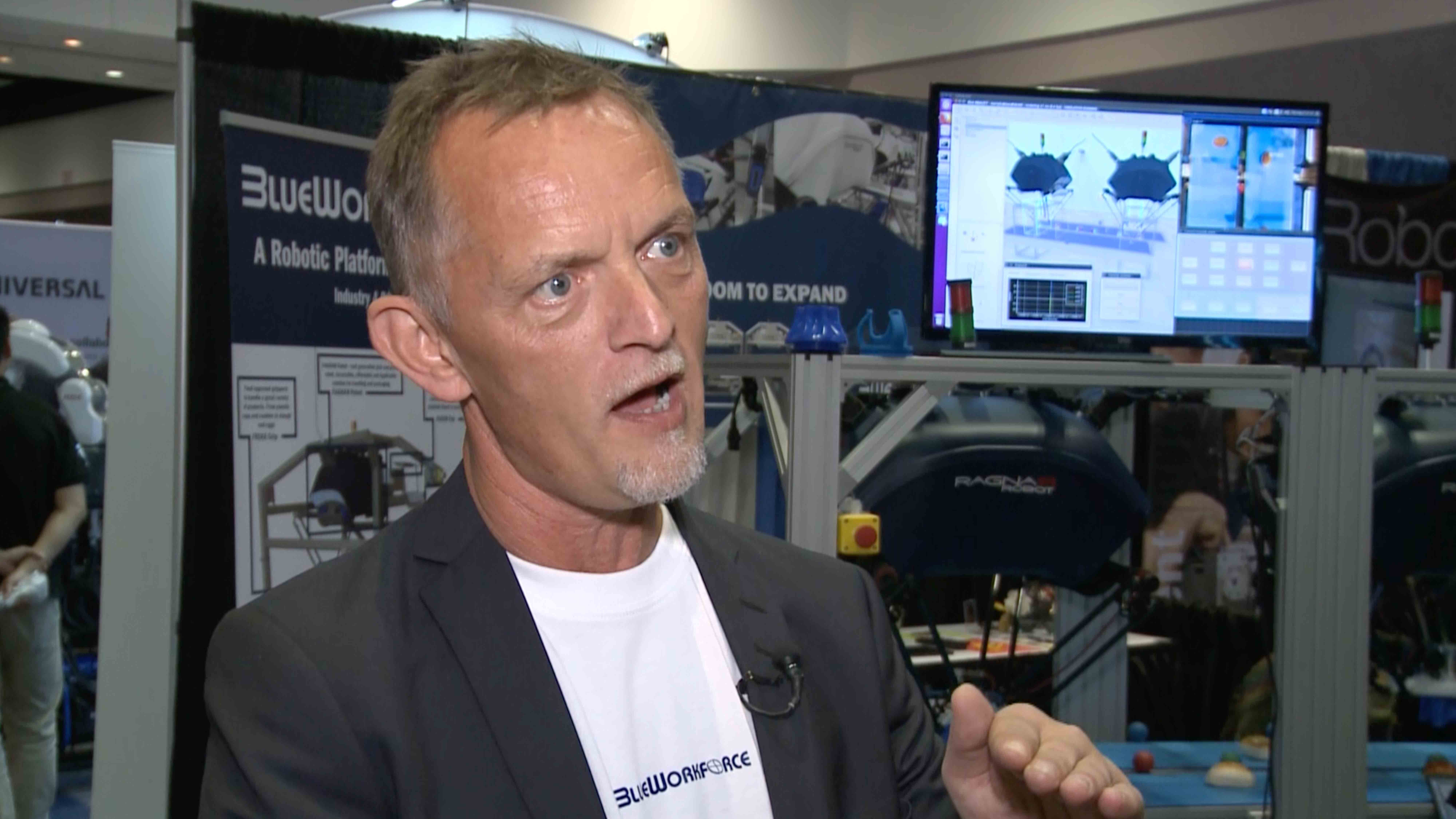
Cutting costs is a key focus of another technology on display – the RAGNAR Robot Solution from BlueWorkForce.
Using computer vision, robotic arms and gripper technology, the robotic system is picking up and setting down what appears to be baked Chinese buns.
In fact, the company's founder and CEO, Preben Hjornet says it is handling everything from sushi to tofu.
He says anyone can lease their system at a cost of just four US dollars per hour.
That certainly sounds like a steal. But will it end up stealing jobs? Here's what Hjornet had to say:
00:38
But at the event, ethicists also took on the concerns of the future of robotics, in light of the rapid development of artificial intelligence (AI).
Brian Green recently started the division of Technology Ethics at the Markkula Center for Applied Ethics at Santa Clara University.
When asked on stage how concerned on a scale of 1 to 10, with 10 being the most worried, he was about the future of Robotics and AI, he answered by saying "8 or 9."
His main concern was the development of AI in weapons systems, fearing that he could easily envision such technologies getting out of human control.
In fact, technologies like self-driving cars are already beginning to cede control to AI algorithms.
But when asked about the impact on AI and jobs, Green also expressed his fears.
00:17
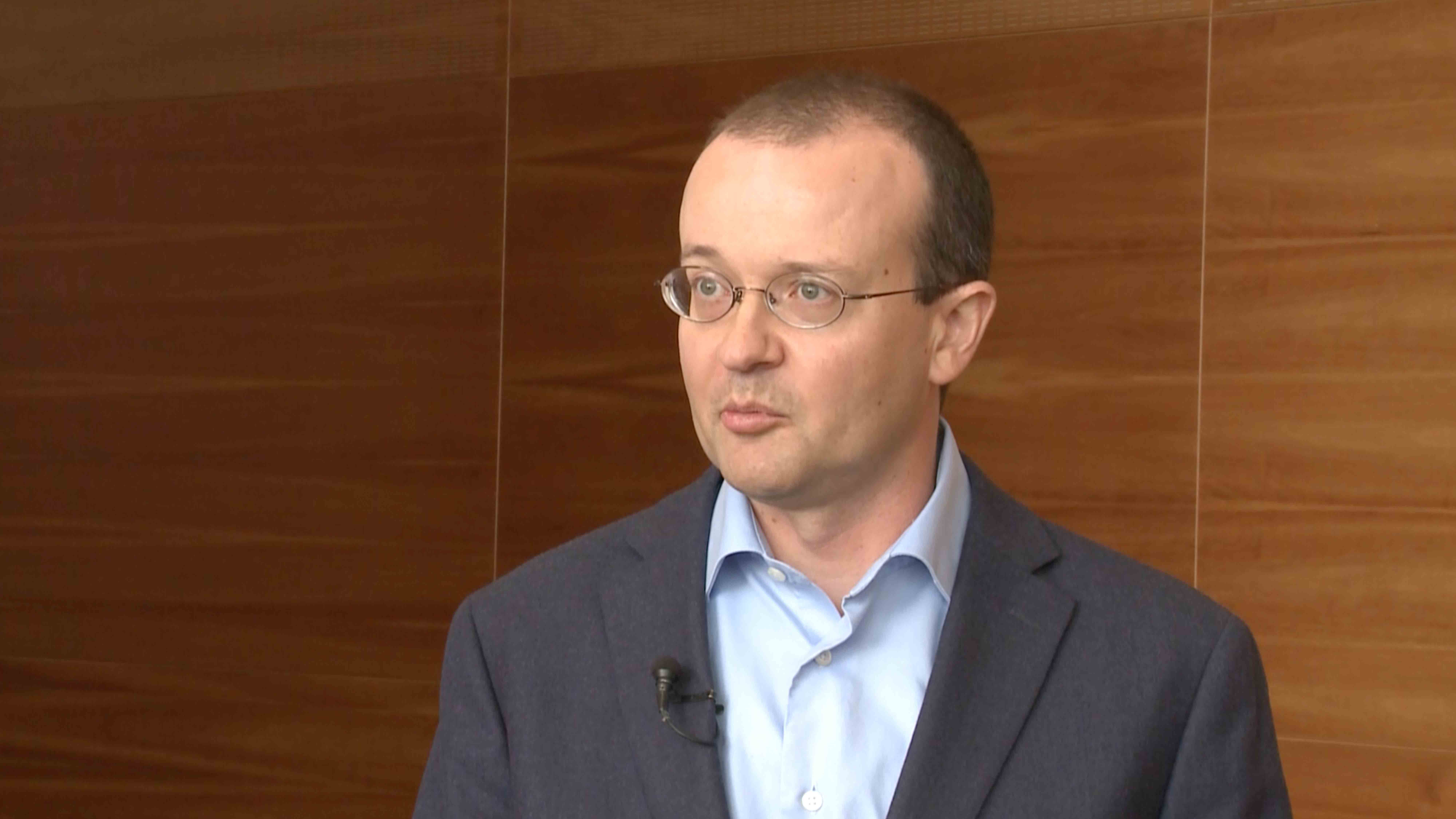
Green says how AI and robotics will impact jobs needs to be further investigated.
He says he's unclear how it will all turn out.