
Opinions
11:37, 20-Oct-2018
What can be expected from China’s economy?
Updated
11:02, 23-Oct-2018
 ["china"]
Share







Copied
Editor's note: This article is an edited translation from an analysis originally published in Chinese on CCTV news WeChat account on October 19.
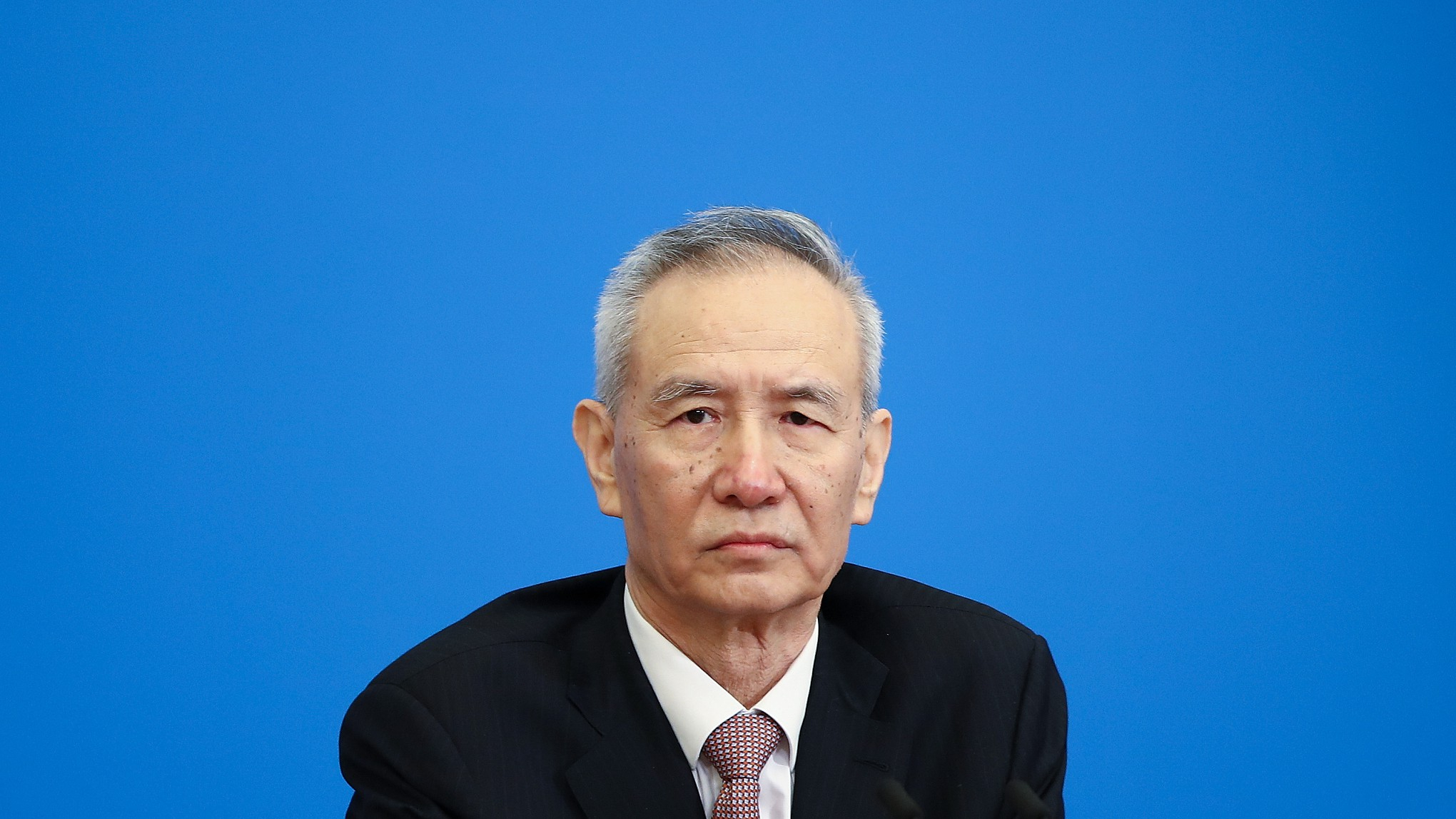
On the morning of October 19, Liu He, a member of the Political Bureau of the Communist Party of China Central Committee and Vice Premier of the State Council, answered questions from journalists on topics including the stock market, private enterprises, the current economic and financial situation and changes in industrial structure.
Wang Yahong, an expert on finance and economics, shared his analysis of the statement made by Vice Premier Liu He.
Q: How should we understand Vice Premier Liu He's judgment about the stock market?
Wang: Firstly, Vice Premier Liu He admitted that the stock market had experienced “obvious fluctuations and declines." Upon the backdrop of the reemergence of pessimistic voices recently, a clear and explicit statement from a high-level official is of particular importance.
In general, the current stock market performance is not on the same page with the stable and sound economic fundamentals. The recent fluctuations in the Chinese stock market are a mixed result of such external factors as global decline, such internal factors as China's economic restructuring, as well as market expectations and technical factors.
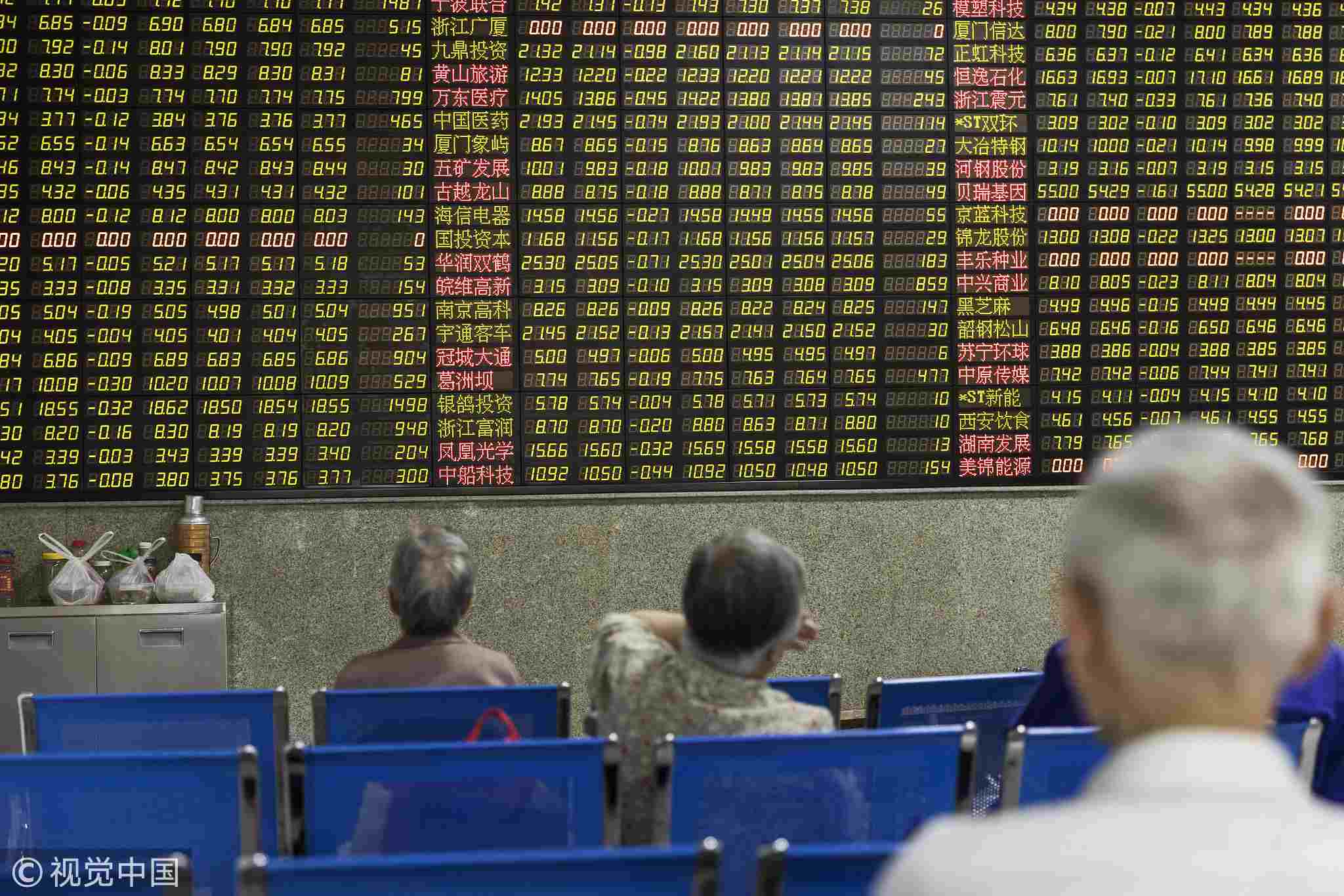
Investors sit in front of an electronic stock board at a securities brokerage in Shanghai, China, May 30, 2018. / VCG Photo
Investors sit in front of an electronic stock board at a securities brokerage in Shanghai, China, May 30, 2018. / VCG Photo
It's worth noting that the high-level leadership did not avoid mentioning the impacts of the China-US trade frictions on the market. In fact, trade frictions leads to uncertainties and more directly acts on investment psychology.
Certainly, psychological expectations can also work in positive ways. As mentioned by Liu He, the market is full of expectations for institutional innovation and reform policies.
The collective voices of financial regulators, including the People's Bank of China, the China Securities Regulatory Commission and the China Banking and Insurance Regulatory Commission, have somehow fulfilled expectations to a certain extent and thus benefited investors.
In terms of improving market mechanism, Liu He put forward five highly-targeted measures, including stabilizing the market, reforming the basic system of the market, encouraging long-term market funding, pushing forward SOEs reform, facilitating private enterprises' development and opening wider to the outside.
These five measures will be implemented simultaneously so that they can produce a synergistic effect. The introduction of these institutional arrangements and policy tools suggests the great importance the government has attached to the healthy and stable development of the stock market.
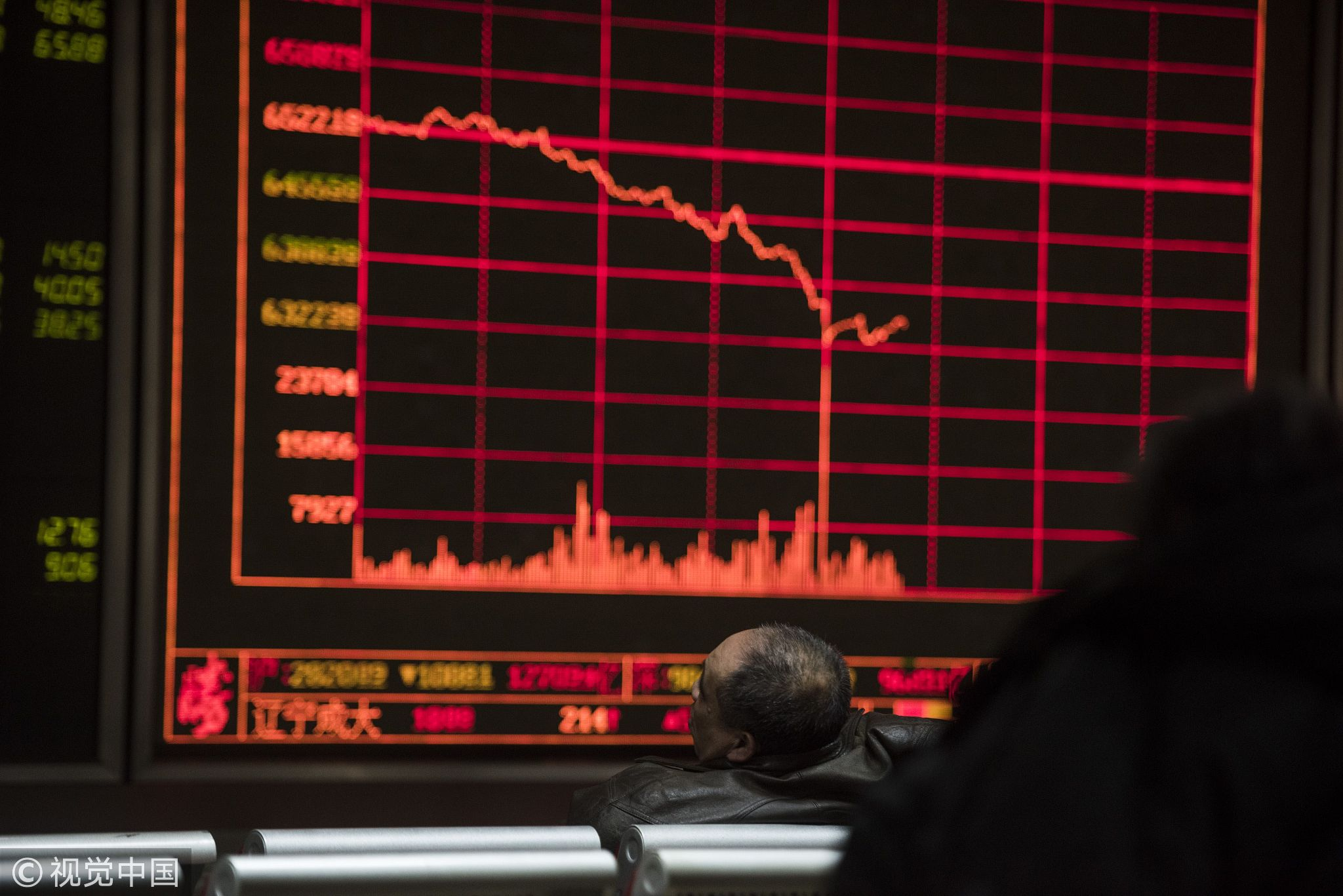
Investors watch stock prices on screens at a securities company in Beijing, February 25, 2016. / VCG Photo
Investors watch stock prices on screens at a securities company in Beijing, February 25, 2016. / VCG Photo
Q: How should we understand Liu He's elaboration on the private sector and relevant arrangement?
Wang: The important role of private enterprises in the economic system has been recognized once again. As a dynamic and critical part of the national economy, private enterprises have made irreplaceable contributions to the economy, by paying taxes, creating jobs and pioneering innovation.
Therefore, unswerving efforts will be continuously made to encourage, support, guide and protect the development of the private sector.
It is precisely because of the important role of the private enterprises that the ideas and comments that “discriminate against private enterprises” and “advocate the advance of the state and the retreat of the private sector” are always met with criticism and refutation.
The government not only takes actions to correct the practices that are not in favor of private enterprises, but also introduces more policies.
In China's economic structure, private enterprises and state-owned enterprises are not in a zero-sum game, serving as an alternative to each other. Instead, they are “highly complementary, cooperative, and mutually supportive.”
The private sector is an important supplement to the public sector and takes up different positions along the industrial chain.
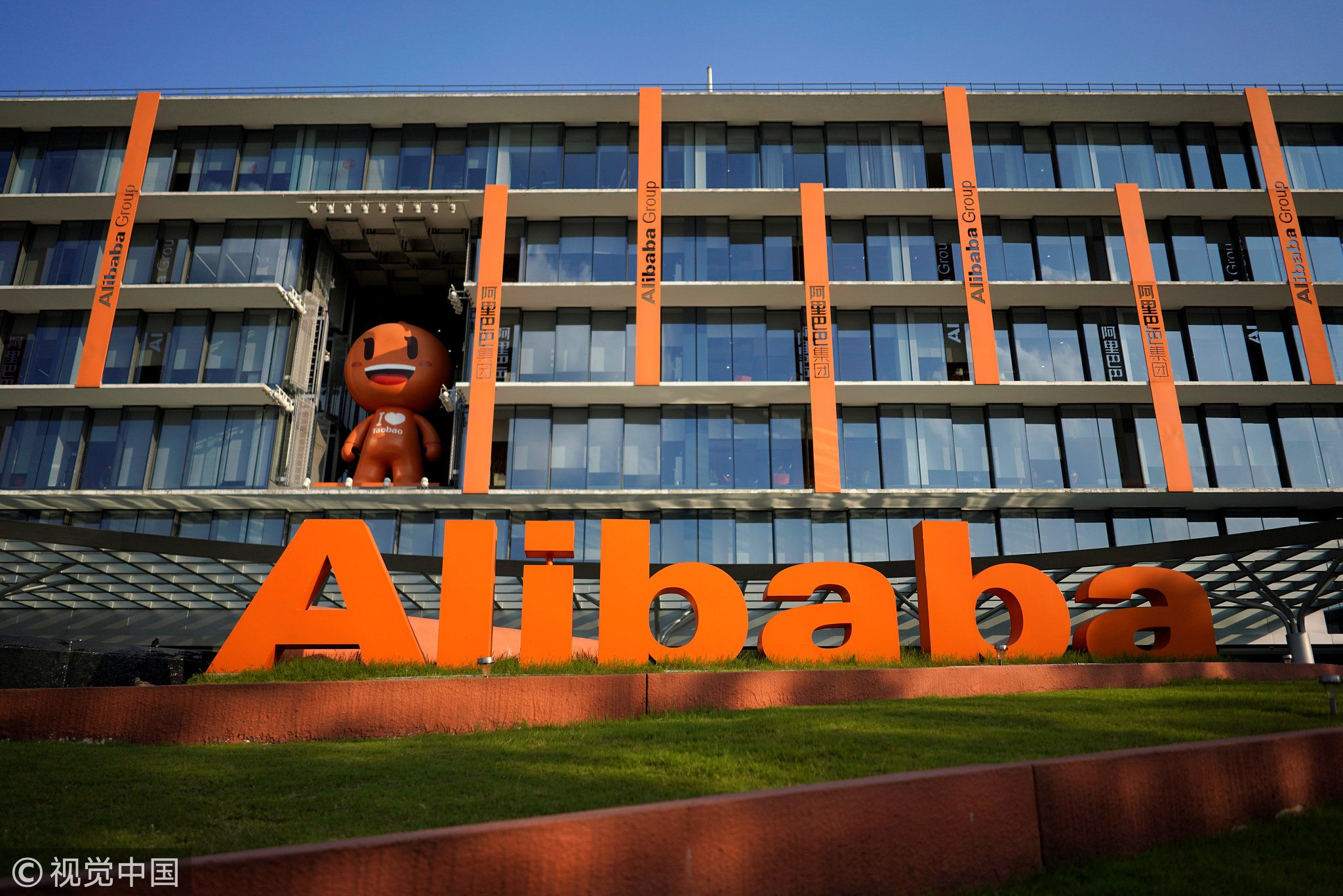
The logo of Alibaba Group is seen at the company's headquarters in Hangzhou, Zhejiang Province, China, July 20, 2018. / VCG Photo
The logo of Alibaba Group is seen at the company's headquarters in Hangzhou, Zhejiang Province, China, July 20, 2018. / VCG Photo
Clarifying the relationship between the public and private sectors in such a critical period of economic restructuring and transformation can help private enterprises focus on transformation and upgrading and thus unleash more vitality.
Q: How should we view China's economic situation?
Wang: The macroeconomic situation concerns everyone. The Q3 economic data released today shows that the national economy has maintained a generally steady and sound performance with a good momentum.
The economic structure has been constantly optimized; new growth drivers have emerged while conventional ones were going through transformation; quality and returns have been improved; and solid progress has been made in delivering high-quality development.
Through both horizontal and vertical dimensions, we will gain a more profound understanding of the current economic and financial situation.
Horizontally, China currently puts on a more impressive economic performance than the majority of countries worldwide, which have also been complemented by the World Bank and the International Monetary Fund.
Vertically, as shown by the main indicators, China's economy is running within a reasonable range and sustains a medium-high growth rate, a momentum that has been built up in recent years.
China's industrial structure continues to optimize. High-tech industries, strategic emerging industries, equipment manufacturing industries and modern service industries have maintained a relatively rapid growth, exhibiting the resilience and creativity of the Chinese economy.
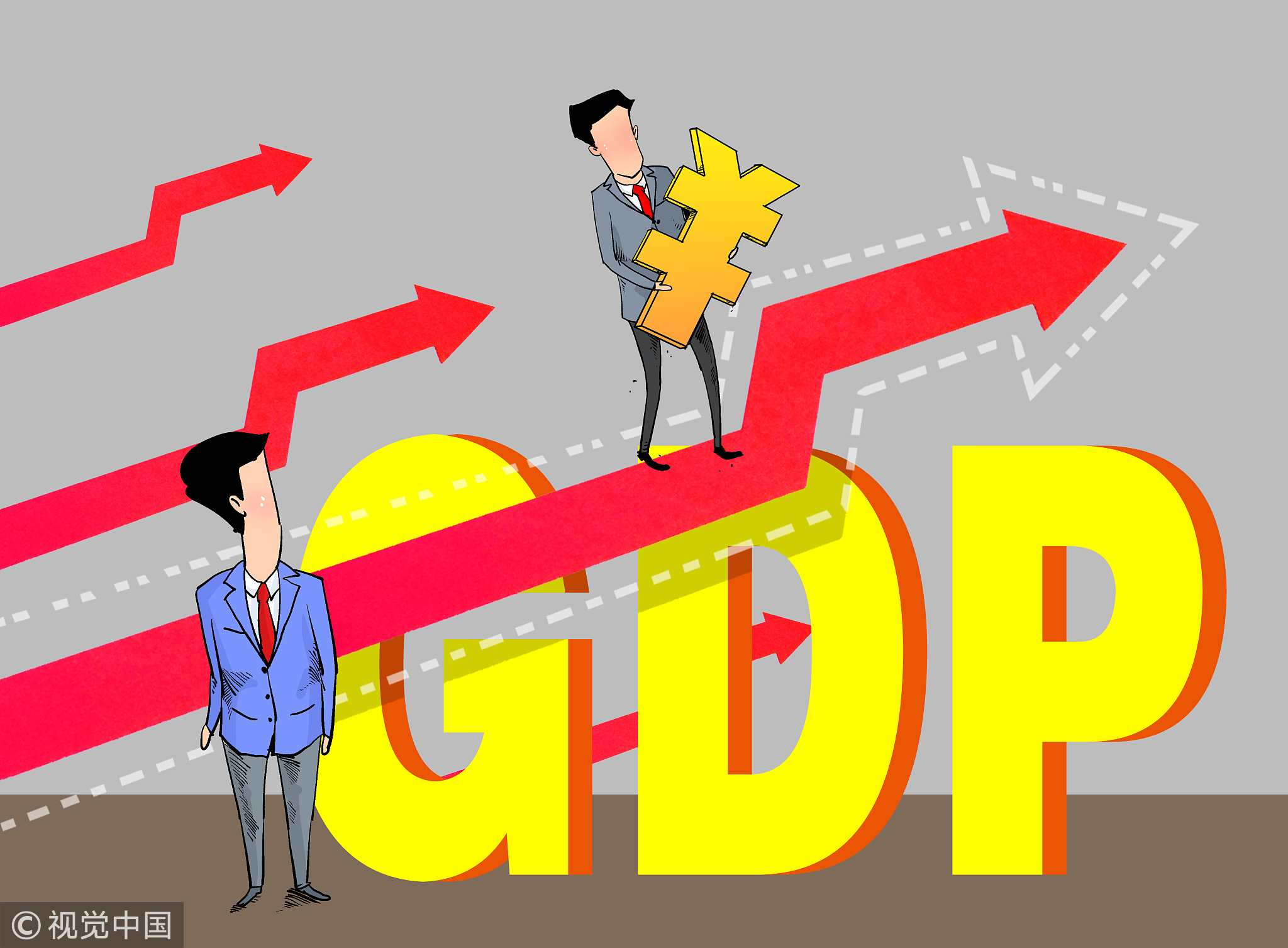
China's economy is on the rise. / VCG Photo
China's economy is on the rise. / VCG Photo
Surely, the economic restructuring and supply-side structural reform cannot be accomplished overnight. On the contrary, a great number of tasks at both the macro and micro levels need to be carried out in this process.
New paths should be steered and new mechanisms should be created for the purpose that finance can facilitate the shift from the conventional to the new drivers of the growth and serve the real economy.
Efforts should be made to push forward the economic transformation and upgrading. Faced with the challenges posed by the new situation, new development, and new technologies, we need to calmly address the problems with our feet on the ground and remain optimistic.
Vice Premier Liu He sent a confident message through this interview: It is a historical inevitability for China to achieve peaceful development and the difficulties and problems we encounter are also inevitable on our way forward.
As long as we bear in mind that China will embrace a better future, we will feel relaxed and undisturbed. This is not only an objective judgment of the Chinese economy, but also essential to examining China's economic situation.
(If you want to contribute and have expertise, please contact us at opinions@cgtn.com.)