
Opinions
21:47, 02-May-2018
Opinion: Unwise for India to delay joining the BRI
 ["china"]
Share







Copied

The relationship between China and India has heated up after the Xi-Modi meeting in Wuhan. It is reasonable to believe that the coming Shanghai Cooperation Summit (SCO) in June might be an opportunity to make more solid progress. During the meeting, both leaders were very cordial and discussed a wide range of issues and opportunities, including border disputes and the Belt and Road Initiative (BRI).
Both sides agreed to promote mutual cooperation and enhance economic ties. They also agreed to resolve differences through peaceful dialogue. The meeting was appreciated worldwide and possesses high expectations. Being an optimist, I also believe any improvement of relations between India and China will help the whole region attain “Peace, Stability and Development”.
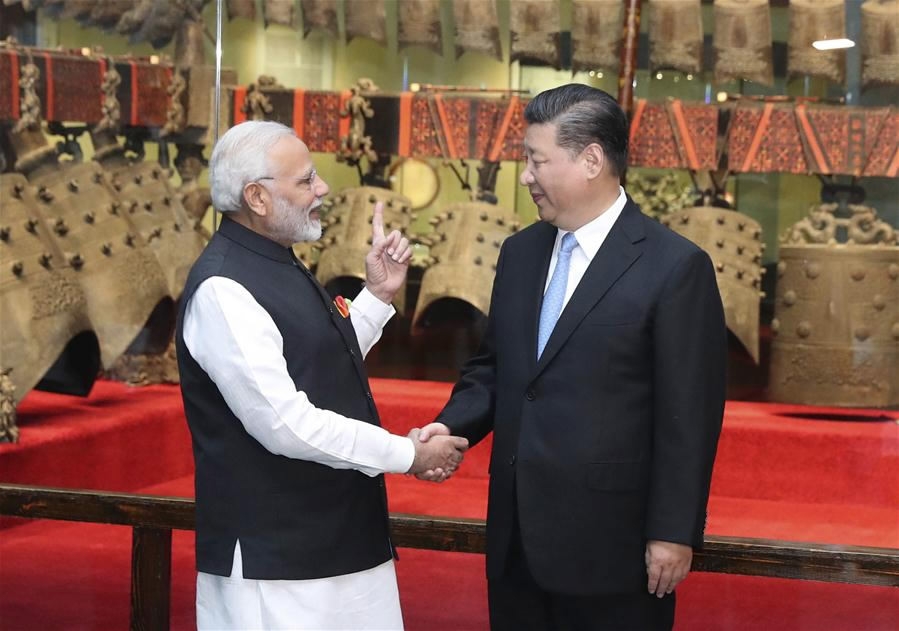
Chinese President Xi Jinping (R) shakes hands with Indian Prime Minister Narendra Modi during their visit to an exhibition of cultural relics at Hubei Provincial Museum in Wuhan, capital of central China's Hubei Province, April 27, 2018./VCG Photo
Chinese President Xi Jinping (R) shakes hands with Indian Prime Minister Narendra Modi during their visit to an exhibition of cultural relics at Hubei Provincial Museum in Wuhan, capital of central China's Hubei Province, April 27, 2018./VCG Photo
But Prime Minister Modi was not convinced by the BRI and has not consented to join the initiative which was launched by China as a strategic policy for future cooperation and development for the region. It may take more time for India to understand the importance of the BRI.
In fact, India wants to promote its infrastructure, and economic development, for which the country depends on the West. It is true that some of the western technologies are more advanced than China. But the investment required by India is huge, which no other country can provide to India, except China.
Take a recent deal between India and Japan for example. India has decided to cooperate with Japan to build the high speed train. However, while Japan may have the technical capacity to assist India, it may not have the enough funds. As a result, a multinational consortium was established. But China itself can execute this project technically as well as financially. The Asian Infrastructure Development Bank (AIIB) was built to finance Asian countries and promote infrastructure building. It is unwise for India to delay joining the BRI.
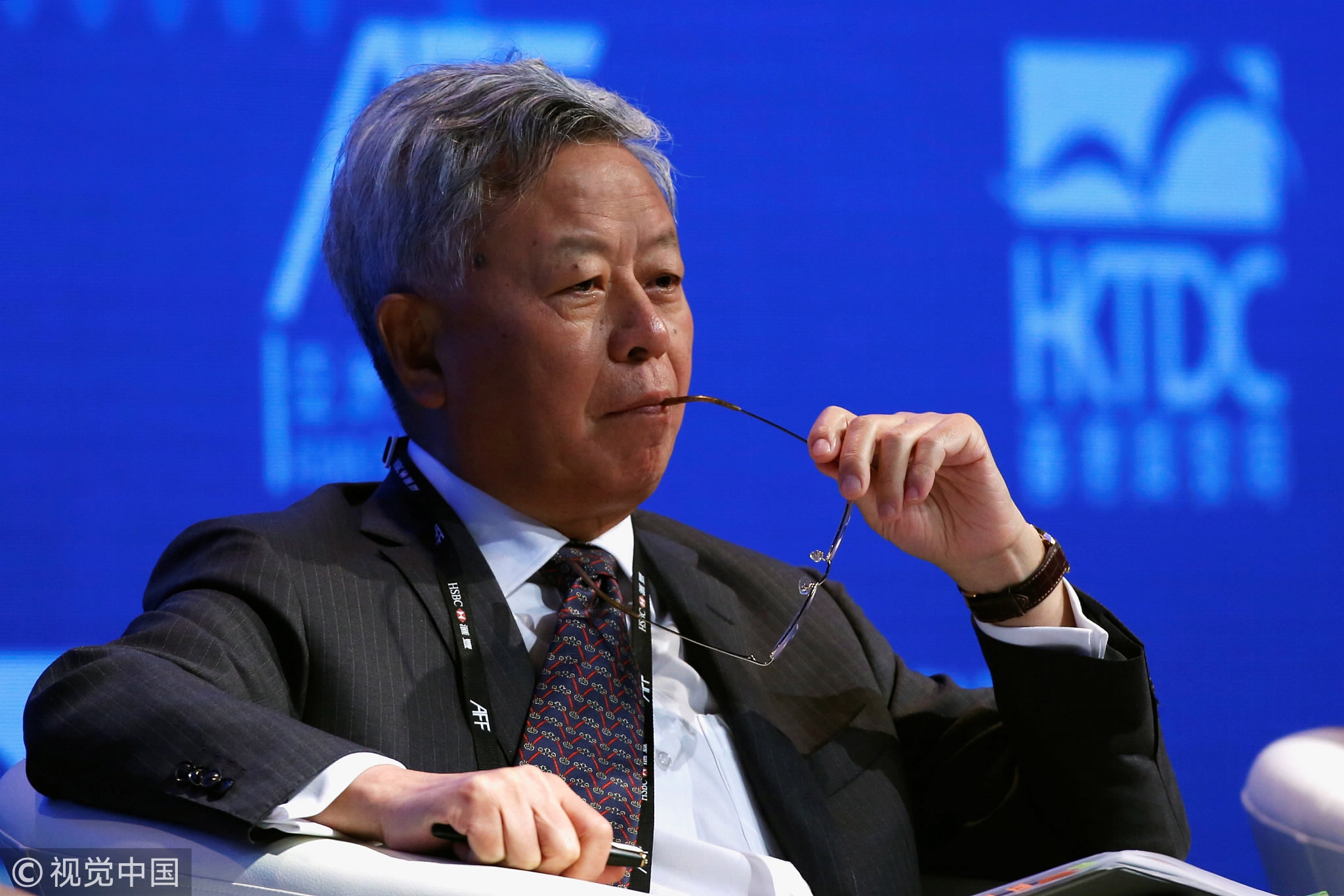
Asian Infrastructure Investment Bank President and Chairman Jin Liqun attends the Asian Financial Forum in Hong Kong, China Jan. 15, 2018./VCG Photo
Asian Infrastructure Investment Bank President and Chairman Jin Liqun attends the Asian Financial Forum in Hong Kong, China Jan. 15, 2018./VCG Photo
I am optimistic for the future of the China-India relationship, but some experts have the opinion that India has a track record of having hostile relations with all its neighbors and wants to strengthen its friendship with the countries several oceans far away. Although India has tried to express that it wants to improve relations with bordering countries, it has yet to achieve this goal.
India has the highest number of people living under the poverty line in the world; those people have no access to sufficient food, no adequate housing, no appropriate health care, no clean drinking water, and no basic sanitary facilities. The dated infrastructure, poor transport system and deteriorating environmental situation have made the common Indians suffer, not to mention the minorities and low caste in India. They are all victims of domestic politics and internal conflicts.
Keeping in mind the actual situation in India, I believe, if India joins the BRI and really works hard to promote “harmony, peace and stability” in this region, it will definitely help not only eradicate poverty from India but the whole of Asia.
(The author is Professor Zamir Ahmed Awan who is a Sinologist at Pakistan's National University of Sciences and Technology. The article reflects the author's opinion, and not necessarily the views of CGTN)