
World
14:38, 04-Jul-2018
Bulgarian honey leads the way to China
Updated
13:40, 07-Jul-2018
 ["china"]
Share







Copied
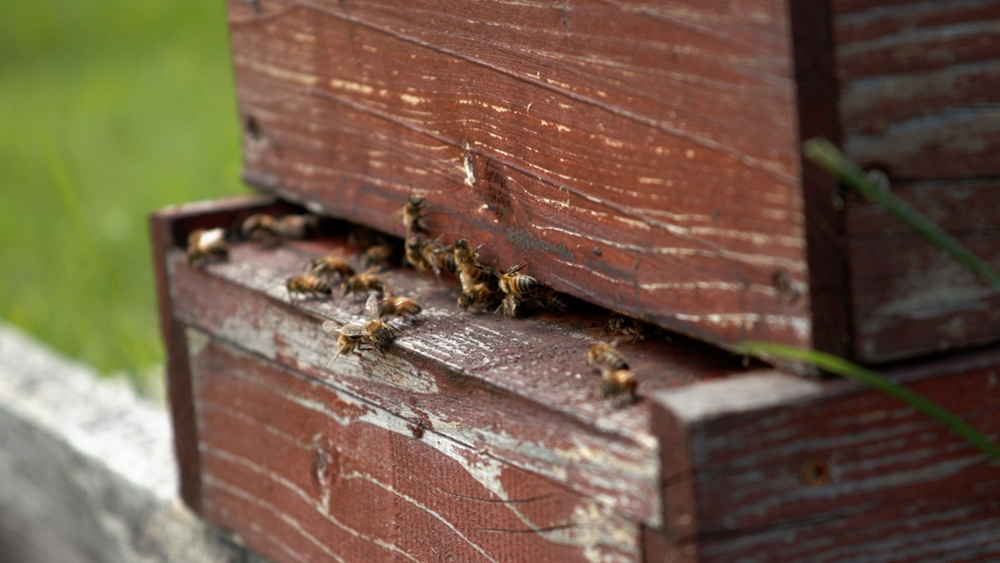
Bulgaria was once one of Eastern Europe's largest food producers. The nation's food industry has suffered as a result of the collapse of the Eastern Bloc and competition within the European Union.
Now the country is looking to access China, where doors are opening thanks to the Belt and Road Initiative. Just outside Bulgaria's second largest city of Plovdiv, a new economic zone was created a couple of years ago.
It already hosts the first e-commerce logistics hub for trade in agriculture products between China and 16 Central and Eastern European countries (CEEC) and will soon see the construction of a Chinese factory that'll produce electric vans.
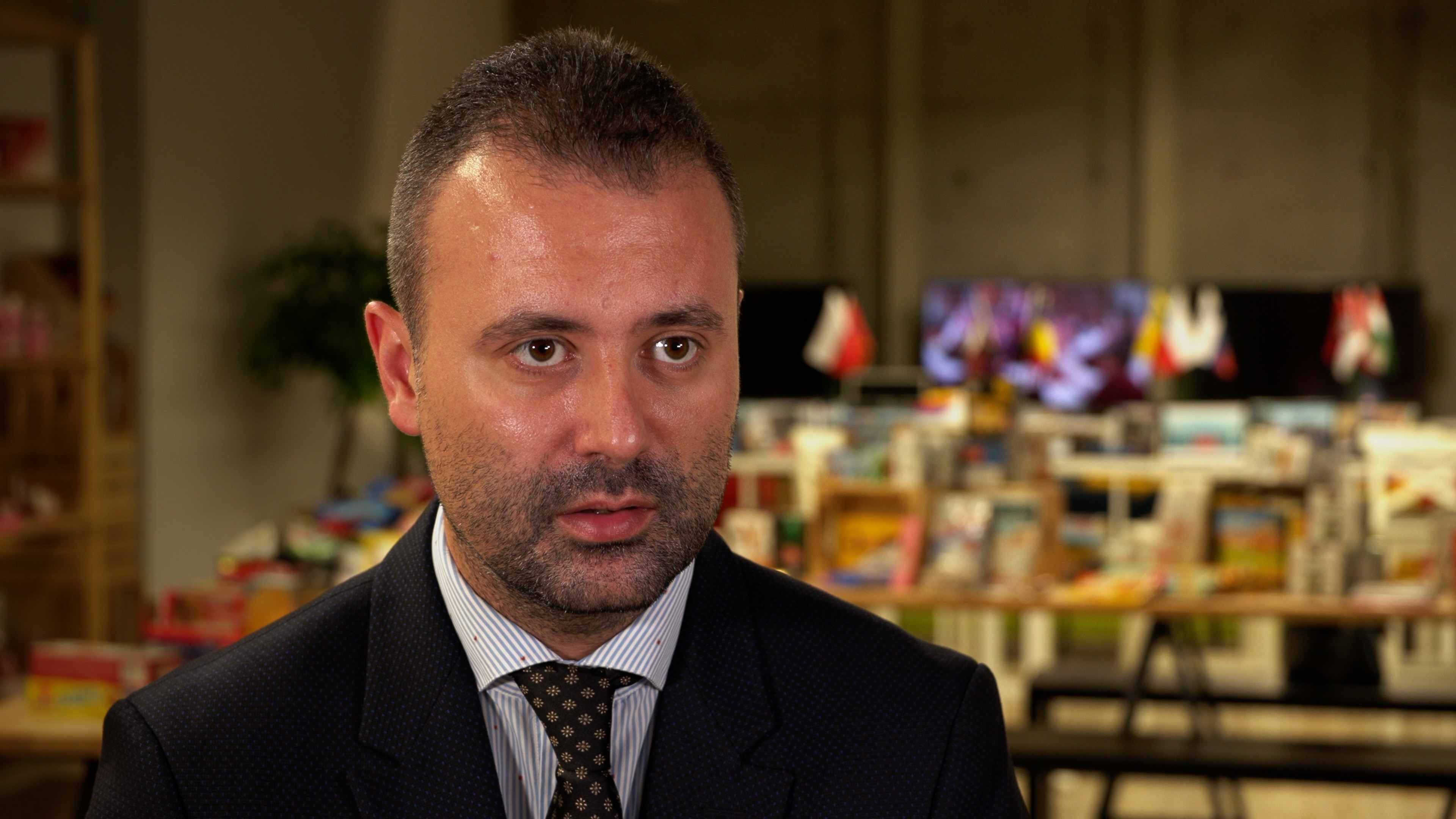
Vasil Gelev, executive director of the Association for the Promotion of Agricultural Products between China and CEEC. /CGTN Photo
Vasil Gelev, executive director of the Association for the Promotion of Agricultural Products between China and CEEC. /CGTN Photo
Food producers from the CEEC nations and China are sending their products to the hub's showroom, which has so far attracted over 300 companies.
"Those products are here to make it possible for the Chinese companies, who are trying to buy Central and Eastern European products, to be able to see them at the one place," said Vasil Gelev, the head of the Association for the Promotion of Agricultural Products between China and CEEC. "The idea for this is not only to show the people the companies and the products which we have here, but also to facilitate the logistics and deliveries and the trade between Central and Eastern Europe and China."
Bulgaria is counting on agriculture products when it comes to exports to China. And the authorities are pushing honey as their strong selling point, because it is considered as one of the best in Europe, originating from beautiful fields throughout the country.
Increased exports driven by demand
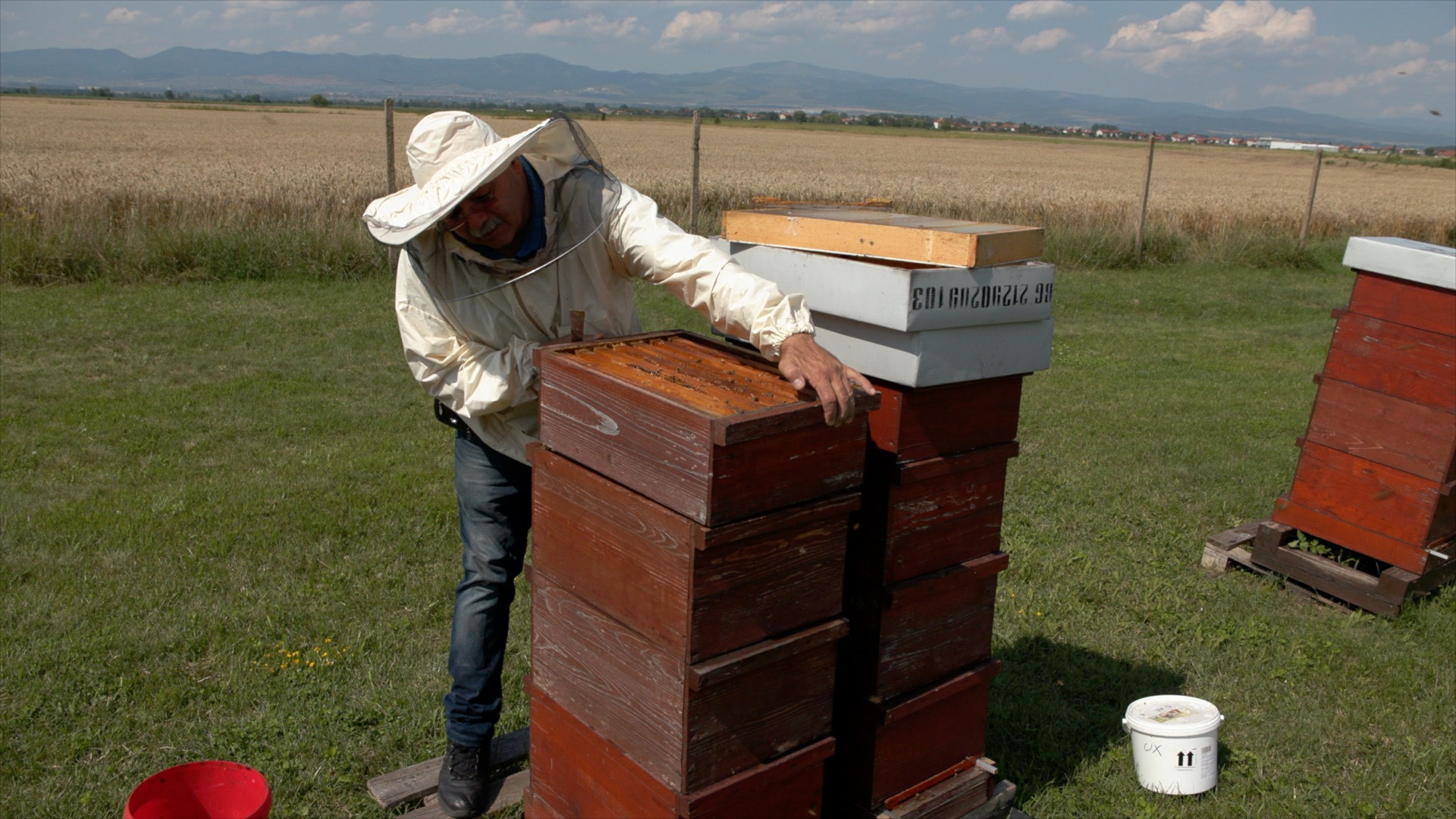
Simeon Todorov opens a beehive on the outskirts of Ravno Pole village in western Bulgaria. /CGTN Photo
Simeon Todorov opens a beehive on the outskirts of Ravno Pole village in western Bulgaria. /CGTN Photo
In areas like the one we've visited in the village of Ravno Pole, honeybee farmers are collecting what they are claiming is a world-class product. Simeon Todorov, a resident who owns almost 500 beehives at seven locations in the vicinity of the village, insists he is not producing too much honey. And he has no doubt about its quality.
"Our honey is very dense, full of aroma and with very high quality," he said. "Bulgarian honey is usually bought only to be mixed with honey from other countries to improve the quality of their honey."
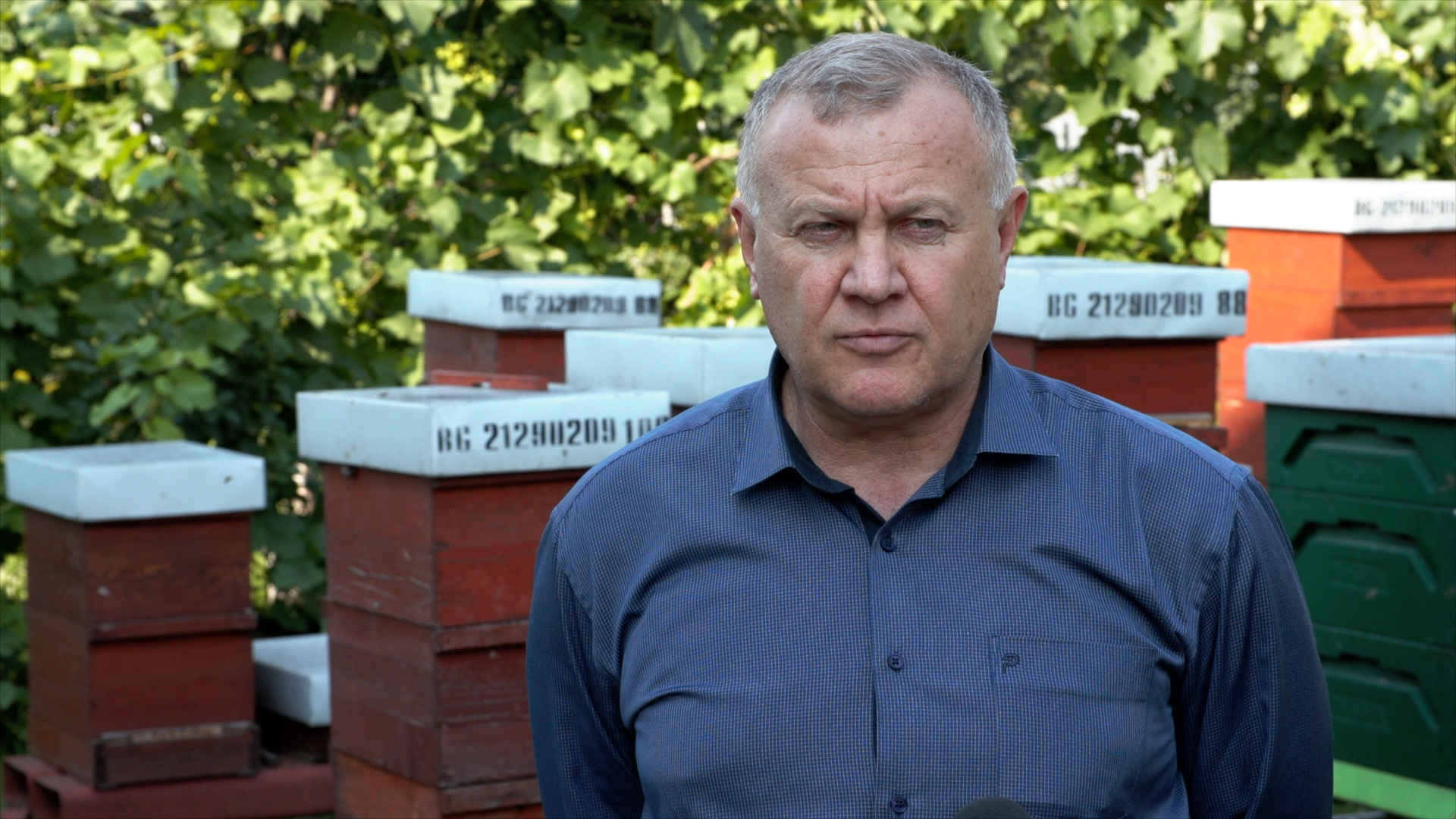
Rumen Milev, honey exporter. /CGTN Photo
Rumen Milev, honey exporter. /CGTN Photo
And as such, Bulgarian honey quickly found its way to Chinese customers. "We are focused on high-quality honeys like the Bulgarian honey is, because it is an ecologically clean product," said exporter Ruben Milev. "Because of that, we can get better prices at the market. Considering that the Chinese consumers have a high culture for honey quality, they understand honey and they have tradition, so they appreciate high quality products."
Those are just the first baby steps in establishing stronger trade between not just Bulgaria, but also all the 16 Central and Eastern European countries and China. A number of obstacles are being identified from both sides, including requests from China to relax some visa rules. On the other hand, Bulgarians would like to see simplified export procedures to China, Silvena Yaymanova of the Bulgarian Ministry of Agriculture, Food and Forestry told CGTN.

Silvena Yaymanova of the Bulgarian Ministry of Agriculture, Food and Forestry. /CGTN Photo
Silvena Yaymanova of the Bulgarian Ministry of Agriculture, Food and Forestry. /CGTN Photo
"There are the long and heavy procedures for import of agricultural products and samples of Bulgarian products in our expo pavilions opened in Shanghai and Hangzhou," she said. "We consider that the first step to overcoming those obstacles is to finalize as soon as possible the mutual agreements for import and export of agricultural products and to expand the trade between the two countries."
Maybe it is not all milk and honey in this business at the moment, but the promising prospects have brought optimism to all parties.