
Opinions
11:23, 03-Aug-2018
Experts call for peace after a divided Zimbabwe presidential election
Updated
11:25, 06-Aug-2018
 ["china"]
Share







Copied
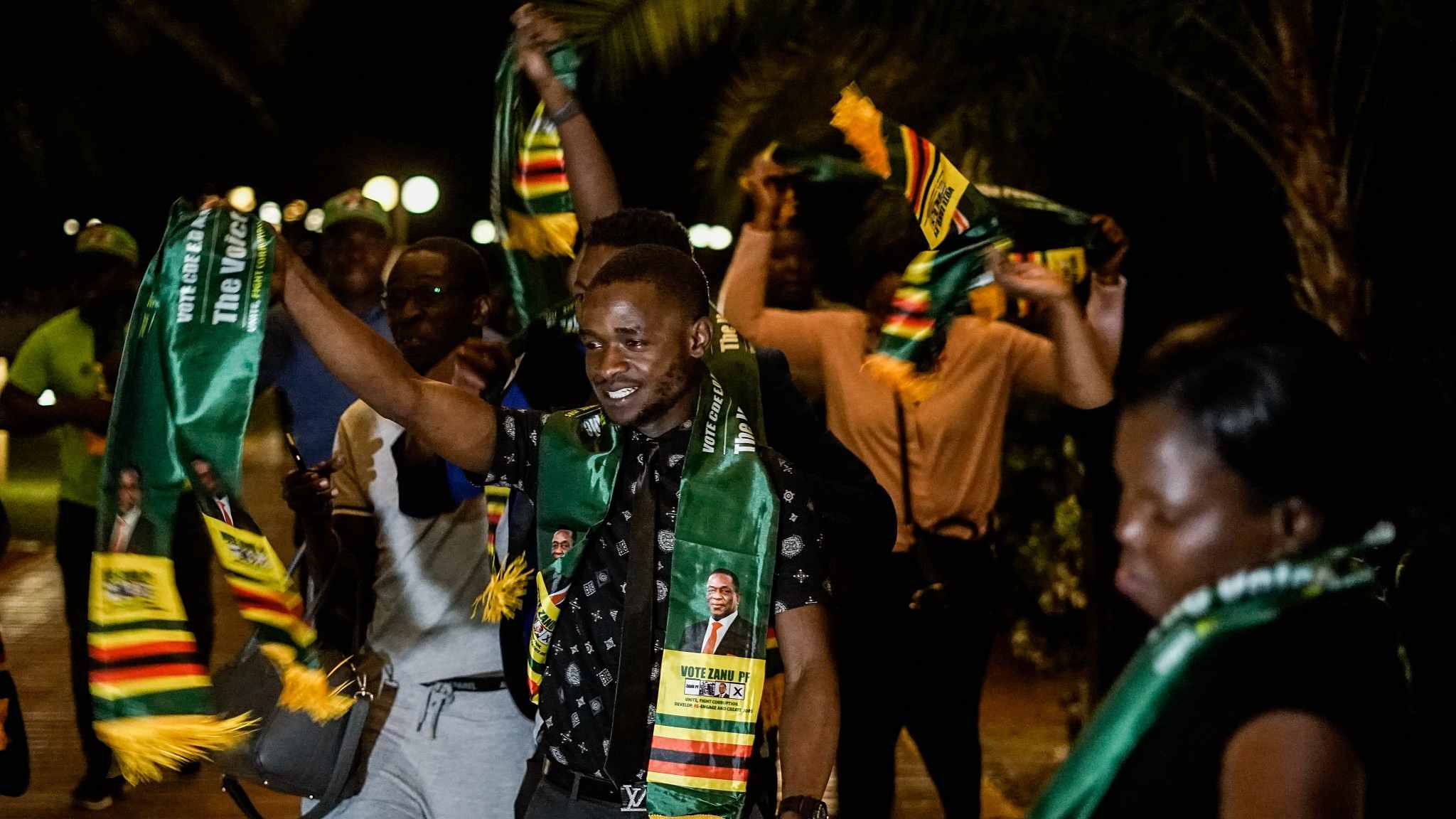
President Emmerson Mnangagwa and the ruling party ZANU-PF emerged as the victors of the Zimbabwe election, according to the country’s electoral commission. But supporters of the major opposition party, the Movement for Democratic Change (MDC), questioned the legitimacy of the results.
During the elections, police and soldiers fought running battles with protesters in the capital Harare, firing live ammunition, teargas and water cannons.
Chipo Dendere, a visiting assistant professor of Political Science at Amherst College who researches African politics, explained that this intensity was due to contradictions between the high turnout rate and the poorly handled voting process.
00:50
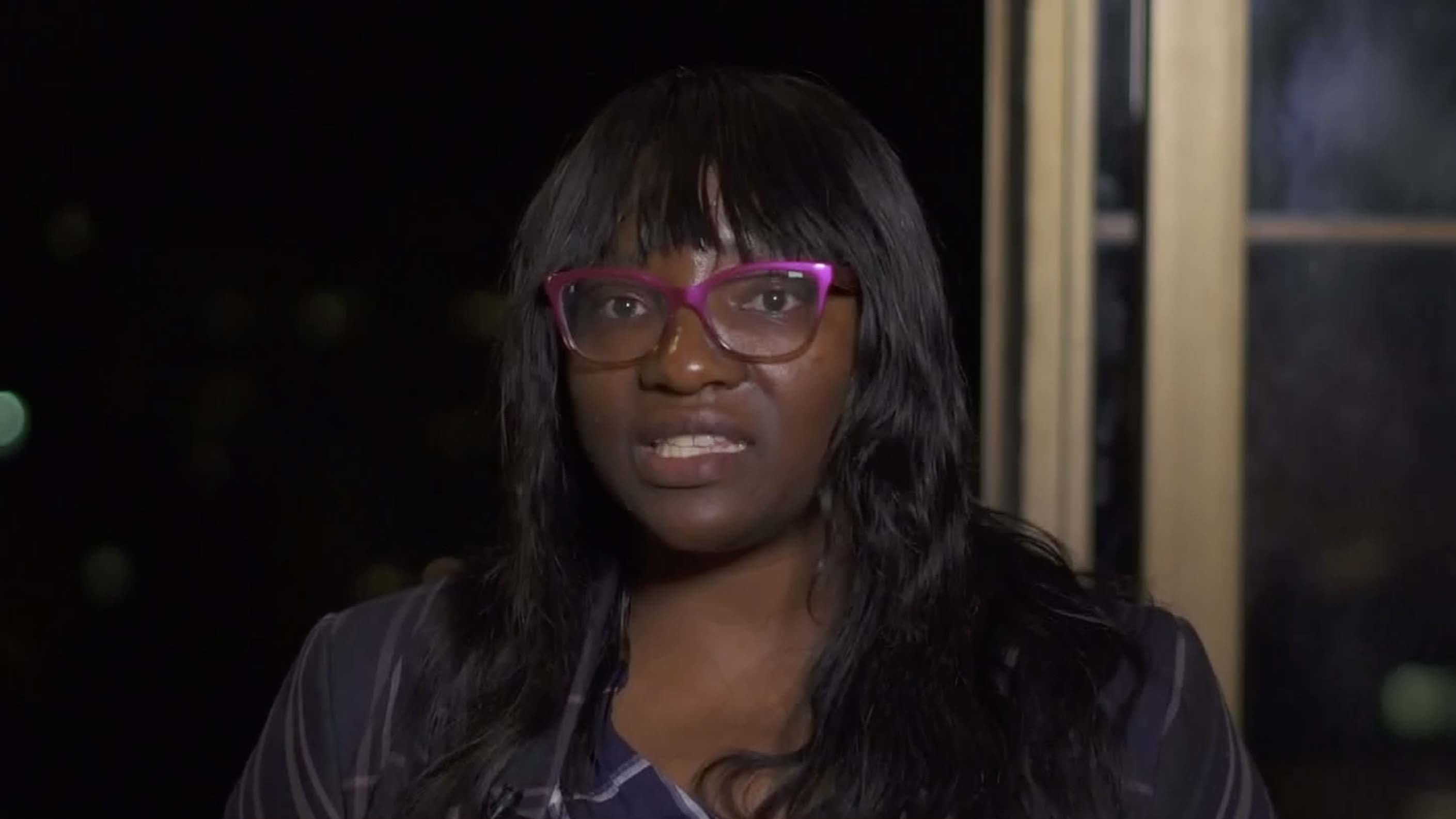
“The result is a little bit more interesting than what we expected if you notice that there has been a huge turnout, especially among young voters,” she said in an interview. “But there is also some irregularity that opposition parties raised before the election to the Zimbabwe election commission that was not responded to very well.”
Opinions are divided on the outcomes of the election as well as processes offered by the Zimbabwe election commission. Critics said that the ruling party had the comparative advantage of access to state resources.
“At the pre-election situation, the imbalances and media representation, the use of state media resources by the ruling party have caused the opposition to be a little bit more concerned than they otherwise would be,” Chipo said.
However, opposing opinions thought that the advantage of the ZANU-PF party came mainly from its arguable victory over the former president Robert Mugabe, and the progress in democracy that the party has made is widely acknowledged.
“One of the fundamental mistakes that the oppositions made is to take the ruling party for granted. They thought it’s a simple walkover for Mnangagwa,” Lloyd Msipa, the founder of the Africa Public Policy Research Institute, suggested in a debate with Chipo.
“What they forget is that the ZANU-PF as a political party is grounded in liberation war politics and that means it draws most of its support from the rural areas, where they focused during the election.”
Joseph Ochieno, a writer and commentator on African Affairs, pointed out that the focus of the debate on election legitimacy should be solid evidence. “Although we all admit that the ZANU-PF party is not anything you can compare with a political organization,” he said. “But what’s more useful is that the opposition could come out with evidence, saying that this or that is the rigging taking place in rural or urban areas.”
In the midst of this unresolved situation, all experts agreed that whoever wins the election should be able to bring the nation together and deal with the economic struggles that the nation is facing.
The “president should be mindful that he inherits a very divided citizenry, so there has to be some kind of olive branch and strategic economic planning,” said Dorina Bekoe, an associate professor of conflict prevention, mitigation and resolution at the Africa Center for Strategic Studies.