
Politics
21:45, 24-Jun-2018
Nuclear deal collapse would be 'very dangerous': Iran FM
 ["china"]
Share







Copied
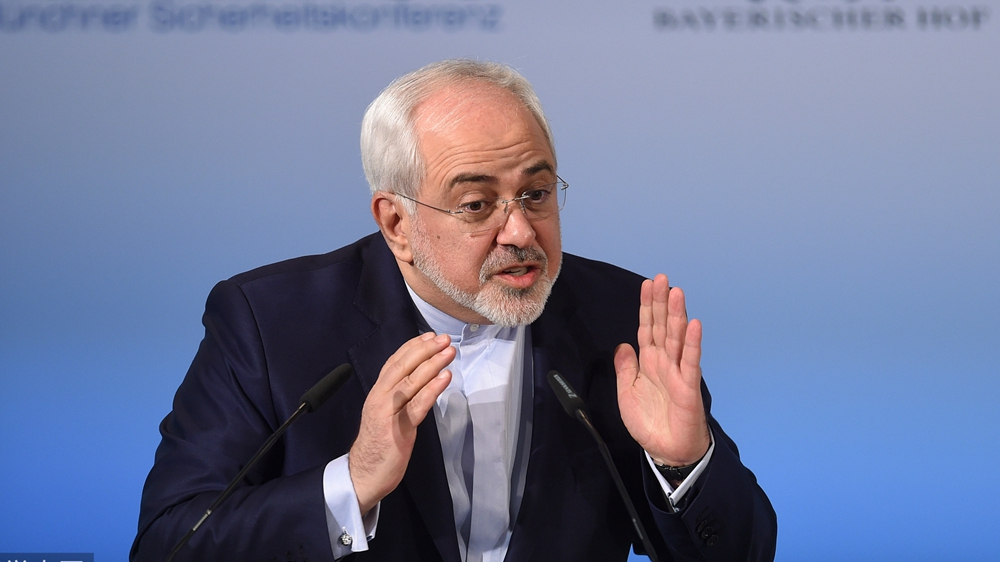
Iran's Foreign Minister Mohammad Javad Zarif warned Sunday that failure to save the nuclear deal after the exit of the United States would be "very dangerous" for Tehran.
The United States announced in May that it was withdrawing from the 2015 nuclear deal and reimposing sanctions that would hit international businesses working in the Islamic republic.
The other parties to the deal – Britain, France, Germany, China and Russia – have vowed to stay in the accord.
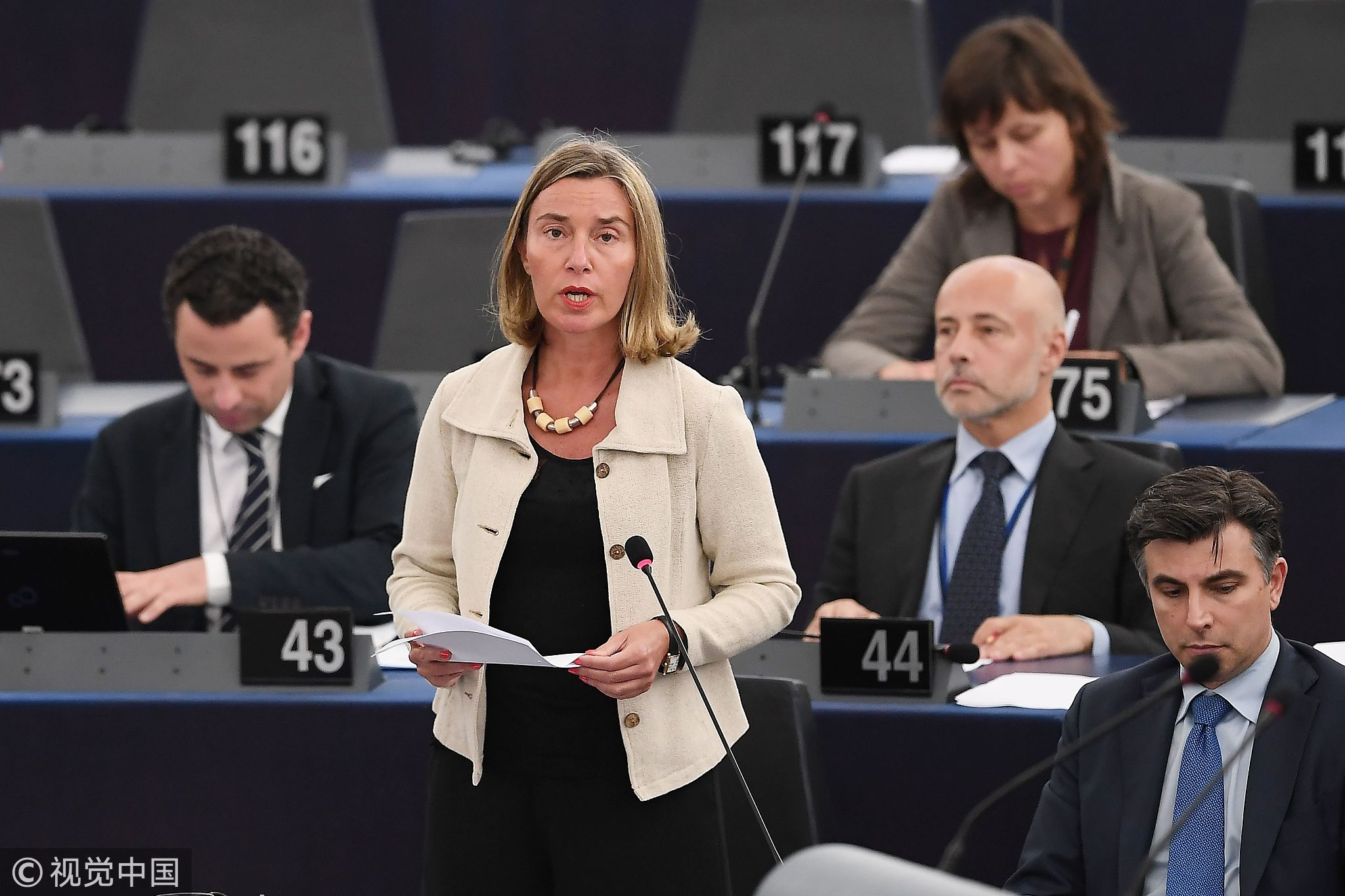
EU diplomatic chief Federica Mogherini speaks during a debate on the consequences and the EU’s response to the US President's decision to quit the Iran nuclear deal at the European Parliament in Strasbourg, eastern France, June 12, 2018. /VCG Photo
EU diplomatic chief Federica Mogherini speaks during a debate on the consequences and the EU’s response to the US President's decision to quit the Iran nuclear deal at the European Parliament in Strasbourg, eastern France, June 12, 2018. /VCG Photo
"Failure of the JCPOA (nuclear deal) would be very dangerous for us," Zarif told members of the Iran Chamber of Commerce, quoted by the official IRNA news agency. IRNA did not say if he amplified on the dangers posed to Iran.
"This is certainly not the (Iranian political) system's choice," added Zarif, one of the architects of the nuclear pact.
Iran has been holding talks with European Union leaders and other officials seeking ways to keep the deal alive, as well as economic guarantees.
Some European firms doing business in Iran have begun to pack up and leave since the US exit, while the rial has lost more than 47 percent of its value against the dollar since September.
Following the US decision to pull out of the deal in May, Zarif embarked on a tour of Britain, France, Germany, China and Russia. And President Hassan Rouhani is expected to visit Switzerland and Austria in July as part of Iran's efforts to secure continued European support for the deal, Bern and Vienna have said.
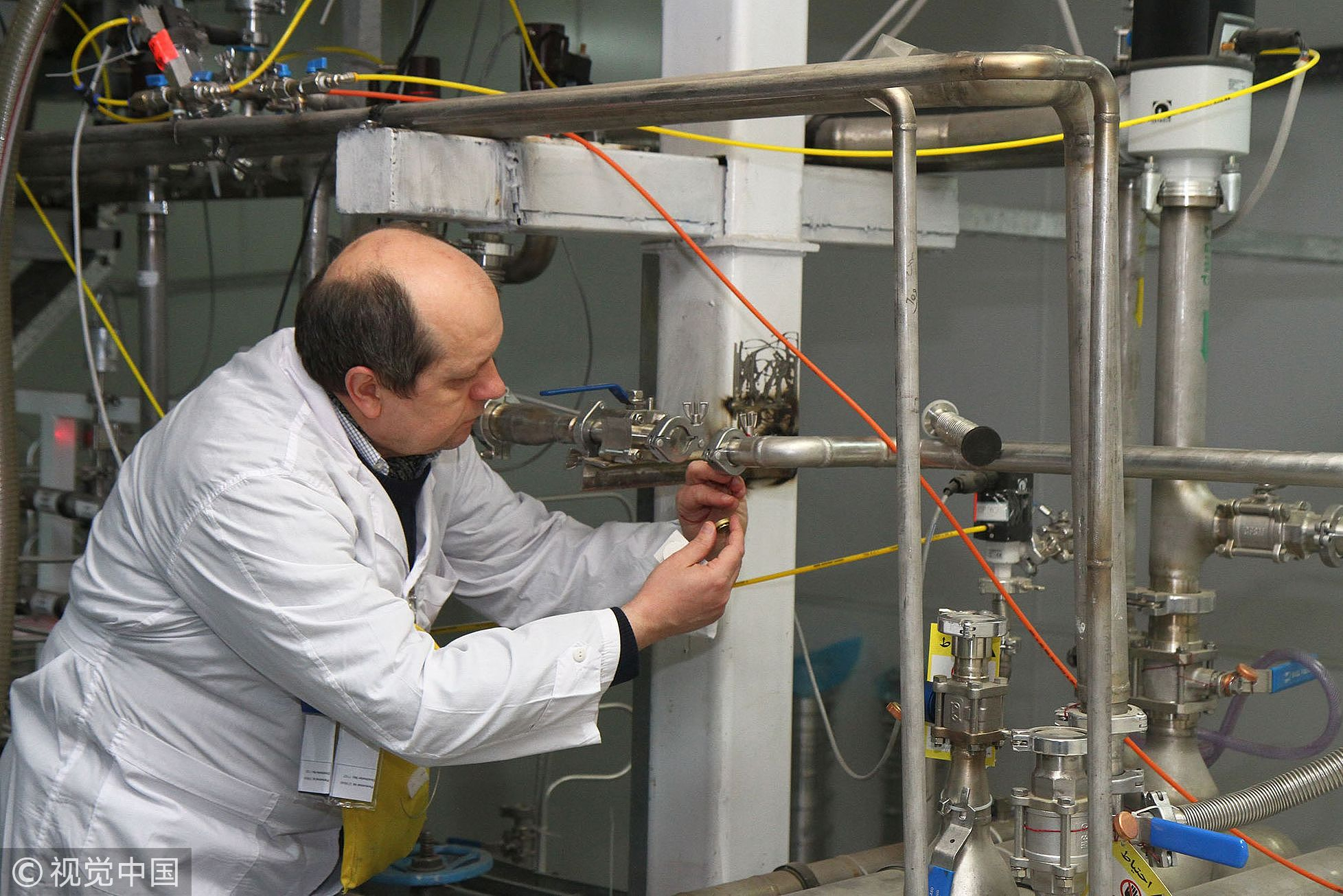
An unidentified International Atomic Energy Agency (IAEA) inspector disconnects the twin cascades for 20 percent uranium production at the nuclear power plant of Natanz, south of Tehran, Jan. 20, 2014 /VCG Photo
An unidentified International Atomic Energy Agency (IAEA) inspector disconnects the twin cascades for 20 percent uranium production at the nuclear power plant of Natanz, south of Tehran, Jan. 20, 2014 /VCG Photo
Iran has warned it is ready to resume uranium enrichment to 20 percent "within days" if the deal falls apart.
That is still within civilian-use limits, and Iran has always insisted its nuclear program is not for military purposes, but the level is far above the 3.67 percent enrichment permitted under the 2015 agreement.
Supreme leader Ayatollah Ali Khamenei has warned Iran "will never tolerate both suffering from sanctions and nuclear restrictions" and called for preparations to speed up uranium enrichment.
(Cover photo: Iran's Foreign Minister Javad Zarif delivers a speech at the 53rd Munich Security Conference in Munich, southern Germany, February 19, 2017.)
Source(s): AFP