
Sports
15:23, 03-Oct-2018
Cricket Australia gets a new CEO in Kevin Roberts
Updated
15:13, 06-Oct-2018
 ["other"]
Share







Copied
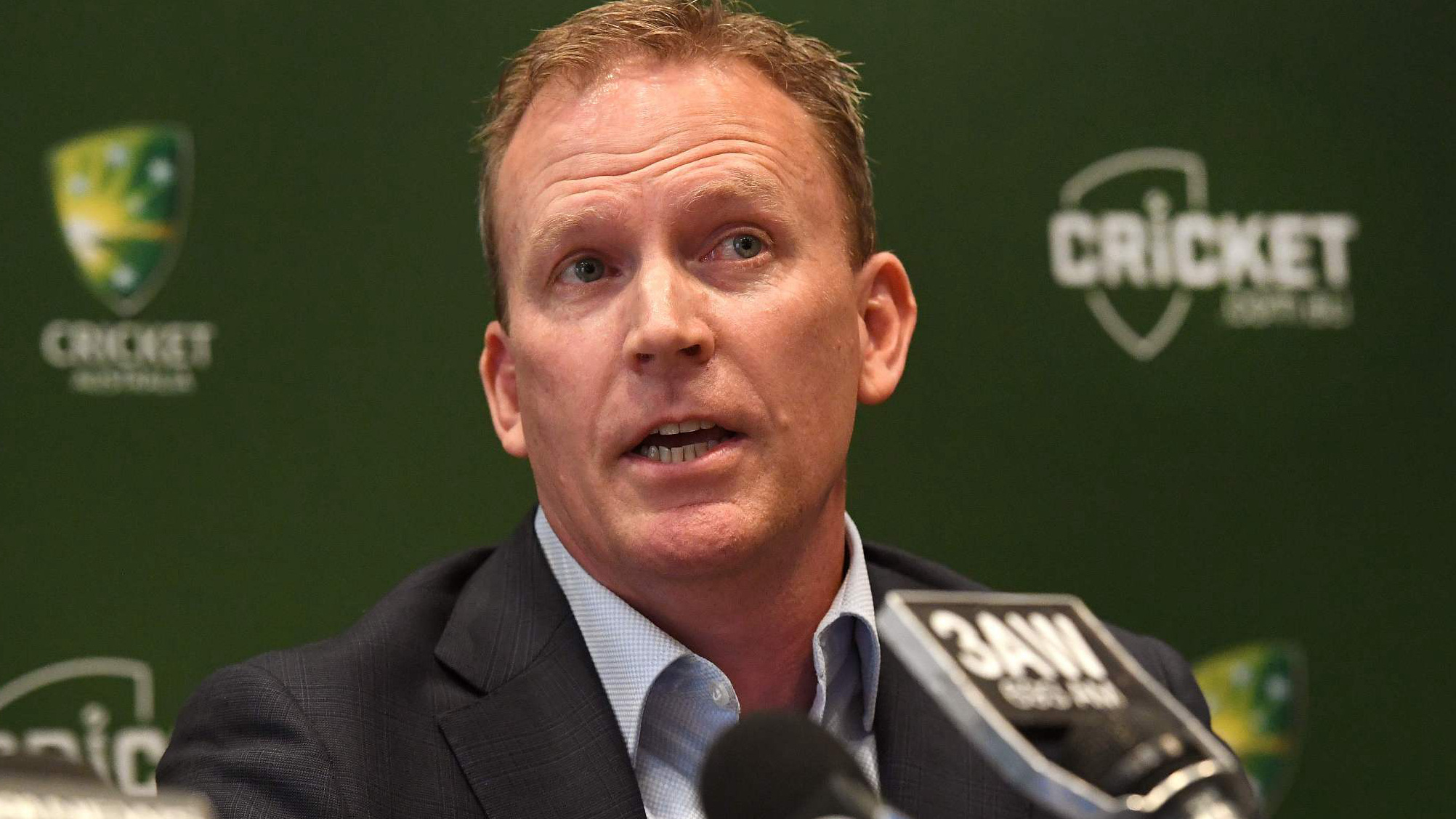
A few months after coming under fire during the controversial ball-tampering issue, Cricket Australia CEO will end his long-reign later this month at his country's governing body of cricket and will be replaced by Kevin Roberts, who was the face of Cricket Australia during toxic negotiations for a new pay deal with players.
A former first-class batsman for New South Wales with a strong corporate background, the 46-year-old Roberts has been Sutherland's deputy for a number of years since joining the CA board as an independent director in 2012.
Roberts edged out a number of credentialled candidates, including board director John Harnden, who organised the successful 2015 World Cup co-hosted with New Zealand, and former New South Wales cricket chairman John Warn.
He takes over CA at a sensitive time, amid reviews into the board's governance and the culture of the men's team whose reputation was left in tatters by the ball-tampering scandal in South Africa.
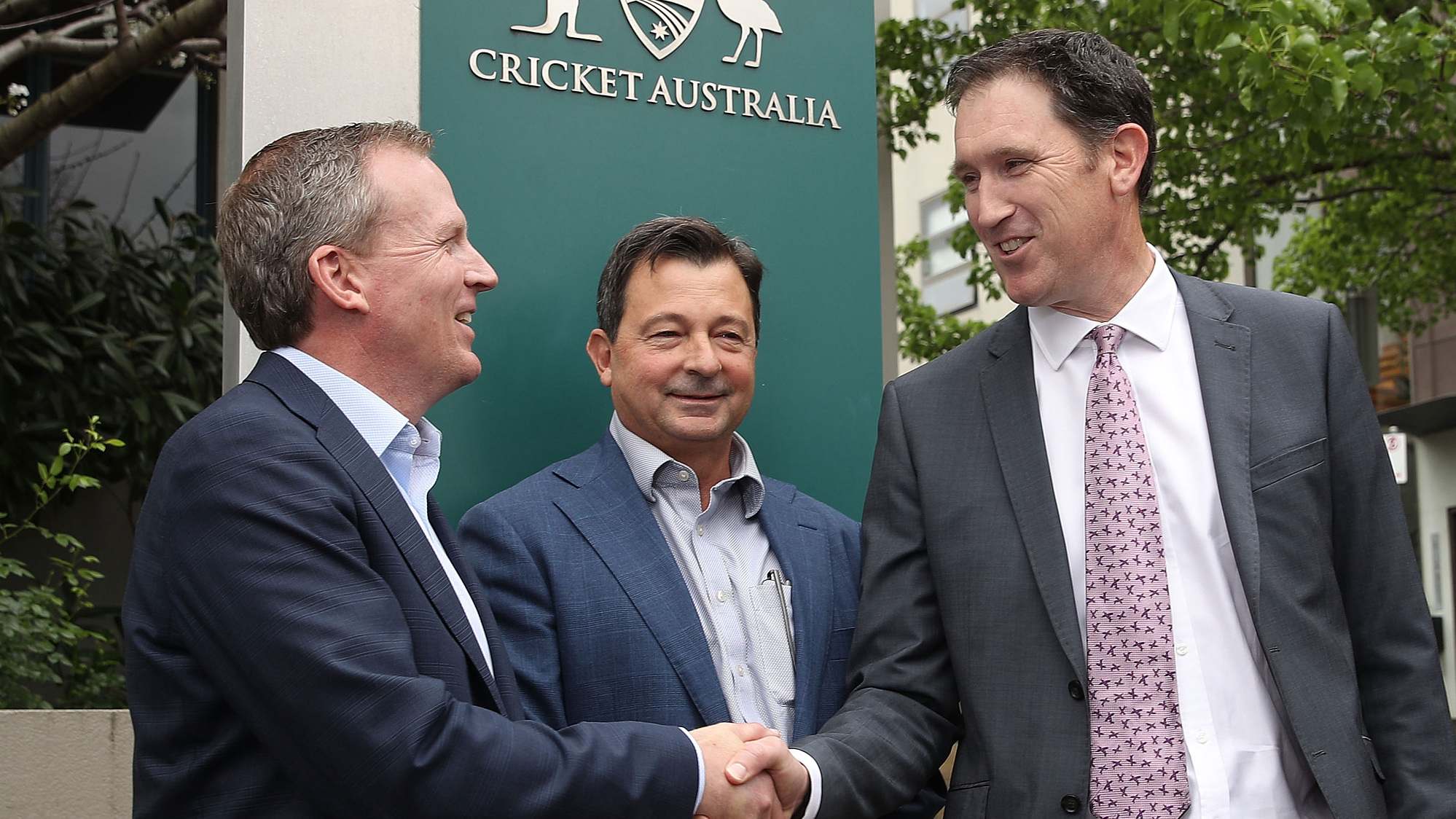
Kevin Roberts is congratulated by outgoing Cricket Australia CEO James Sutherland during the Cricket Australia CEO announcement in Melbourne, Asutralia. /VCG Photo
Kevin Roberts is congratulated by outgoing Cricket Australia CEO James Sutherland during the Cricket Australia CEO announcement in Melbourne, Asutralia. /VCG Photo
A former Adidas executive, Roberts is best known to the public as CA's lead negotiator in pay talks with players that grew increasingly poisoned and led to the boycott of a tour last year.
CA's insistence on ending a 20-year revenue-sharing model proved a colossal miscalculation, and players ended up refusing to deal with Roberts.
They were only coaxed back to the table once Sutherland joined the talks late and agreed to continue the revenue-share.
Sutherland, in charge since 2001, announced in June that he had given CA a year's notice of his intention to step down but Roberts will formally take over the role later this month when confirmed at the board's annual general meeting.
Roberts will have big shoes to fill, with Sutherland having helped turn the game into a commercial powerhouse in one of the world's most crowded sports markets, securing a string of lucrative broadcast deals and ushering in the popular Twenty20 "Big Bash" league in 2011.
(With inputs from agencies)