
Opinions
09:59, 31-Aug-2018
Opinion: Global terrorism cases drop, but the threat remains
Updated
09:48, 03-Sep-2018
 ["china"]
Share







Copied
Data showed that the number of terrorist attacks and deaths has sharply dropped over the past three years. According to a report from the University of Maryland, the year 2017 saw a declining number in traditional regions like the Middle East, but the death toll in new regions like Southeast Asia is on the rise.
"We should take some comfort in the declining number overall globally of terrorist act and fatalities," said Peter Vincent, a global security and counterterrorism expert who served in the US Departments of Justice and Homeland Security.
However, he is not optimistic about the shift in attacks across continents.
01:33

"Many experts I've talked to are worried that this is a quiet pause before the proverbial storm," he added. "We should be very cautious about celebrating or dancing on the tombstones of groups like the Islamic State."
Akinola Olojo, a senior researcher in transnational threats and international crime at the Institute for Security Studies, is just as cautious as Vincent. Having studied the pattern of terrorist attacks for years, he cast doubt on the actual progress that the international community has made.
"The deeper question is what progress we are making," he said. "The anti-terrorism war concerns more than just the attack number. For instance, are we safeguarding human rights and social justices?"
Along with the rise of social media usage, the battlefield has also shifted from offline to online and included more ideology-building activities, instead of conventional state armies. Therefore, some experts argued that it's too early to claim victory at this point.
Kamran Bokhari, a fellow with the Program of Extremism at George Washington University, warned of the danger of lowering the guard in face of the evolving terrorists.
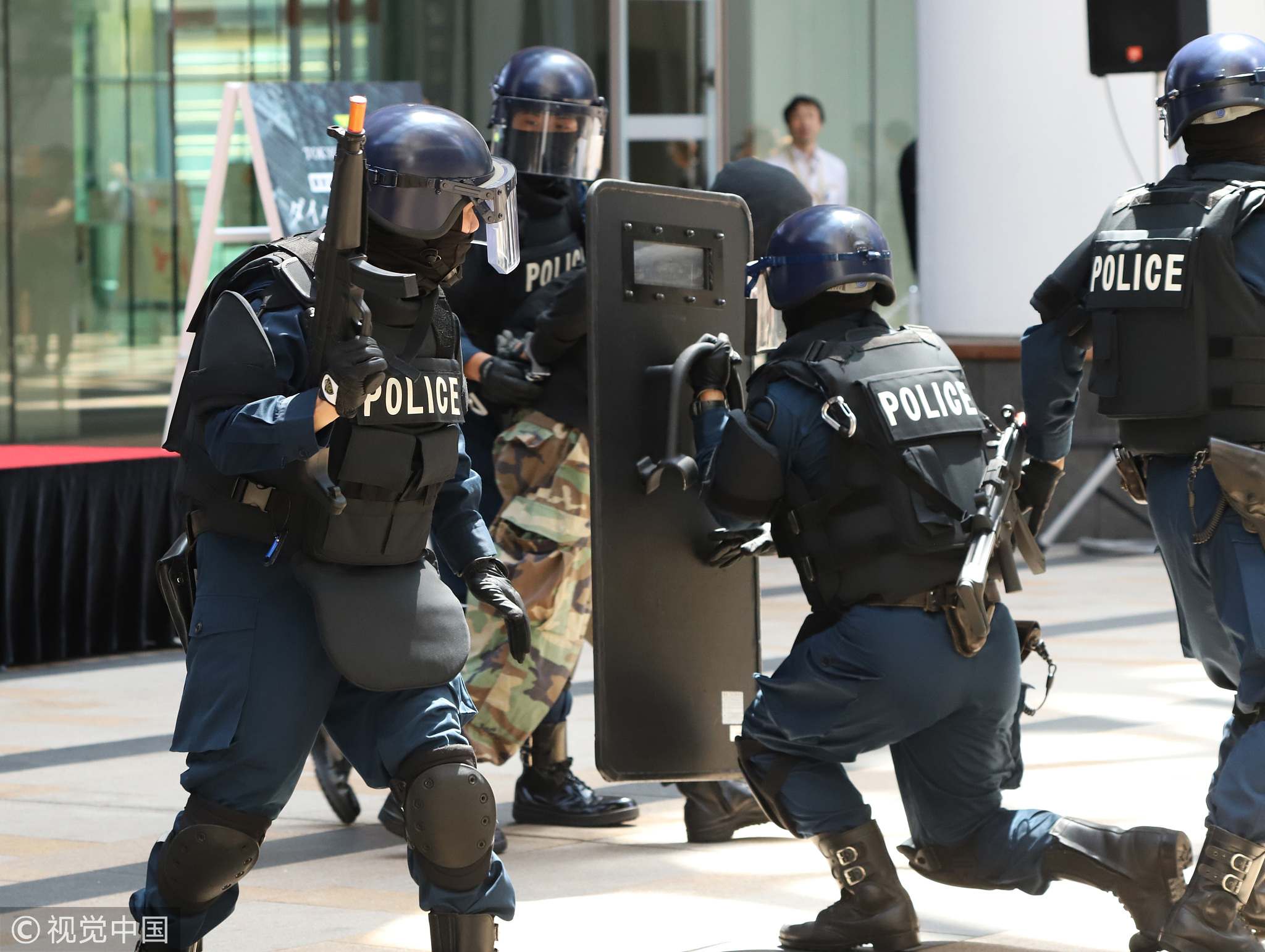
SWAT team members seize a gunman during an anti-terrorism exercise at the Tokyo Midtown office and shopping complex in Tokyo, Japan, July 20, 2018. /VCG Photo.
SWAT team members seize a gunman during an anti-terrorism exercise at the Tokyo Midtown office and shopping complex in Tokyo, Japan, July 20, 2018. /VCG Photo.
"The dropping number shows just a moment of time, but fighting terrorists is a long struggle," Bokhari said. "If you look at Syria and other similar countries, you will realize how soon we will be talking about ISIS or a new version of it."
According to Raffaello Pantucci, the director of International Security Studies at the Royal United Services Institute, it's hard to pinpoint the main reason for the drop. It could be the result of extreme ideology losing its appeal or the group losing potency.
Security forces are "getting better at disrupting plots and figuring out how things are done." The two interweaving factors make it hard to say that the anti-terrorism acts are rightly planned and implemented.
What makes things more puzzling is the evolving picture of the threat. While Theresa May, the prime minister of the United Kingdom, said that the government has foiled a dozen attacks last year alone, there were still two fatal cases in London from new terror networks that were able to evade the police net.
The anti-terrorism war was officially started in 2001 by the US and has been going on for 17 years. During this long, struggling period, many right-wing extremist groups arose in response to the threat, causing attitudes to change especially toward Muslim immigrants.
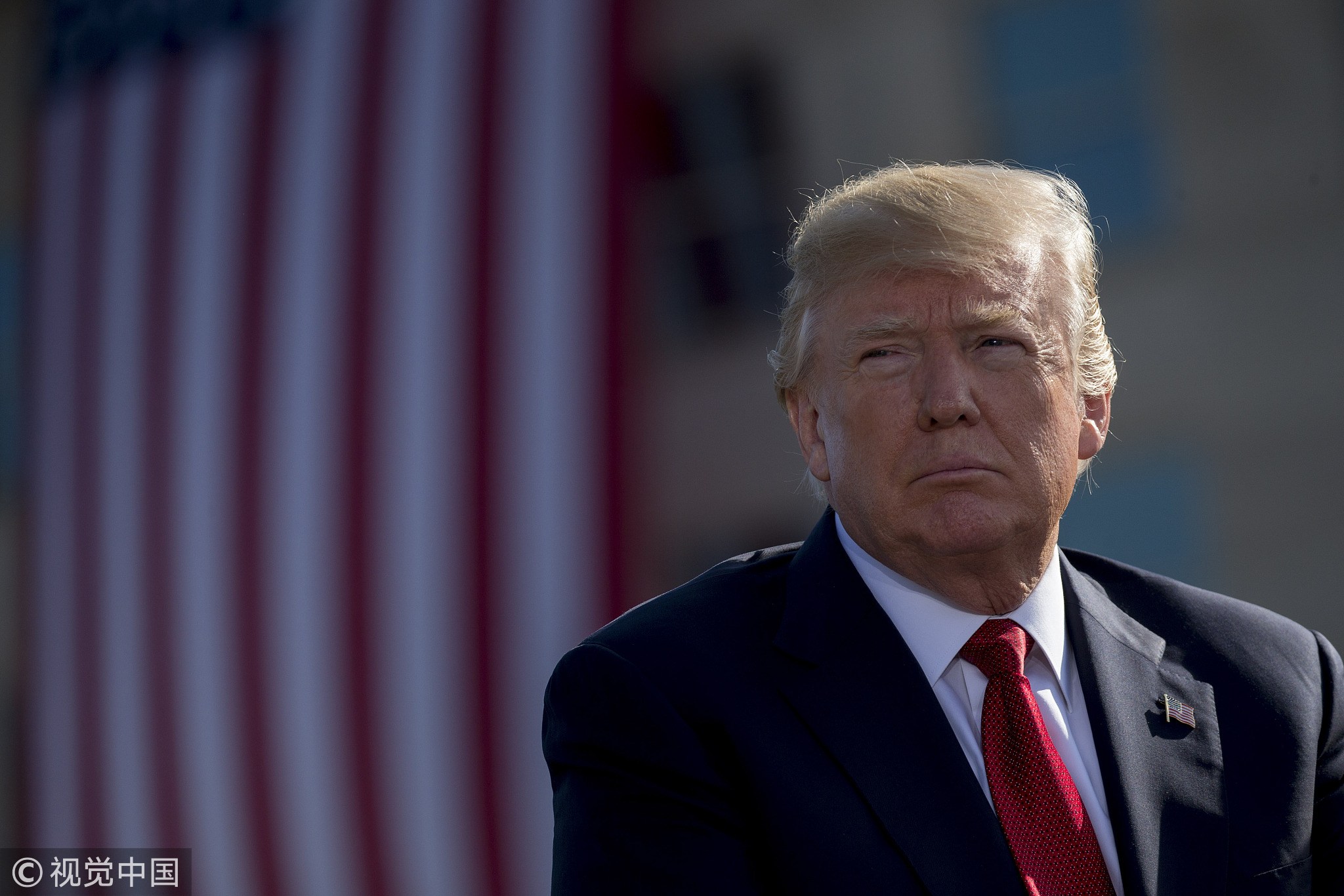
US President Donald Trump listens during a ceremony to commemorate the September 11, 2001, terrorist attacks, at the Pentagon in Washington, DC, on September 11, 2017. /VCG Photo.
US President Donald Trump listens during a ceremony to commemorate the September 11, 2001, terrorist attacks, at the Pentagon in Washington, DC, on September 11, 2017. /VCG Photo.
"We see an ideological equation here in the UK," said Raffaello, "There is a noticeable uptick and increasing sophistication in the extreme right wing along with some concerns and narratives about immigration."
Domestic extremists, ironically, can be another drive for more terrorist attacks. According to Vincent, many attacks are caused by white supremacists and nationalists.
"It's very important that American organizations recognize what is causing those very serious threats," he said. "We need to address it upfront in a very open and honest way."
To solve the problem fundamentally, Vincent suggested learning and cooperating more with local forces who spent years on the front line, fighting directly with those sophisticated transnational terrorist organizations.
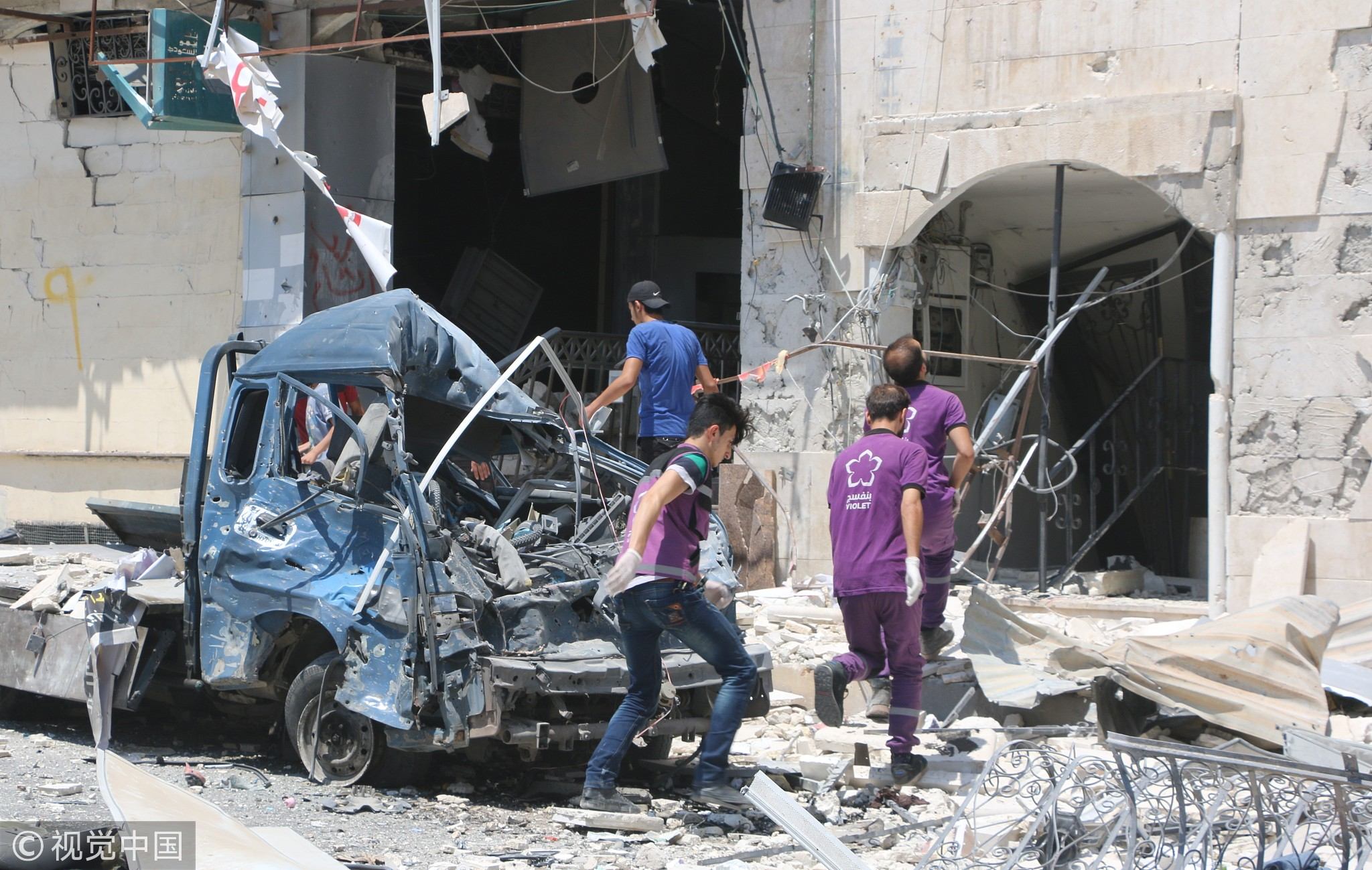
Civil defense members conduct a search and rescue operation after an attack carried out with a bomb-laden vehicle in Idlib, Syria, on August 2, 2018. /VCG Photo.
Civil defense members conduct a search and rescue operation after an attack carried out with a bomb-laden vehicle in Idlib, Syria, on August 2, 2018. /VCG Photo.
"The Kenya side is really addressing the issue seriously," he said. "They understand fully about the religious, political or social tensions after reaching out to people who feel marginalized, aligned, dissatisfied and try to help provide them with education and employment opportunities."
Akinola agreed, saying that the terrorism problem should be solved by mobilizing the African continent from inside. To win this multi-generation war, a deeper coalition between the international community and the local actors is the key.
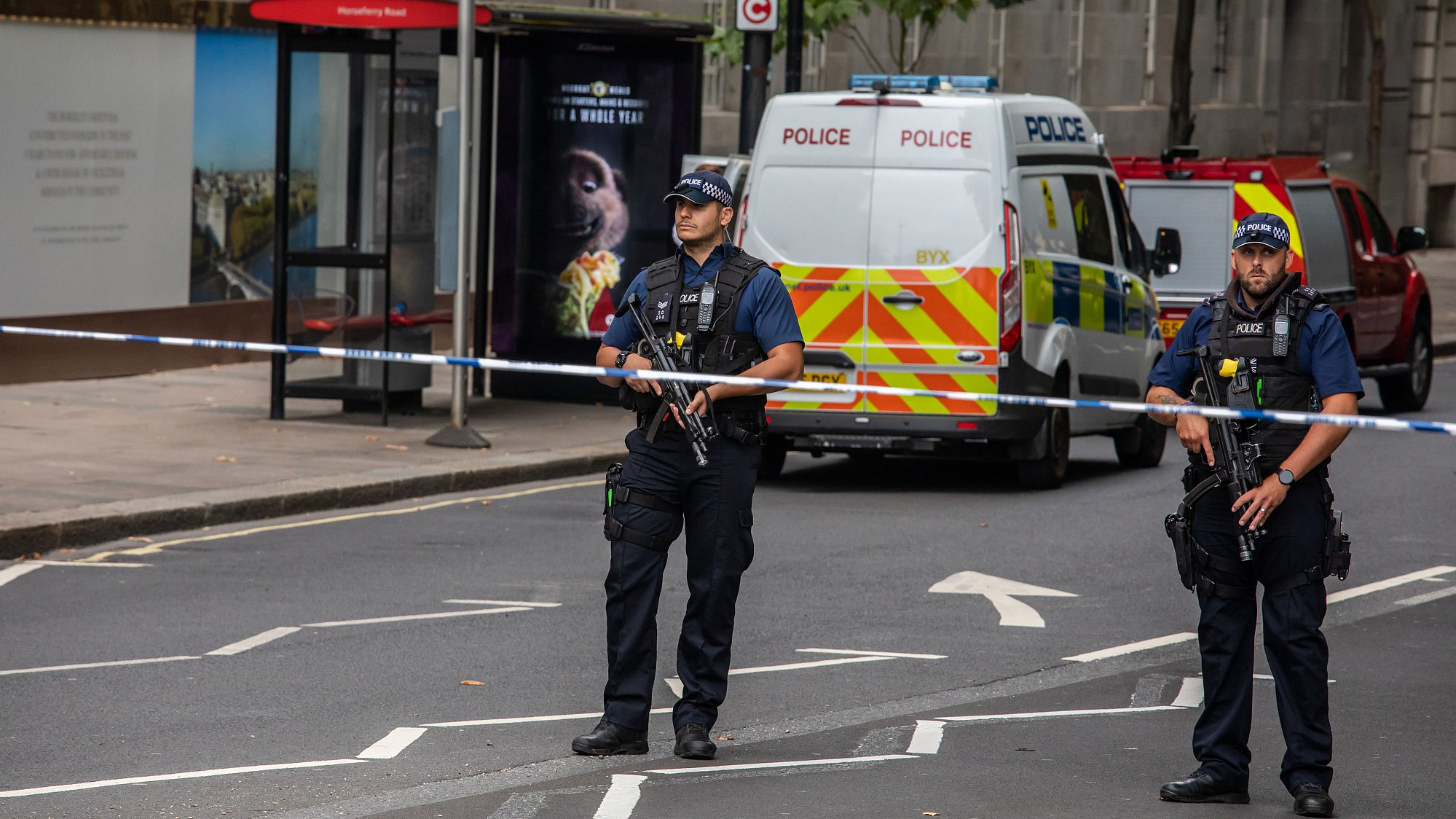
(Cover: Counter-terror police investigate after a car plowed into people and crashed into security barriers outside the House of Parliament on August 14, 2018. /VCG Photo.)
The Heat with Anand Naidoo is a 30-minute political talk show on CGTN. It airs weekdays at 7:00 a.m. BJT and 7:00 p.m. Eastern in the United States.