
Politics
14:26, 17-Jun-2018
Colombian voters await presidential run-off
 ["china"]
Share







Copied
01:56
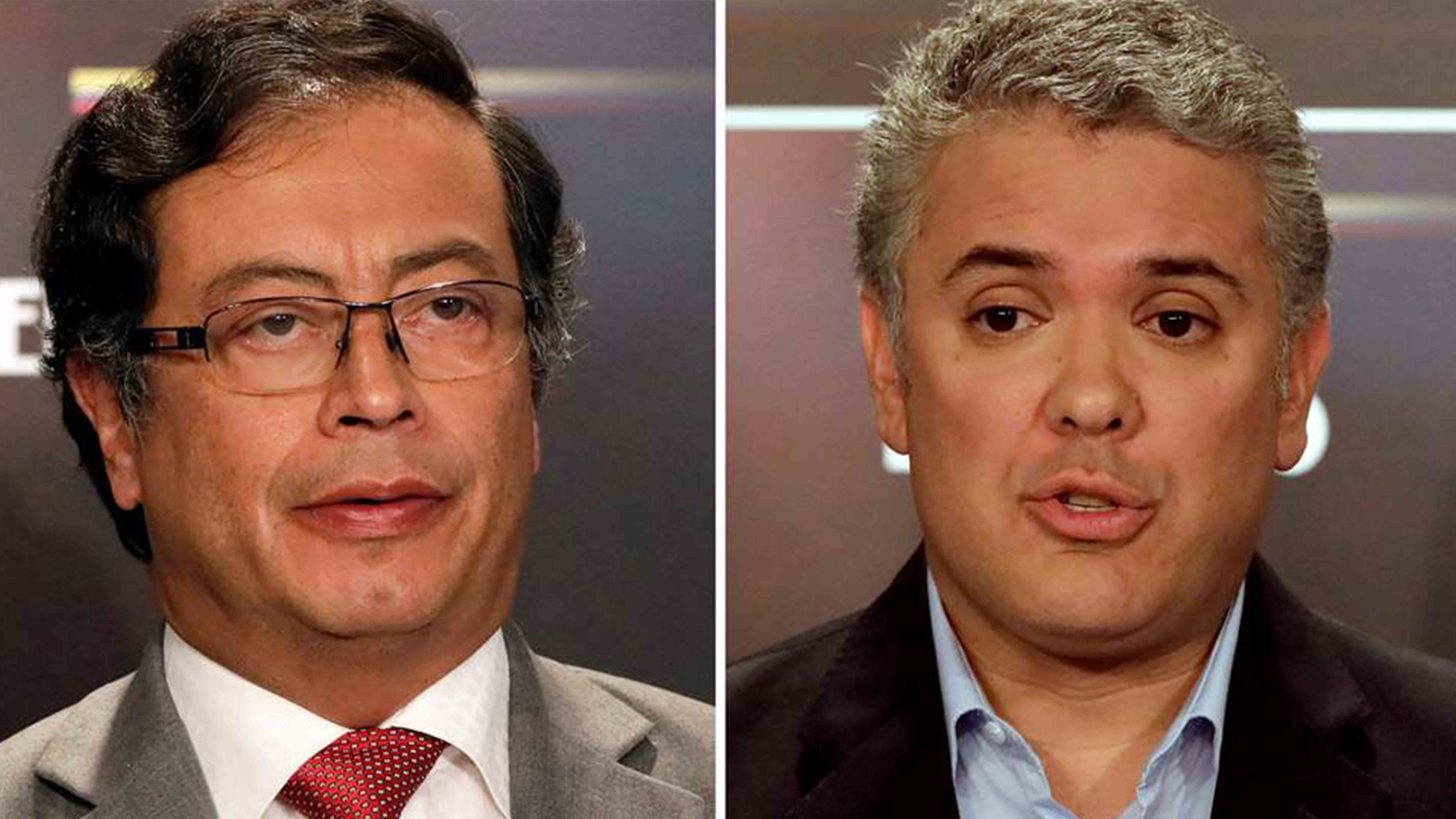
Deep polarization over the country’s peace accord with the FARC rebel group has left voters with two candidates with very different visions for the country.
Since no candidate secured the absolute majority in the first round of the presidential election on May 27, the two front candidates will enter a run-off on June 17.
CGTN Photo
CGTN Photo
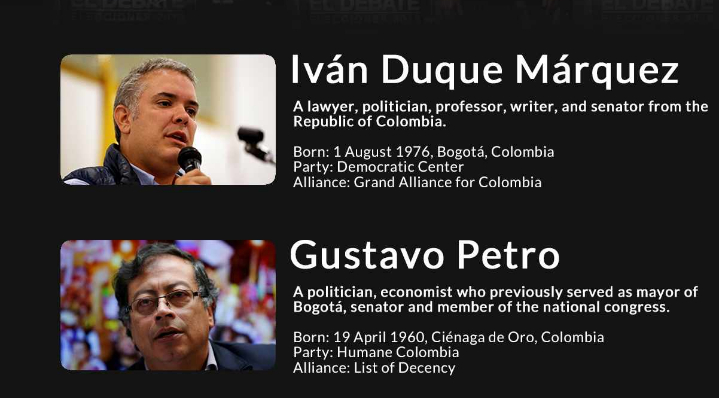
On one side is right-wing candidate Ivan Duque, a 41-year-old economist and former senator.
His promises to overhaul the landmark 2016 peace accord with FARC rebels has gained traction with conservative voters, and he garnered about 39 percent of the vote in the first round.
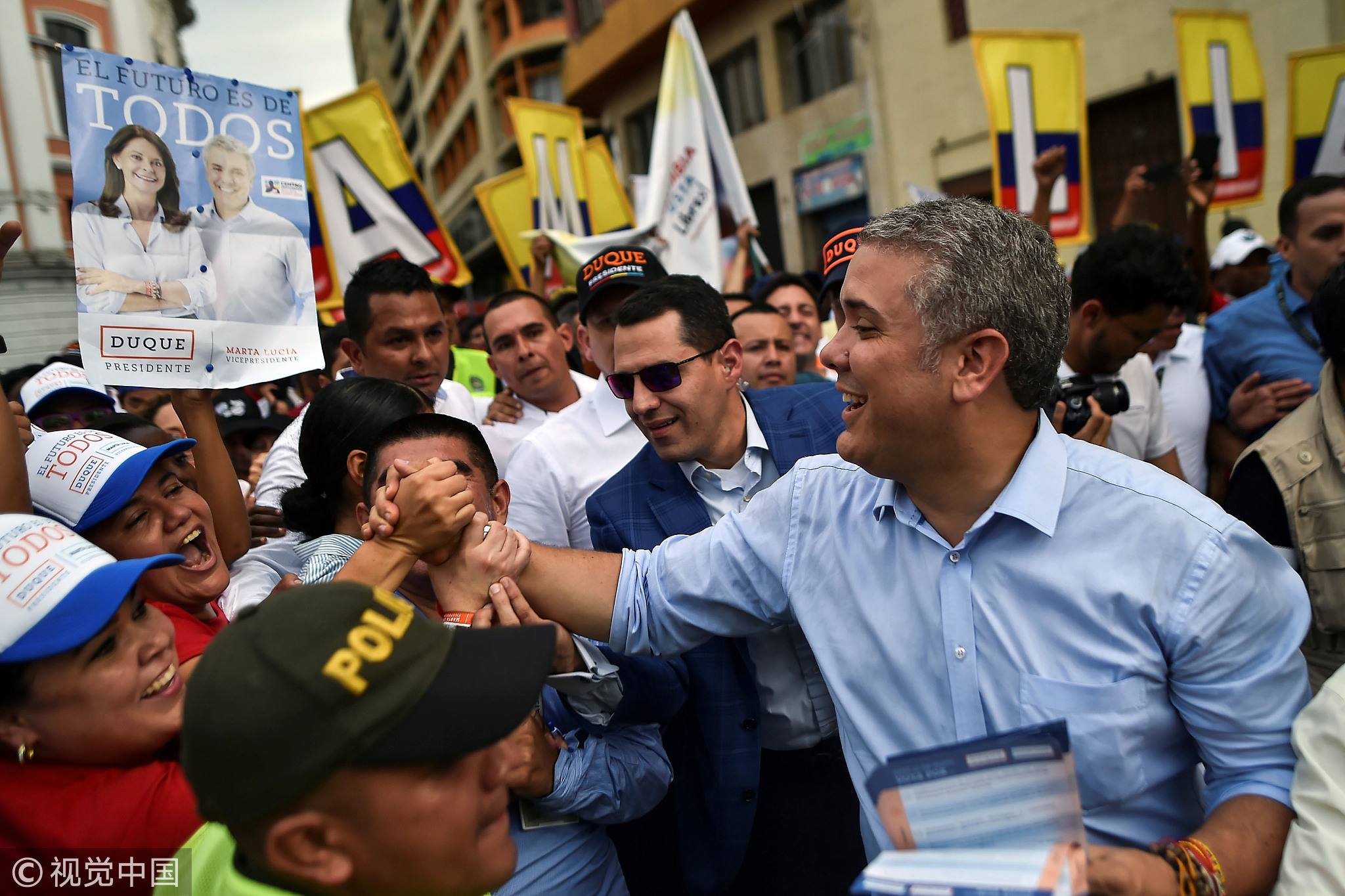
Colombia's presidential candidate for the Democratic Center Party, Ivan Duque (R), greets supporters during a campaign rally in Cali, Colombia, June 8, 2018. /VCG Photo
Colombia's presidential candidate for the Democratic Center Party, Ivan Duque (R), greets supporters during a campaign rally in Cali, Colombia, June 8, 2018. /VCG Photo
Duque promises effective measures to restart Colombia’s economy. “Investors can have absolute clarity that my objective is for them to come to the country and have their investments translate into an improvement in the living conditions of Colombians,” Duque said.
On the other side is the 58-year-old left-wing candidate and former Bogota Mayor Gustavo Petro, who got around 25 percent of the vote in the first round on May 27.
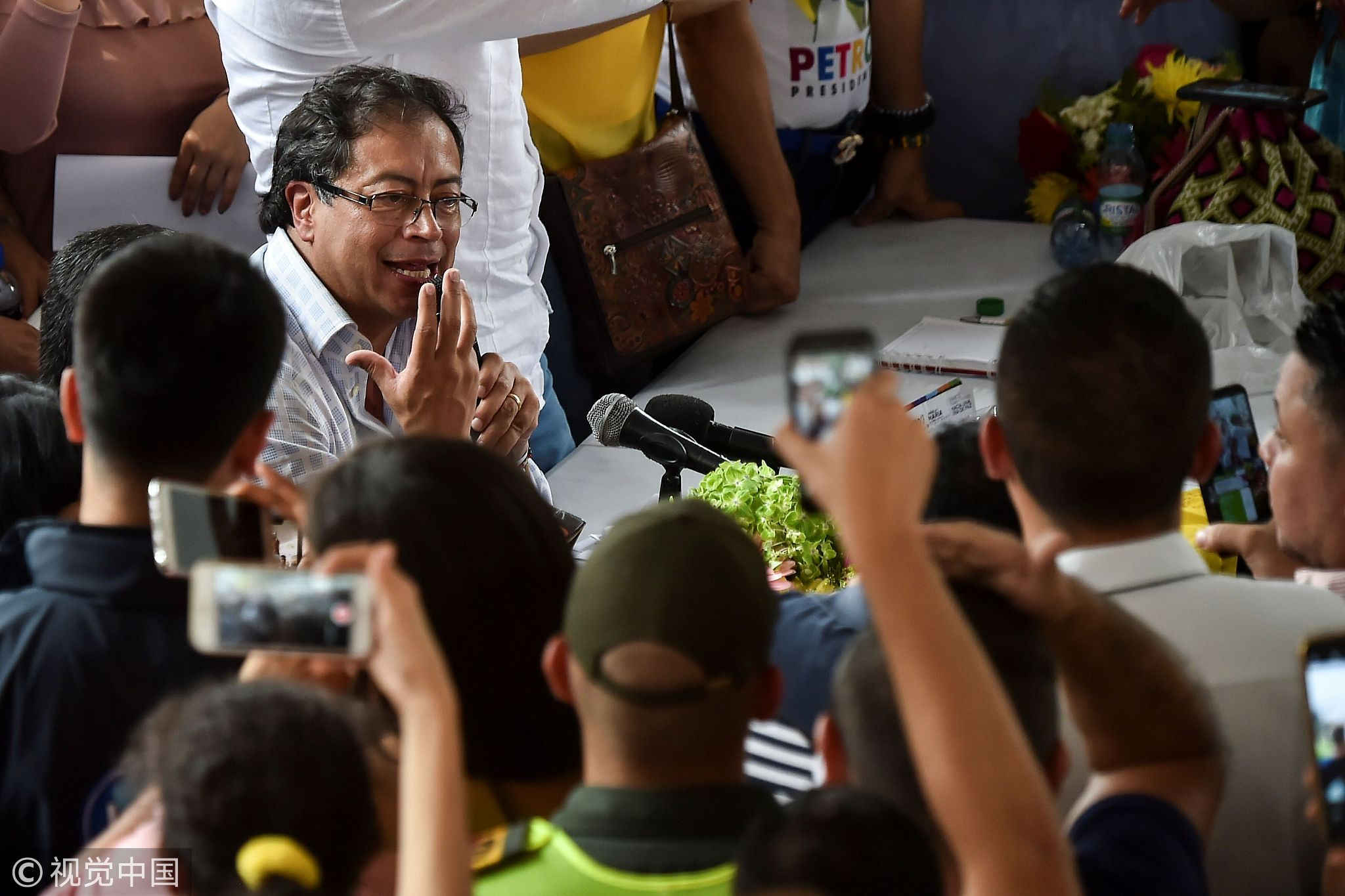
Colombian presidential candidate Gustavo Petro (L) for the Colombia Humana Party speaks to his supporters in a press conference during a campaign rally in Cali, Colombia, June 9, 2018. /VCG Photo
Colombian presidential candidate Gustavo Petro (L) for the Colombia Humana Party speaks to his supporters in a press conference during a campaign rally in Cali, Colombia, June 9, 2018. /VCG Photo
An opinion piece in the Chicago Tribune claims it is estimated that Petro's election would guarantee continuity of the peace process.
On the economic front, the former member of the demobilized guerrilla group M-19 is promising to promote ways of lessening Colombia’s economic inequality.
His economic model is based on strengthening the agricultural industry and developing alternative energy resources.
“On this beautiful land, in this very place, a democracy can exist, social justice can exist,” Petro thundered while on stage. “Educated people that make up a society of knowledge, that can build a fair and peaceful society, are possible.”
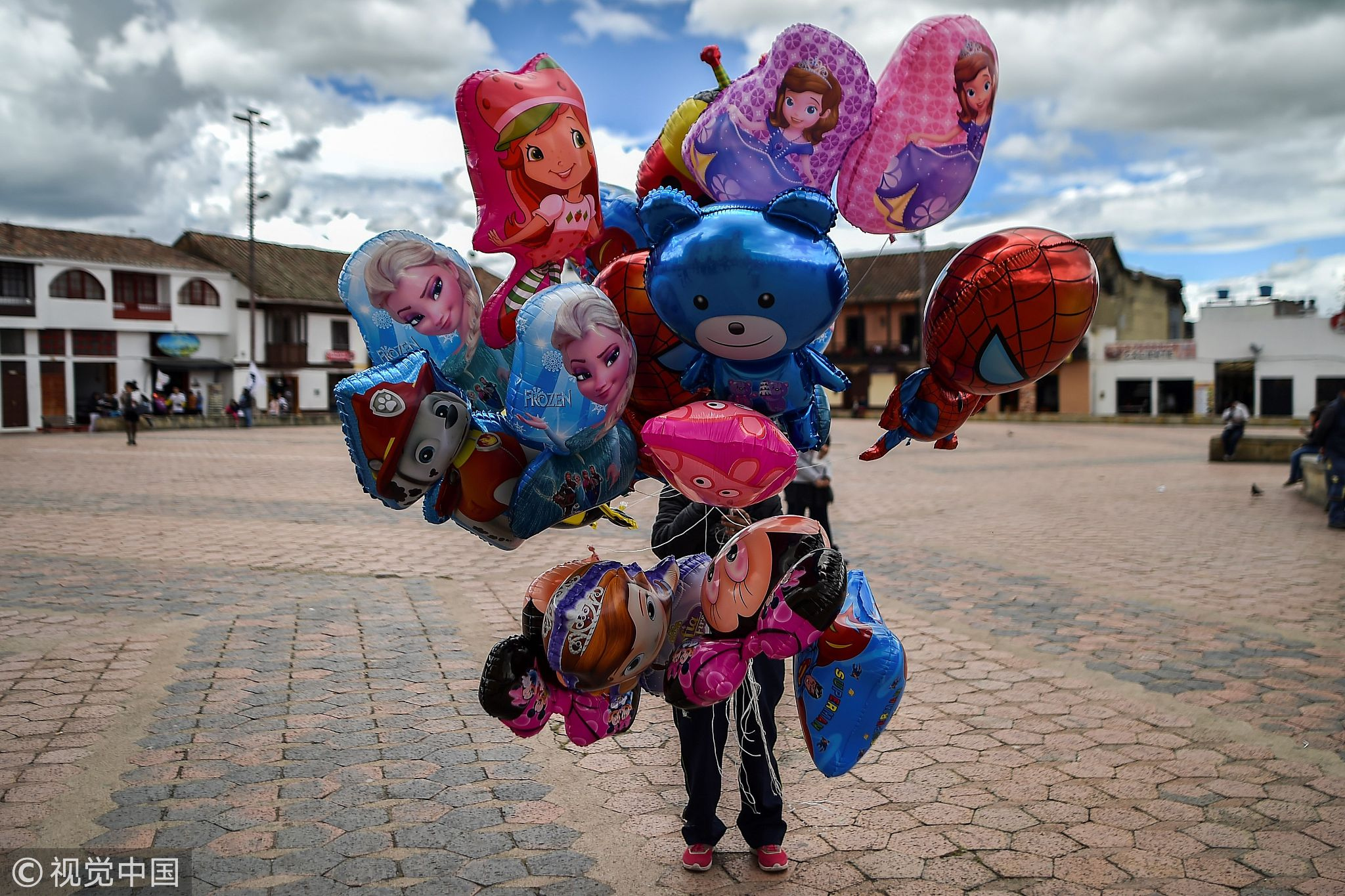
A vendor sells balloons outside the Church of Our Lady of Chiquinquira, on June 16, 2018, in Chiquinquira, Colombia, on the eve of Colombia's presidential run-off election. /VCG Photo
A vendor sells balloons outside the Church of Our Lady of Chiquinquira, on June 16, 2018, in Chiquinquira, Colombia, on the eve of Colombia's presidential run-off election. /VCG Photo
Colombians may have two economic paths to choose from, but analysts say deep polarization over the country’s peace accords with FARC may be the driving force on Sunday.
“In these campaigns there are clear proposals but I think – like in many elections – their proposals will take a step back on election day, and emotion is what’s going to push a large percentage of citizens to go out and vote,” political analyst Augusto Reyes said.
Whoever the winner, the new president will face the daunting task of uniting a divided country trying to recover from divisions that developed over half a century of armed conflict.