
Opinions
14:41, 28-Jul-2018
Opinion: A trade war unlike any other: China and the US
Updated
14:38, 31-Jul-2018
 ["china"]
Share







Copied
Editor's note: Vic Edwards is a visiting fellow at the University of New South Wales. The article reflects the author's opinion, and not necessarily the view of CGTN.
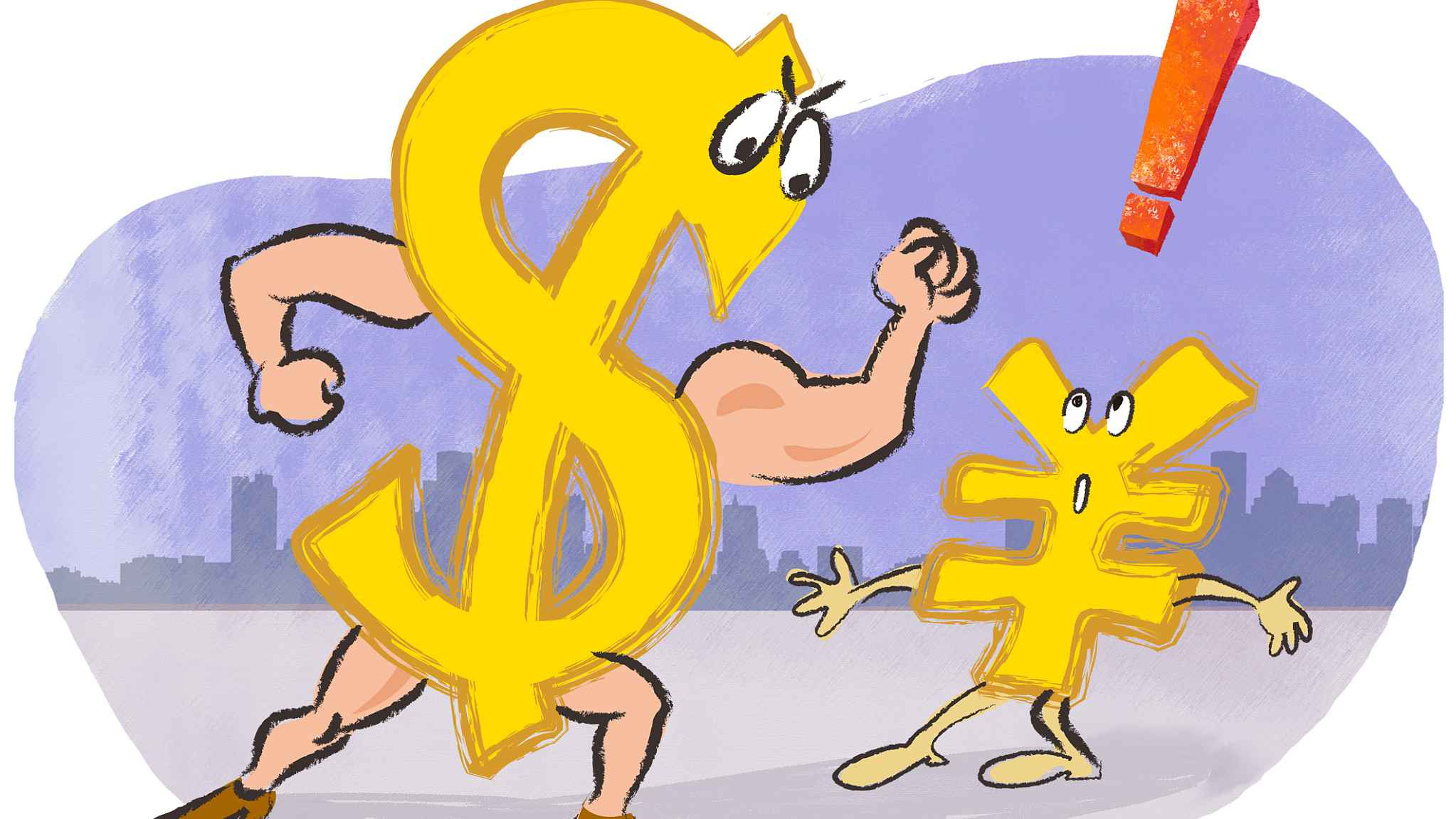
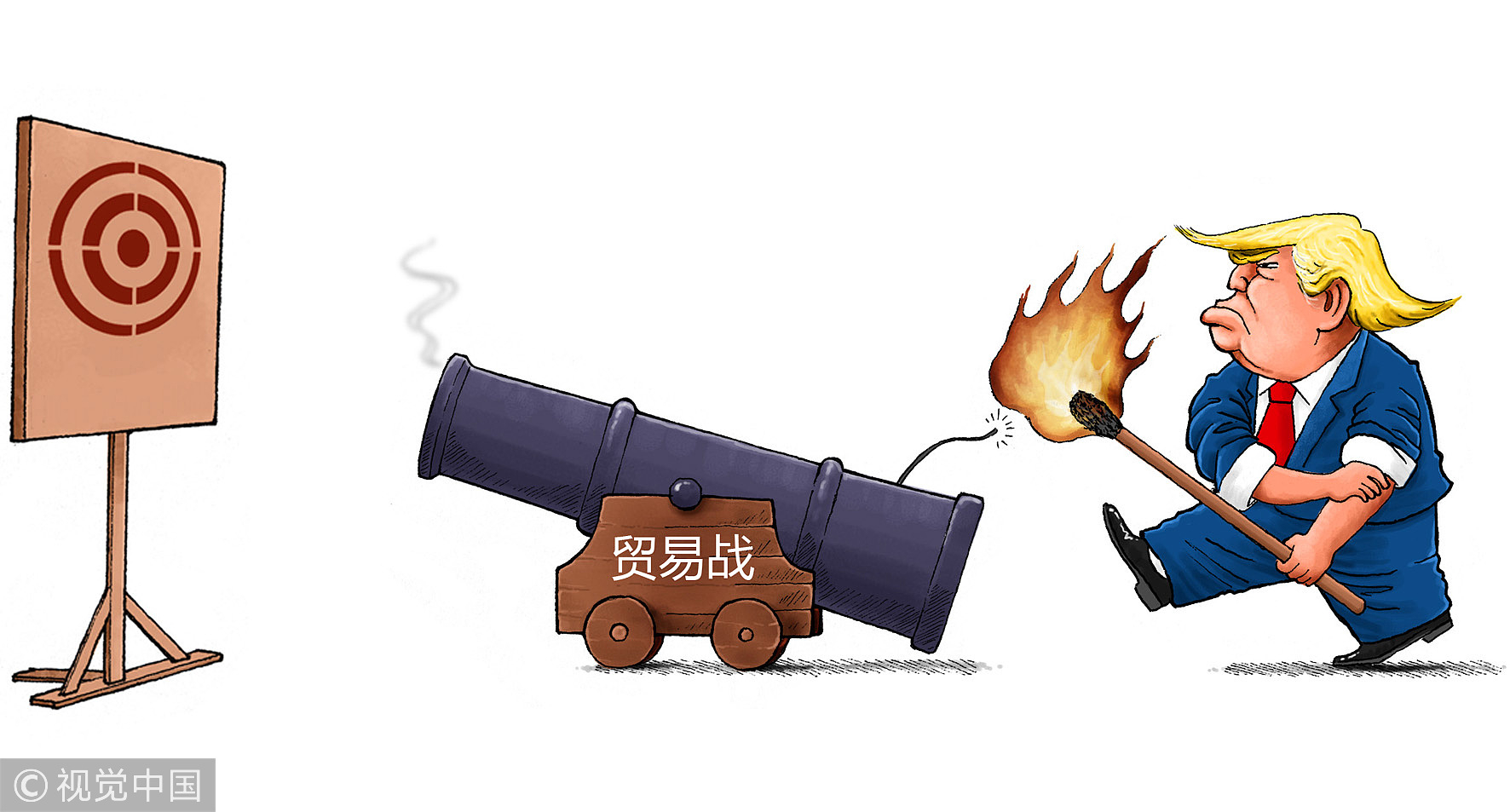
It is extremely difficult to be objective in discussing, analyzing or hypothesizing about the so-called trade war initiated by US President Donald against China primarily, but also against America’s traditional partners such as Canada and Mexico, among others.
Trump is a very different president insofar as breaking all established norms of negotiating with his foreign counterparts. His background as a businessman and not a politician or bureaucrat sets him apart from most other leaders except President Duterte of the Philippines.
Trump does what he says he will do even if it unsettles global order. He has bypassed the usual media spin on politics by issuing his own tweets and calling many adverse media releases "fake news.” He is rapidly earning a reputation as “Donald the Disruptor!”
Why has Trump taken tariff action against China? Trump has taken a quite historic view that over many years, successive Chinese administrations have de facto “stolen” intellectual property from the US.
VCG Photo
VCG Photo
The US had actively tried to prevent China for many years from becoming a member of the WTO, and when it did in 2001, had actively complained that China did not liberalize its financial markets.
According to the China Banking Regulatory Commission (CBRC) Annual Report 2011, that year, the Office of the US Trade Representative reported to Congress that China did not comply with its WTO obligations because foreign banks were discriminated against as they were not given the same regulatory treatment as Chinese banks: (i) Capital requirements were seen as an entry barrier and (ii) Foreign equity ownership for companies and banks was generally limited to less than 50 percent so foreign entities were controlled by the state.
Trump thought that previous US presidents, Bush, Clinton and Obama, had not been tough enough on China and thus China had gotten away with IP theft and other forms of unfair trade practices.
China, through Chinese President Xi Jinping and other officials such as Chinese State Councillor and Foreign Minister Wang Yi and Chinese Minister of Commerce Zhong Shan, has strongly defended its position and rebutted Trump’s allegations that it has gained an extra advantage through unfair trade practices. They have all said that such allegations are a distortion of the facts.
Minister Zhong said the problems of the US economy stem purely from domestic and structural reasons in the US, and not from practicing mercantilism outside China or the practice of state capitalism.
VCG Photo.
VCG Photo.
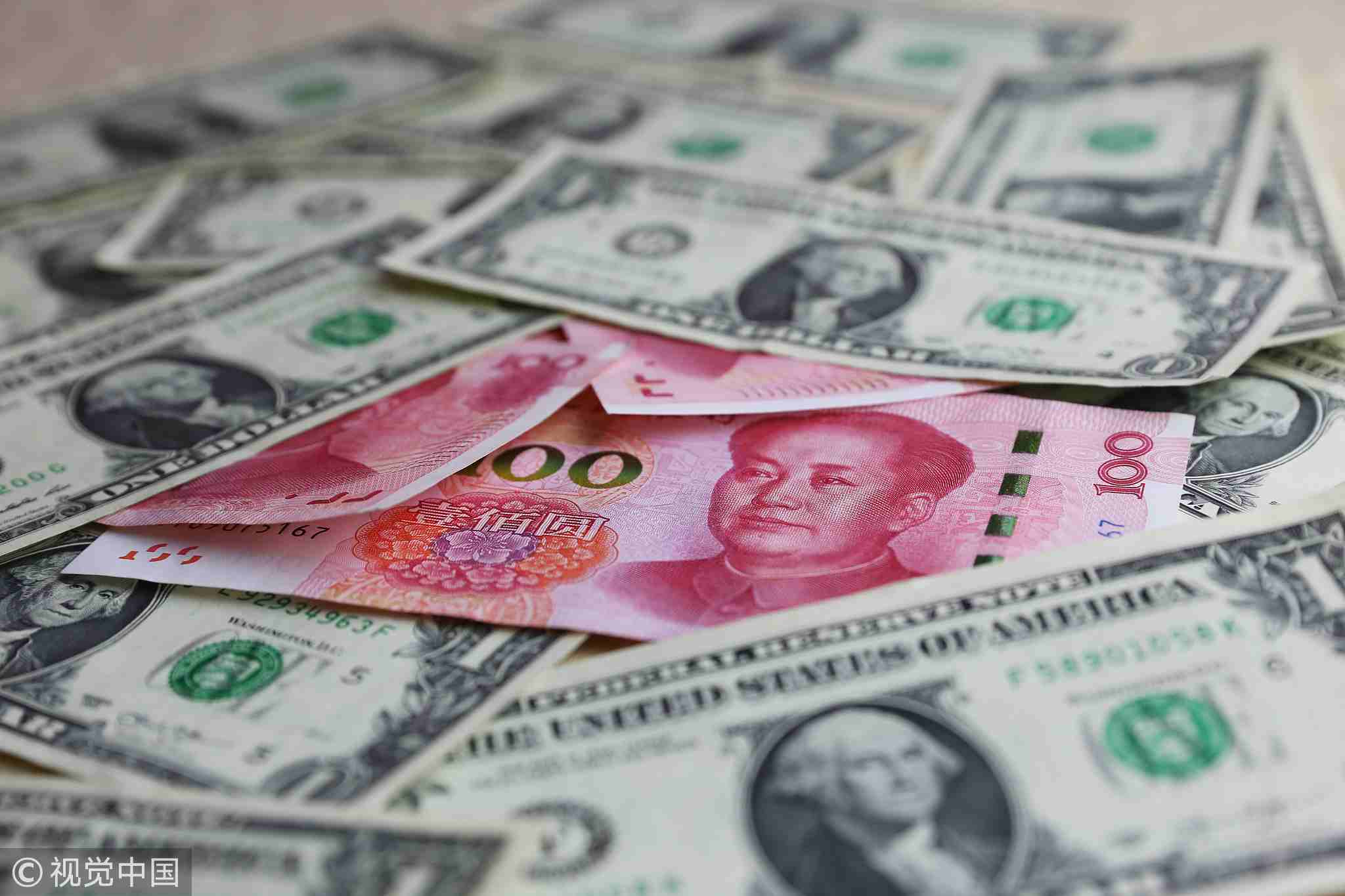
China also asserts that the trade imbalances between the two countries are caused by the very low saving rate in the US because the US dollar serves as an international reserve currency. China’s media has also pointed out that the US and China differ markedly in industrial competitiveness and international comparative advantage.
China says that US assertions that tit-for-tat 25 percent tariffs against US goods violate WTO and GATT undertakings are not true. It is the US that is violating the GATT trade dispute resolution provisions of 1998. It says that the US has violated the basic spirit and principles of WTO and international law.
My own opinion is that China is probably correct on this point. Trump would say that the principles of WTO and international law are now biased against the US – in part due to the US’ complacency over a number of years as mentioned above.
So, do we see any resolution in what appears to be the makings of a trade war between the two largest trading economies in the world? If a tit-for-tat trade war does take place between China and the US, there will be no real winners and the world economy will be dragged into danger.

A worker checks a cap on a bottle of soybean oil on a production line at the Hopeful Grain and Oil Group factory in Sanhe, in China's northern Hebei Province, July 19, 2018. /VCG Photo.
A worker checks a cap on a bottle of soybean oil on a production line at the Hopeful Grain and Oil Group factory in Sanhe, in China's northern Hebei Province, July 19, 2018. /VCG Photo.
It is my opinion that the continuing disruptive negotiation tactics adopted by President Trump have taken all by surprise and have to some extent achieved what Trump wanted to do – dismantle the existing order that he considers to be unfair to the US and build another structure that is more favorable to the US.
Trump has also signaled his personal dislike of China’s “Made in China 2025” campaign as he felt that China was signaling its intent to overtake the US in trade in the future. Trump also disliked the “Belt and Road Initiative” but this program is likely to be the blueprint for peaceful globalization.
It is the reality now that China is the defender of free trade and compliance with WTO undertakings and the US is the transgressor.
Both Xi Jinping and Trump are masterful in their understanding of international negotiation. It is not the rhetoric that is spoken but what is the outcome. Both countries have much to gain or lose by the outcomes of the so-called trade war.
My view is that there will be no long-term trade war and that the two leaders will come to an accommodation of each other’s core policies and issues. Trump will get a softening of IP trade issues with China and China will get the recognition that it is becoming a global trade force.