
Opinions
16:40, 01-Aug-2018
Opinion: How will China-US trade tensions affect the Chinese economy?
Updated
16:41, 04-Aug-2018
 ["china"]
Share







Copied
01:52
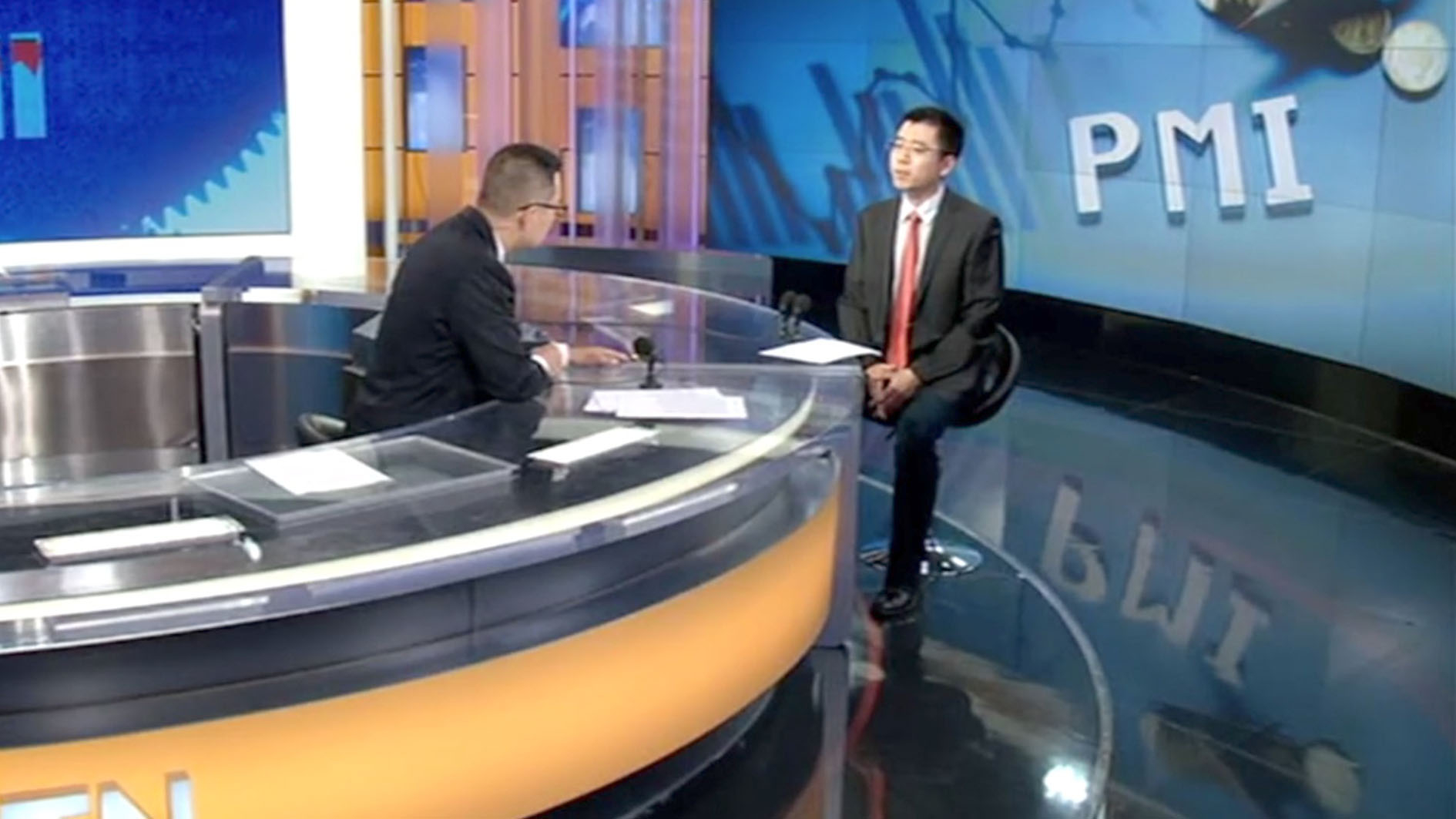
Editor's note: This article is based on an interview with Hu Yuwei, research fellow and head of the Macro Research Department at the China Institute of Finance and Capital Markets
The Political Bureau of the Central Committee of the Communist Party of China held a meeting on Tuesday to set the direction of economic work in the second half of the year. The Chinese leadership said China has continued to open up and the economy remained stable in the first half of the year and they will continue to implement proactive fiscal policies and prudent monetary policies for the second half of the year. But the country faces new challenges with changes in the global economic environment.
To what extent will the trade tensions impact the Chinese economy? Hu Yuwei, research fellow and head of the Macro Research Department at the China Institute of Finance and Capital Markets shared his opinions.
"The trade (dispute) is bad if not war yet between China and US," Hu said. "Indeed, it has been a major consensus for the Chinese central leadership, we have to admit."
However, apart from the external factors, there are some internal factors that will also impact the Chinese economy, Hu added, "because Chinese economy depends on domestic situations, for example, consumption." Consumption has been playing an increasingly important role in terms of stimulating China's economy, but the past few months have seen a decline in the growth of consumption.
"That's something we have to prepare for. For the second half of this year, the economic situation in China is less optimistic than it was before," said Hu, meaning that we should consider both internal and external factors when analyzing the Chinese economy.
Hu said the promise of the Chinese leadership to implement proactive fiscal policies and prudent monetary policies is because they don’t want to repeat what happened in 2008.
In response to the financial crisis that began that year, China introduced a number of stimulus measures to expand domestic demand and maintain economic growth and that led to inflation.
According to Hu, given the current external situation, the authorities, on the fiscal side, could target areas where there are shortcomings, such as infrastructure.