
CBA
18:15, 07-May-2018
A competition between Chinese and foreign head coaches in CBA
 ["china"]
Share







Copied
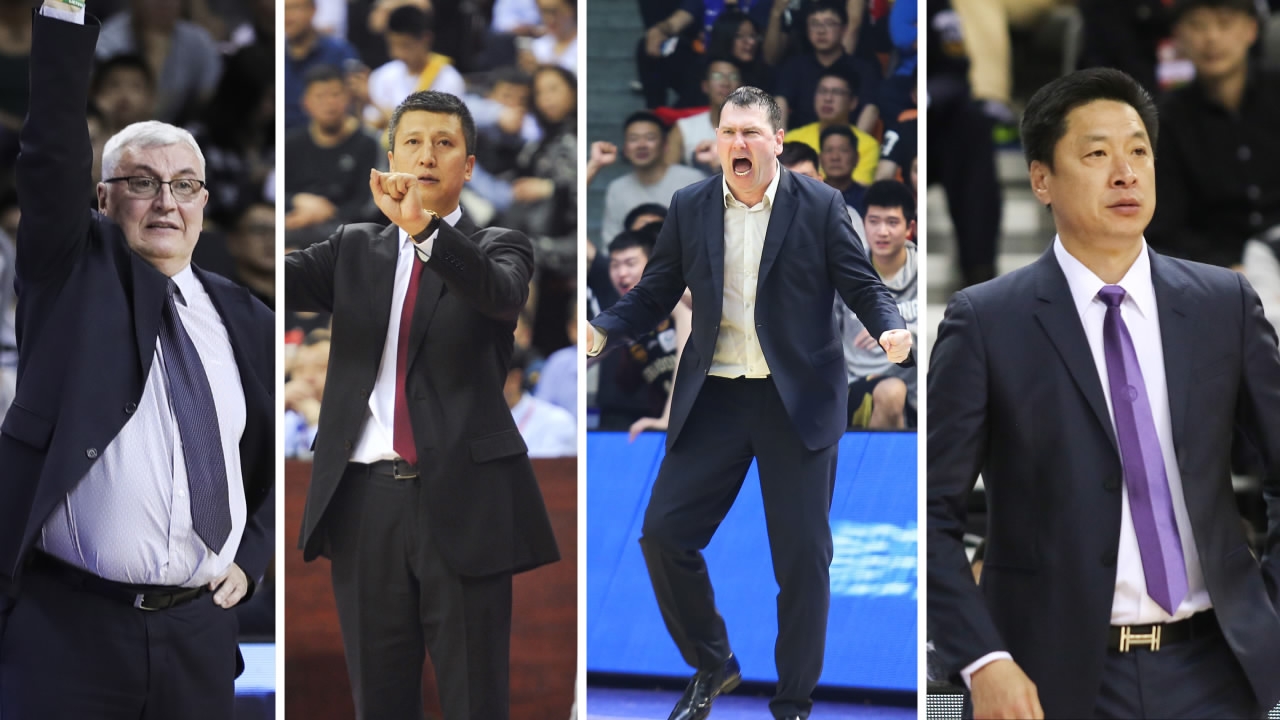
As the Xinjiang Flying Tigers announced on Sunday that it has hired Brian Goorjian as its new head coach, the number of foreign head coaches in CBA for 2018-19 season has reached seven and is unlikely to stay there. The competition between them and home-grown Chinese head coaches will be something to watch out for.
Chinese head coaches maintain small lead
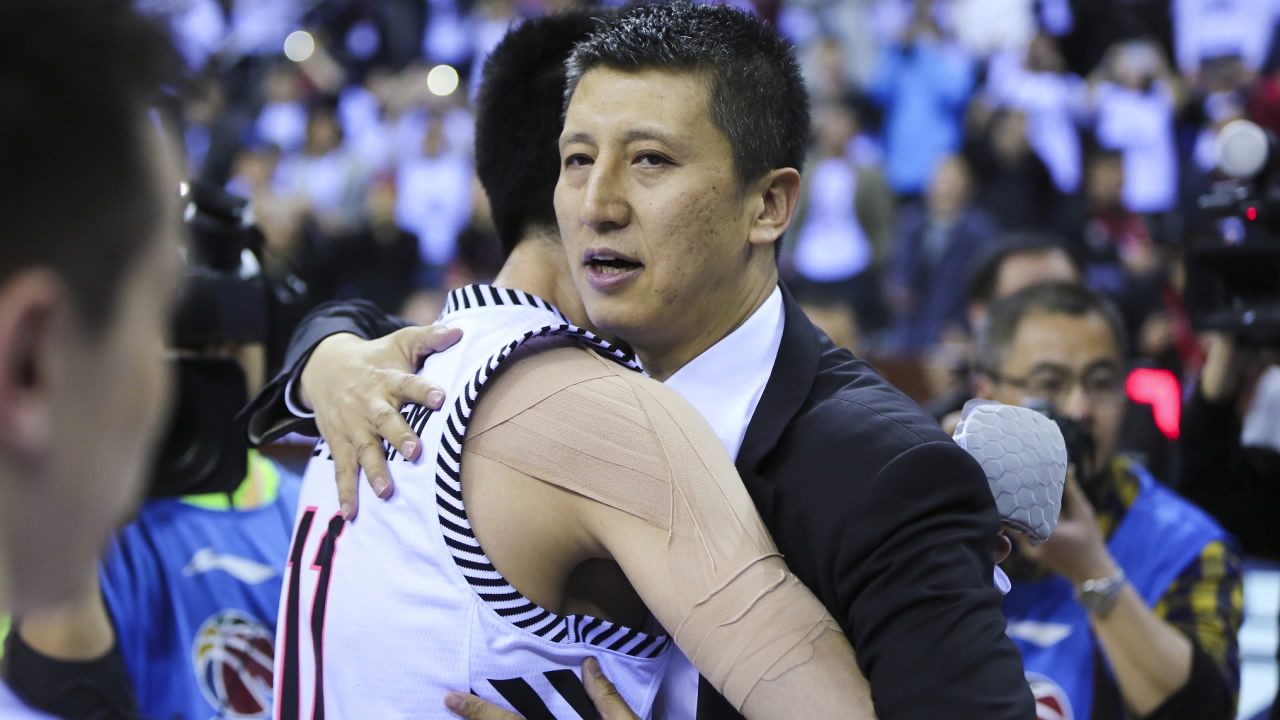
Guo Shiqiang leads the Liaoning Leopard for their first CBA championship in 2018. /VCG Photo
Guo Shiqiang leads the Liaoning Leopard for their first CBA championship in 2018. /VCG Photo
In the past 2017-18 season, foreign coaches have achieved remarkable success. Lithuanian Jonas Kazlauskas and Serbian Aleksandar Kesar have repectively led the Guangdong Tigers and the Shandong Hi-Speed both into the best four. Memi Becirovic from Slovenia helped the Jiangsu Dragons return to the CBA playoffs after seven years. Greek Yannis Christopoulos and his Beijing Ducks came back from the series with the Shanghai Sharks before they posted great challenges to the champion winner Liaoning Leopards.
In the two series between the last four teams, Chinese head coaches Guo Shiqiang led the Liaoning Leopards to defeat Jonas Kazlauskas and his Guangdong Tigers after five stunt games while Li Chunjiang has his Zhejiang Lions knocked out Yannis Christopoulos' team in seven uphill games. Their victories have helped home-grown coaches get the upper hand in the competition with their foreign counterparts.
Foreign coaches have richer experience while Chinese coaches know their teams better

Foreign head coaches like Jonas Kazlauskas are way more experienced than home-grown coaches at directing team in major games. /VCG Photo
Foreign head coaches like Jonas Kazlauskas are way more experienced than home-grown coaches at directing team in major games. /VCG Photo
The two sides have different advantages. Foreign head coaches mostly have led national teams to play in world tournaments or the Olympic Games. They understand more tactics and have seen more unexpected situations. This is something that even the best home-grown coaches do not possess.
On the other hand, Chinese coaches are way more familiar with everything happening in CBA: the standard of the referees, feelings of players as well as how to utilize these factors in the games, giving themselves "home advantage" against foreign coaches. After all, it is more efficient to communicate directly than through translation.
Such competition is good for Chinese basketball

Foreign coaches like Bob Hill have a lot for Chinese coaches and players to learn. /VCG Photo
Foreign coaches like Bob Hill have a lot for Chinese coaches and players to learn. /VCG Photo
In today's CBA, such competition is never solo-fight but a team contest. Li Chunjiang has Bob Hill assisting him for years; Guo Shiqiang has been working with two Spanish assistant coaches; Brian Goorjian worked for the Shanghai Sharks for two years. Therefore, this is not a fight between Team China and Team Foreigners but a game to decide which team is better at coaching.
One thing for sure: as more foreign coaches, especially those from European countries enter CBA, both Chinese players and coaches will have access to more advanced basketball tactics and theories, transforming faster from relying on solo-play towards focusing on team-play, which is beneficial for the development of the country's basketball.