
Business
21:22, 07-Jun-2018
Turkey's central bank raises rates again, says ready to tighten further
 ["other"]
Share







Copied

Turkey’s central bank ramped up its benchmark rate by 125 basis points to 17.75 percent on Thursday, taking another step to assert its independence weeks after an emergency hike in borrowing costs.
Concerns about President Tayyip Erdogan’s growing influence on monetary policy and doubts over the central bank’s ability to rein in double-digit inflation have sent the lira down some 16 percent this year.
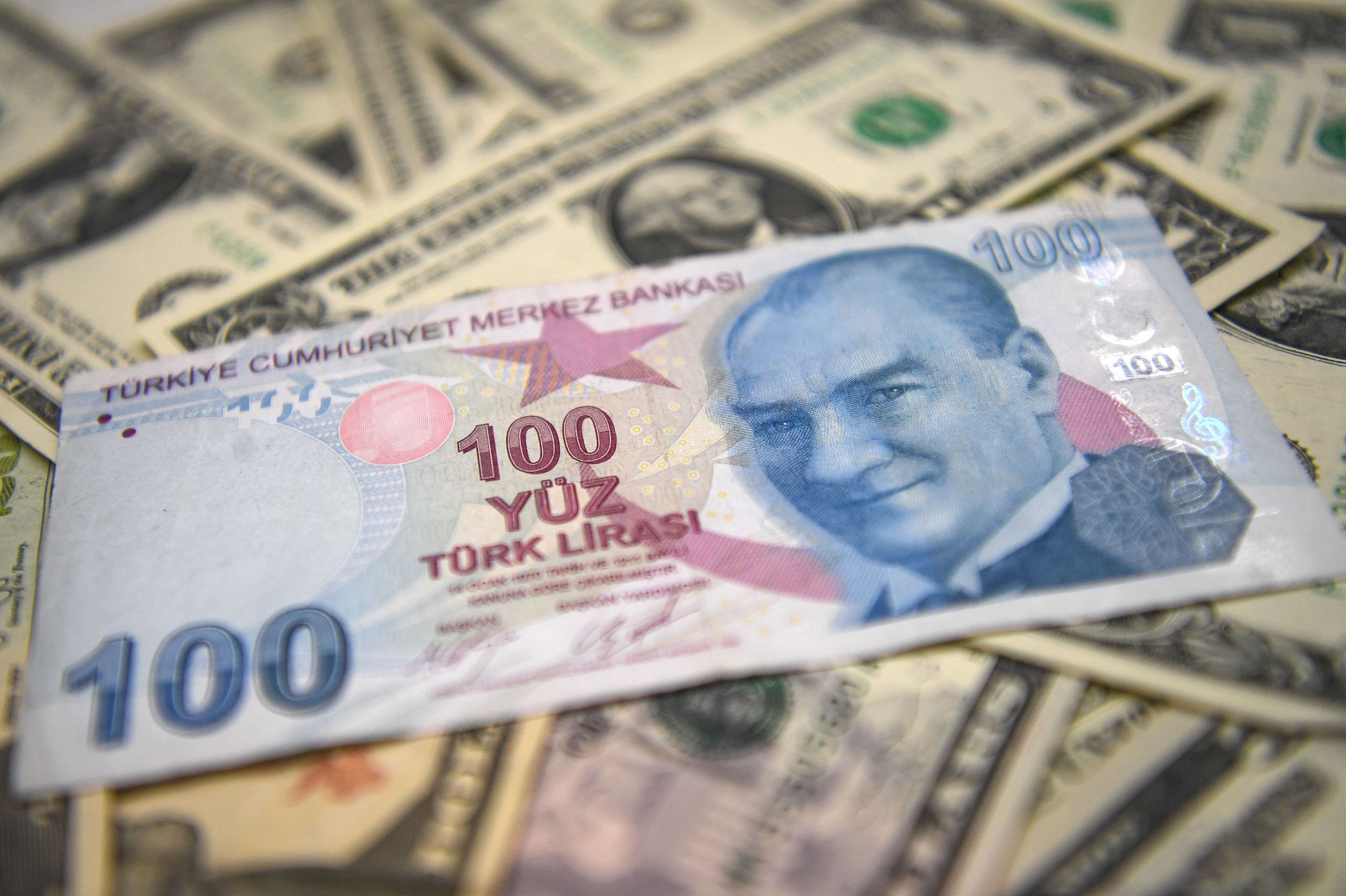
The currency rallied some 2 percent against the dollar after the move, while bond yields fell and stocks advanced.
“To our mind, raising interest rates by 125 basis points is a strong hawkish signal that the central bank is fully committed to regain control over inflation by trying to stabilise the lira,” said Piotr Matys, emerging markets forex strategist at Rabobank.
“Over the long-term horizon, what will be crucial is to deal with economic imbalances in Turkey,” he said, citing persistently high inflation and a widening current account deficit.
The bank has now hiked rates by 4.25 percentage points in just over two weeks, following a 3 percentage point increase at an emergency meeting last month. In an effort to increase transparency, it has also returned to a single policy rate.
It said on Thursday it stood ready to tighten policy again if needed to put a lid on inflation.
Investors had been expecting a second hike, particularly after data on Monday showed annual inflation quickened to 12.15 percent in May.
VCG Photo
VCG Photo
“Despite the mild outlook for demand conditions, elevated levels of inflation and inflation expectations continue to pose risks on the pricing behaviour,” the bank said in a statement following its last scheduled monetary policy committee meeting before national elections on June 24.
The bank’s move to a single rate - it had for years used a complex system of multiple rates to set policy - was long sought by investors. Its other rates, including the late liquidity window, are now directly derived from the benchmark rate, meaning policy should be more predictable.
‘POSITIVE SURPRISE’
Eleven of 16 economists polled by Reuters had predicted the bank would hike its one-week repo rate, but none had forecast such a large move.
Five each had tipped increases of 50 and 100 basis points and five others made no changes. One economist predicted a rise of 75 basis points.
“It is quite a positive surprise,” said Kaan Nazli, a senior economist at Neuberger Berman. “Nobody was expecting that. That will give them a lot of credibility ahead of the election.”
Erdogan, a self-proclaimed “enemy of interest rates”, has stepped up pressure on the central bank in the run-up to the presidential and parliamentary ballots to cut borrowing costs in order to spur credit growth and construction.
VCG Photo
VCG Photo
The lira rout has reflected investors’ concerns about the monetary policy outlook under the president.
“The worries will remain that once Erdogan renews his term he will be more interventionist in terms of central bank policy,” Neuberger Berman’s Nazli said.
“But at least the move today gives the central bank a bit more flexibility to cope with that and at least the starting point will be in a better place than we thought months ago.”
Ratings agency Moody’s last week placed Turkey’s credit rating - already at non-investment grade - on review for downgrade, citing concern over economic management and erosion of investor confidence.
The ebbing confidence marks a significant challenge for a country deeply dependent on net capital inflows, it said, adding authorities were unable to fully address structural economic problems.
Turkey was once seen as a star emerging market for its years of rapid economic growth, but foreign investors have cooled on it, citing worries about what they view as Erdogan’s growing authoritarianism.
Following a coup attempt in 2016, some 160,000 people have been detained and dozens of media outlets shut in a crackdown. The government says such measures are necessary given the security threats it faces.
The lira, which firmed to 4.4560 against the dollar following the decision from 4.5799 directly before, was at 4.4740 as of 1212 GMT.
Source(s): Reuters