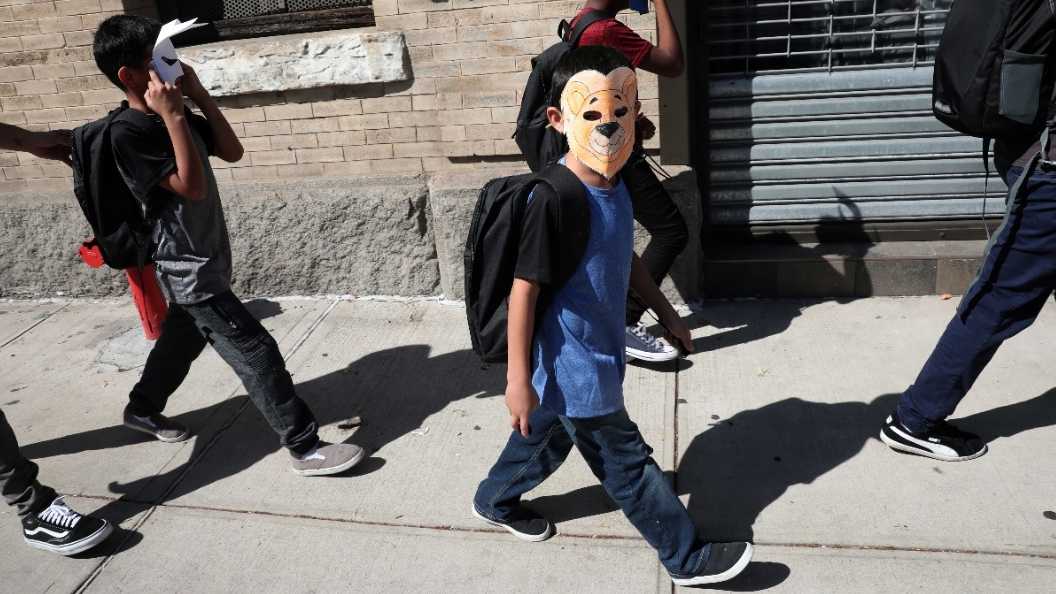
The US military has been asked to get ready to house up to 20,000 immigrant children, officials said on Thursday, as President Donald Trump's efforts to roll back a widely condemned policy of separating children from their parents were beset by confusion.
While no decision has been made, the Department of Health and Human Services (HHS) has already assessed three military bases in Texas and would review another in Arkansas, Pentagon spokeswoman Dana White said.
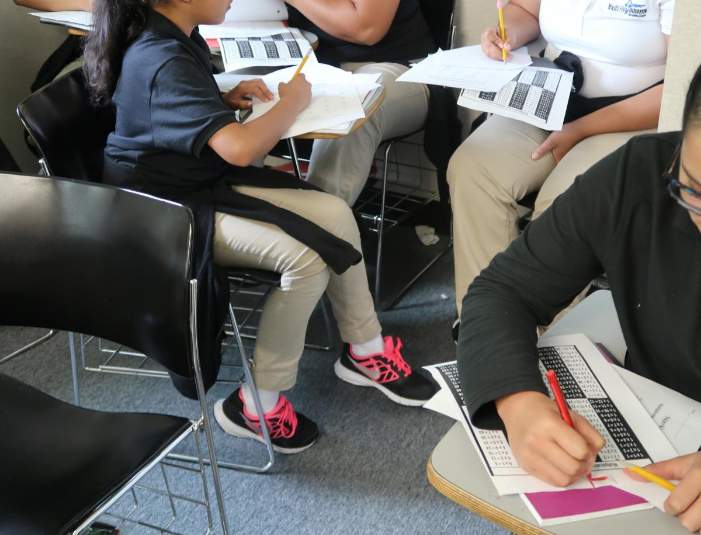
Unaccompanied minors are seen at the Bristow facility, in this photo provided by the US Department of Health and Human Services, in Bristow, Virginia, US, June 21, 2018. /Reuters Photo
Unaccompanied minors are seen at the Bristow facility, in this photo provided by the US Department of Health and Human Services, in Bristow, Virginia, US, June 21, 2018. /Reuters Photo
The spokeswomen did not give further details and it was not clear how many of the children who could be sent to the bases are already being detained at other facilities.
Trump and his administration have faced fierce criticism in recent weeks for separating more than 2,300 children from their families in order to prosecute their parents for crossing the border illegally.
Video footage of children sitting in cages and an audiotape of wailing children sparked worldwide anger.
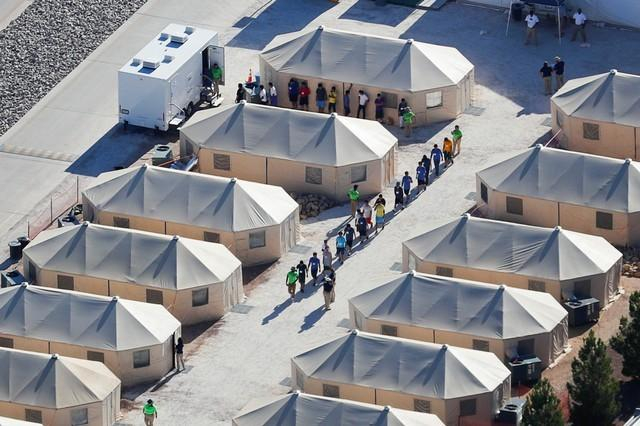
Immigrant children walk in single file at the facility near the Mexican border in Tornillo, Texas, June 19, 2018. /Reuters Photo
Immigrant children walk in single file at the facility near the Mexican border in Tornillo, Texas, June 19, 2018. /Reuters Photo
Trump backed down on Wednesday, signing an executive order to keep families together in detention during immigration proceedings.
But it remained unclear late on Thursday how and when those children would be reunited with their parents, and where families would be held while the parents face criminal charges.
It was also not clear if the government would keep prosecuting cases against people caught crossing the border illegally.
First lady Melania Trump on Thursday flew to Texas to visit children displaced by the immigration crisis. Trump made cracking down on illegal immigration a key part of his presidential campaign in 2016, but his recent policies have upset many lawmakers inside his own Republican Party.
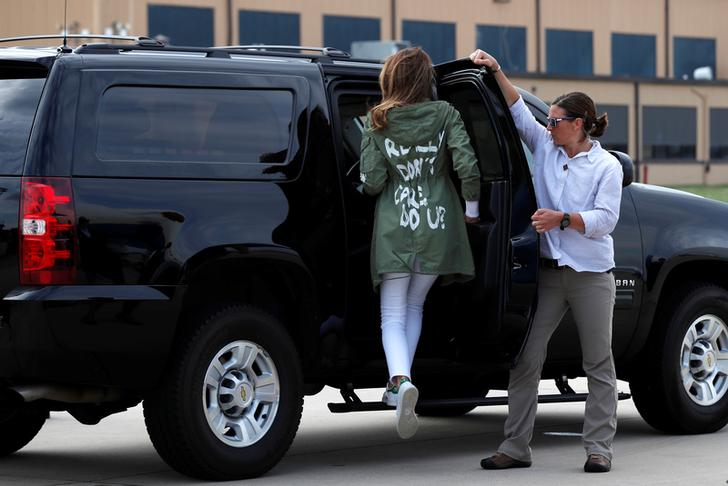
US first lady Melania Trump walks to her motorcade wearing a Zara design jacket with the phrase "I Really Don't Care", after her visit to the Lutheran Social Services of the South's Upbring New Hope Children Center in McAllen, Texas, June 21, 2018. /Reuters Photo
US first lady Melania Trump walks to her motorcade wearing a Zara design jacket with the phrase "I Really Don't Care", after her visit to the Lutheran Social Services of the South's Upbring New Hope Children Center in McAllen, Texas, June 21, 2018. /Reuters Photo
The president could face renewed criticism if thousands of immigrant children are soon sent to be housed on military bases.
It would not be the first time for such an arrangement. In 2014, the Obama administration set up temporary emergency housing at three military bases during a wave of unaccompanied children – most from Central America – arriving at the US-Mexico border.
US Defense Secretary Jim Mattis said on Wednesday the Pentagon would not lead such a mission but would help if requested.
While Trump has backed away from taking children away from their parents, it is not clear how his administration will handle immigration cases on the border going forward.
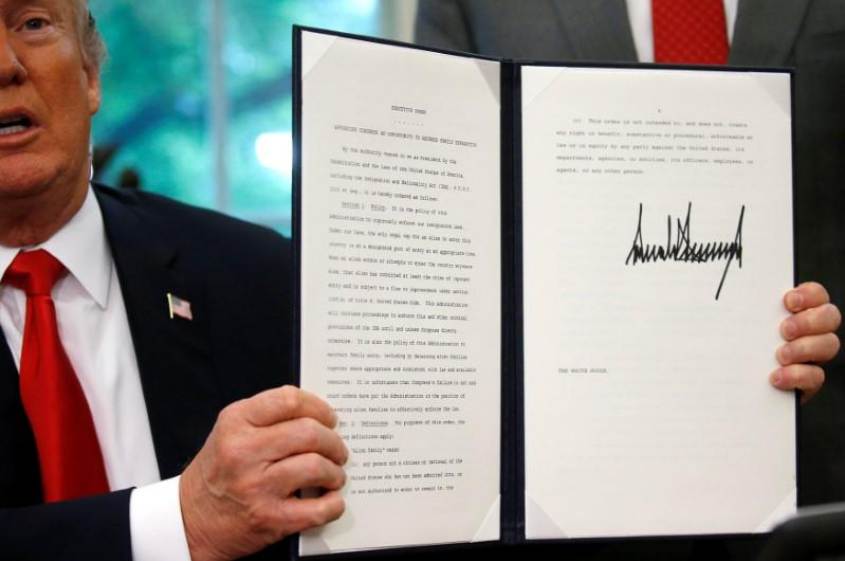
US President Donald Trump displays an executive order on immigration policy after signing it in the Owal Office at the White House, in Washington, US, June 20, 2018. /Reuters Photo
US President Donald Trump displays an executive order on immigration policy after signing it in the Owal Office at the White House, in Washington, US, June 20, 2018. /Reuters Photo
It says it will stick to a "zero tolerance" policy that means anyone crossing illegally is prosecuted.
Some legal experts said the wording of the executive order was ambiguous and that family separations could continue.
Source(s): Reuters

 ["north america"]