
Domestic
17:36, 14-May-2019
Top students paid thousands for eggs as reporters uncover illegal donation ring
 ["china"]
Share







Copied
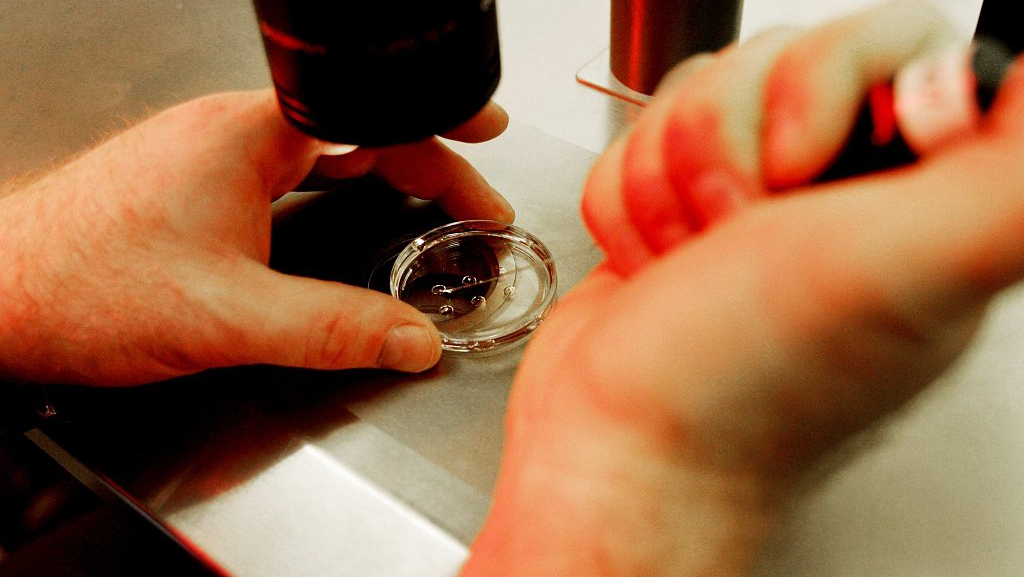
Chinese students from top-tier universities have been selling their eggs on the black market for as much as 100,000 yuan (14,600 U.S. dollars), according to an investigative report by Beijing Youth Daily.
The report uncovered an operation that saw adverts posted online looking for women who matched criteria like being highly educated, height and appearance.
According to China Central Television (CCTV), middlemen would arrange for sellers and buyers of eggs to meet and hold “interviews” in cafes. Once a successful match was made and both parties agreed terms, the intermediaries would handle the money, taking a small fee.
Prices paid ranged on average from 20,000 to 80,000 yuan per egg, but could reach as high as 100,000 yuan for graduates from top universities. Women without any qualifications would see their eggs fetch prices of around 10,000 yuan, enough to buy a smartphone.
The Beijing Youth Daily reporters posed undercover, and met up with the middlemen contacts who had posted the adverts online. The contacts explained in detail how they helped the young female students convince buyers that they were a good match, but refused to name the hospitals that took part in the egg collection and ovulation induction process.
The hospitals were located in Beijing and Wuhan, in central China's Hubei Province, according to the report.
Egg donation in return for money is illegal in China, but according to CCTV, demand for IVF treatment and egg donation is high and increasing.
With more women prolonging their careers or looking to have a second child, many are freezing their eggs or going overseas for IVF treatment. CGTN reported last year that China now has the world's highest population of IVF babies, while sperm donor numbers are falling despite soaring demand, amid rising male infertility levels.
According to CCTV, the undercover reporters found that the hospitals working with the middlemen would inject the young women with hormones to induce ovulation, before conducting ultrasounds and blood tests prior to extracting the eggs.
The report found that the process, which would often see the donors injected with excessive amounts of hormones, involved several health risks such as breathing difficulties and blood clotting.
Beijing Youth Daily contacted one of the hospitals connected to the case, with a representative denying that it cooperated with intermediaries that sold eggs. The hospital said that any donor eggs involved in IVF treatment were donated according to the law.