
Eco
00:03, 24-Jul-2018
Reporter's diary: Geek vs. desert
Updated
23:47, 26-Jul-2018
 ["china"]
Share







Copied
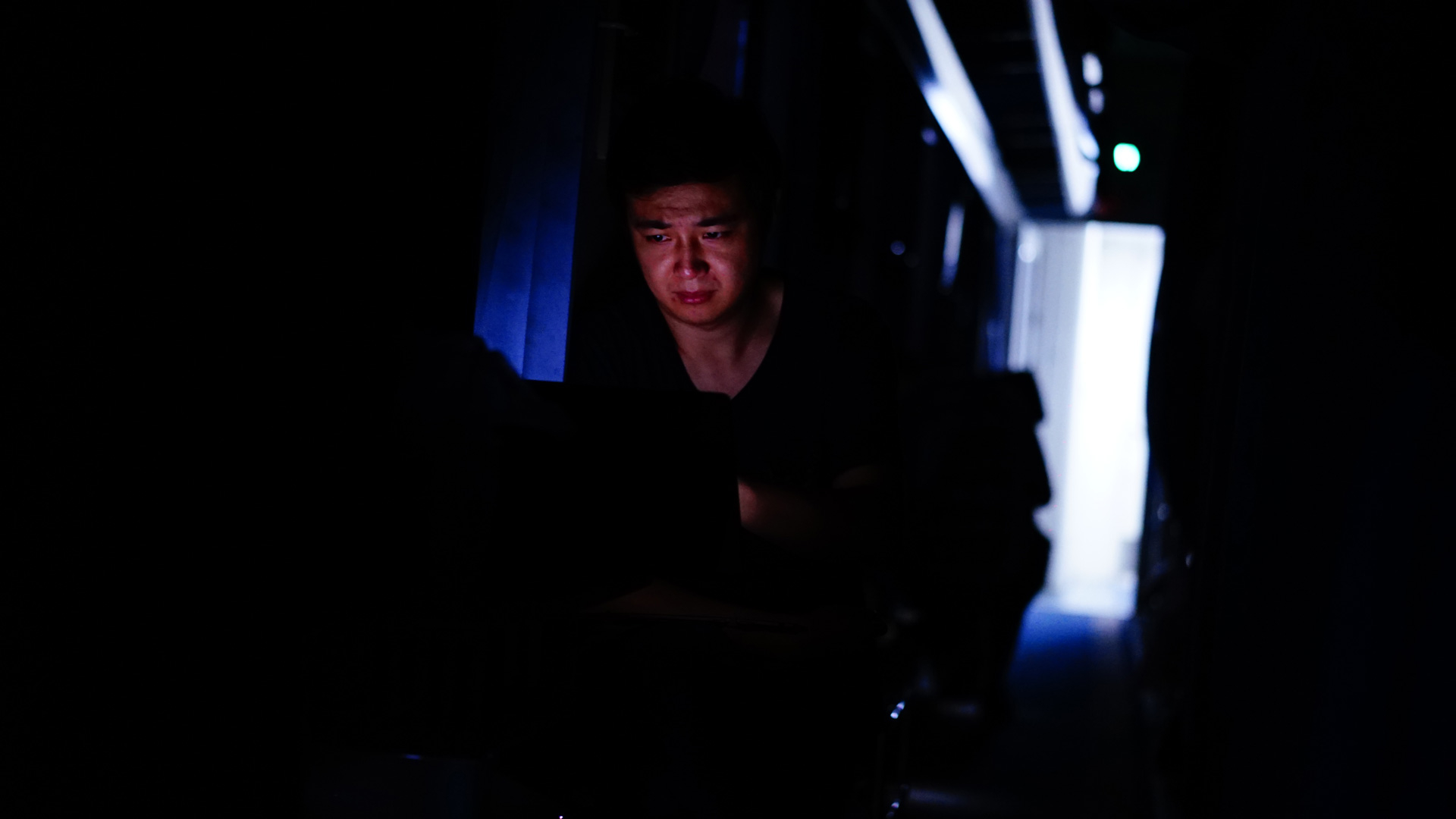
Since July 19, I’ve been to northern China’s Kubuqi desert to investigate a local business model that utilizes sand dunes to make money. While the report is still being written, here are some interesting details I want to share with our viewers.
The trip to Kubuqi is nothing normal. My cameraman and I prepared for a lot of consequences but still got slapped on our faces.
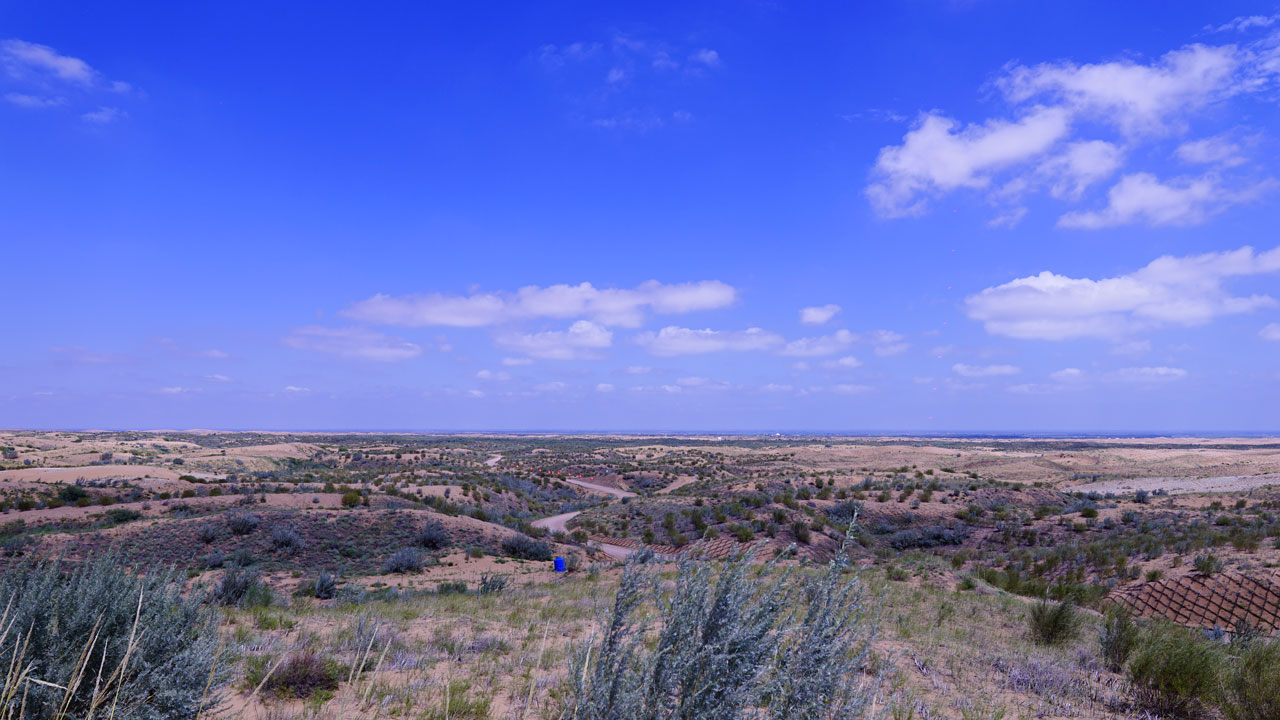
A corner of the Kubuqi desert with plants raised by local people. /Photo by CGTN's Geng Zhibin
A corner of the Kubuqi desert with plants raised by local people. /Photo by CGTN's Geng Zhibin
The first surprise is the weather. Our flight from Beijing to Ordos, the closest city to Kubuqi, was canceled due to heavy rainfall. That's how I learned there are only regular trains between the two cities, instead of the high-speed rails, which I thought ran everywhere in China.
It took the train a total of 15 hours to finish the journey. So, this part of the diary was written in a train car.
The weather surprise was not over after arrival. Our bus ride from the urban Ordos to the desert was also accompanied by pouring rain.
You heard me right. It was still raining hard just before we stopped by the dunes.

Raindrops on the window of the bus running between Ordos and the Kubuqi desert. /Photo by CGTN's Geng Zhibin
Raindrops on the window of the bus running between Ordos and the Kubuqi desert. /Photo by CGTN's Geng Zhibin
Raindrops fell down on the bus window so hard that I almost felt the pain.
"This is not normal at all," said our Mongolian guide. "July is not rainy here."
But after a humid night, everything returned to normal. I got slapped by scattered sand driven by the wind.
I was in Beijing during the famous sandstorms in 2007, and I had thought that was the feeling of hurting sand. I was wrong.
In Kubuqi desert, the sandstorm created a dressing dilemma. It was too strong for me to wear shorts, while the temperature was too hot for jeans.
Hot or hurt. That's a question.
Drop the phone
It’s dying hard to survive the desert as a tech nerd.
The mobile signal was terrible. I thought China Telecom has the widest coverage in suburban areas, but for most of the time, my phone took me back to the 3G era - which was pretty like stone age.
That's a critical condition for me who loves to search for every unknown thing.

The mobile signal is so bad that sometimes CGTN's website would not open. /Screenshot by Gong Zhe
The mobile signal is so bad that sometimes CGTN's website would not open. /Screenshot by Gong Zhe
Another pain was the hotel PC. It's good that they provided desktop PC in the room, but the machine belongs to the past. The outdated software was still bearable, but the years-old hardware rendered the computer almost unusable.
The most severe condition must be sand. The wind carried the sand to everywhere including the inside of the electronic devices. And it was extremely hard to get those naughty grains out.
One grain of sand in the camera can stop us from working for half an hour.
What impressed me more is that despite the terrible conditions, the local people still fight with the sand dunes for three decades. And they are winning. The human-swallowing natural monster is now being under control and even backing off.
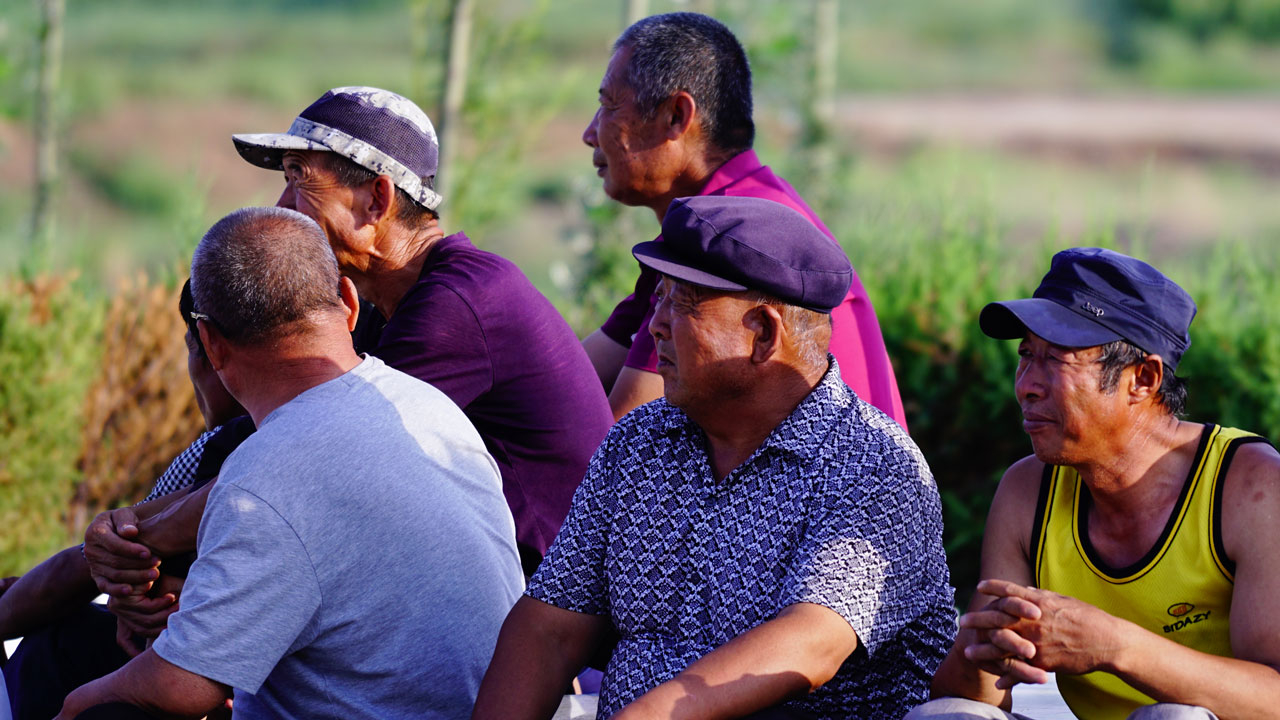
Local people who turned part of the desert back green. /Photo by CGTN's Geng Zhibin
Local people who turned part of the desert back green. /Photo by CGTN's Geng Zhibin
So how exactly did they make it?
Tomorrow, I will go live on CGTN to tell you the innovative ways they plant trees around the Kubuqi desert.
(Cover photo by CGTN's Geng Zhibin)