
World
20:42, 05-Jul-2018
Exhumed remains of 13 Chinese immigrants reburied in Nevada
Updated
20:17, 08-Jul-2018
 ["north america"]
Share







Copied
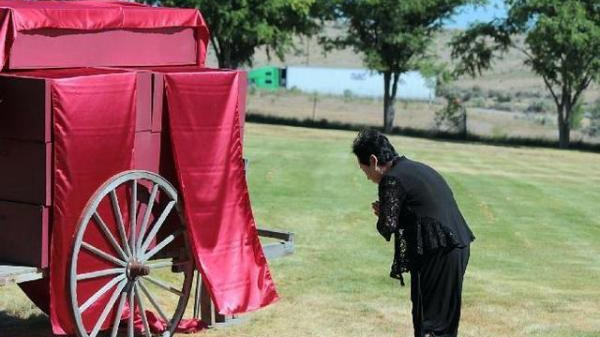
The remains of 13 Chinese men discovered in northeast Nevada in 1996 during an archaeological study were finally reburied on Tuesday in a traditional Chinese ceremony in the American state's Carlin City Cemetery.
The men went to Nevada in the 1800s when thousands of Chinese migrated to the western United States to work in mines to follow the California Gold Rush in 1848. Many of them were hired to construct the Transcontinental Railroad and most settled down in Carlin City later.
Lee Chin, an Asian restaurant owner who has been involved in the case since a property owner found the remains in his backyard in November 1996, recalled that when her customers told her to find out what was happening after the remains were discovered, the archaeologists had already investigated.
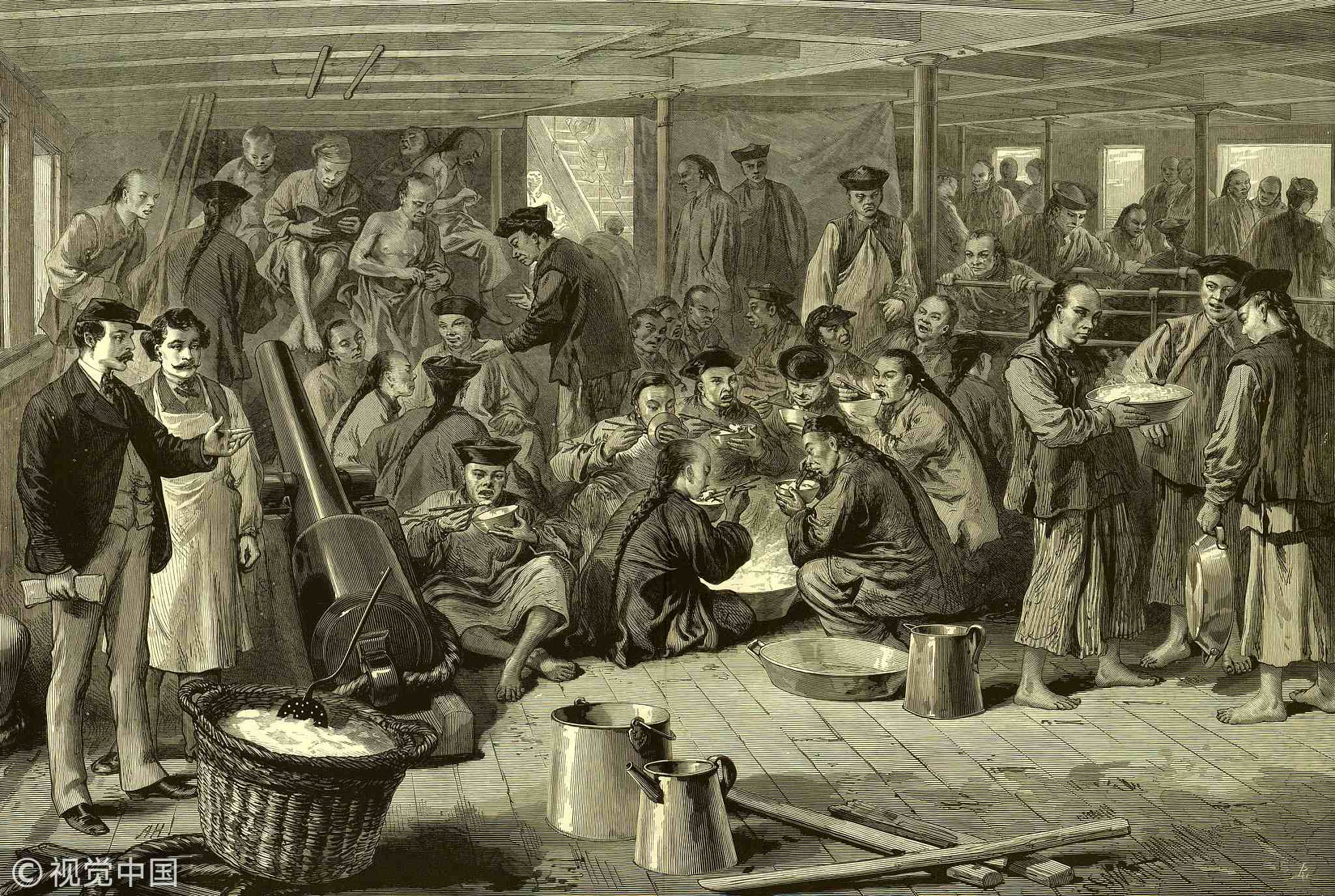
Thousands of Chinese migrated to the western United States to work in mines in the 1800s. /VCG Photo
Thousands of Chinese migrated to the western United States to work in mines in the 1800s. /VCG Photo
The remains were exhumed from the forgotten Chinese cemetery and then sent to the Nevada State Museum, the US Forest Service and the Elko County Chapter of the Nevada Archaeological Association, according to The Associated Press and Elko Daily Free Press.
The archaeologists were very excited at the discovery since it was a precise chance to research Chinese cemeteries in the country, said Tim Murphy, a retired archaeologist living in Elko. Most of the early Chinese immigrants had requested the repatriation of their remains after their deaths.
During the research, the archaeologist found details of Chinese burial rituals: the caskets contained personal artifacts like opium pipes, coins, eyeglasses and dishes to be used in the afterlife.
The remains and artifacts were sent to the state museum for examination by scientists from the Smithsonian Institution and eventually sent to the anthropology department at the University of Nevada, Las Vegas (UNLA).
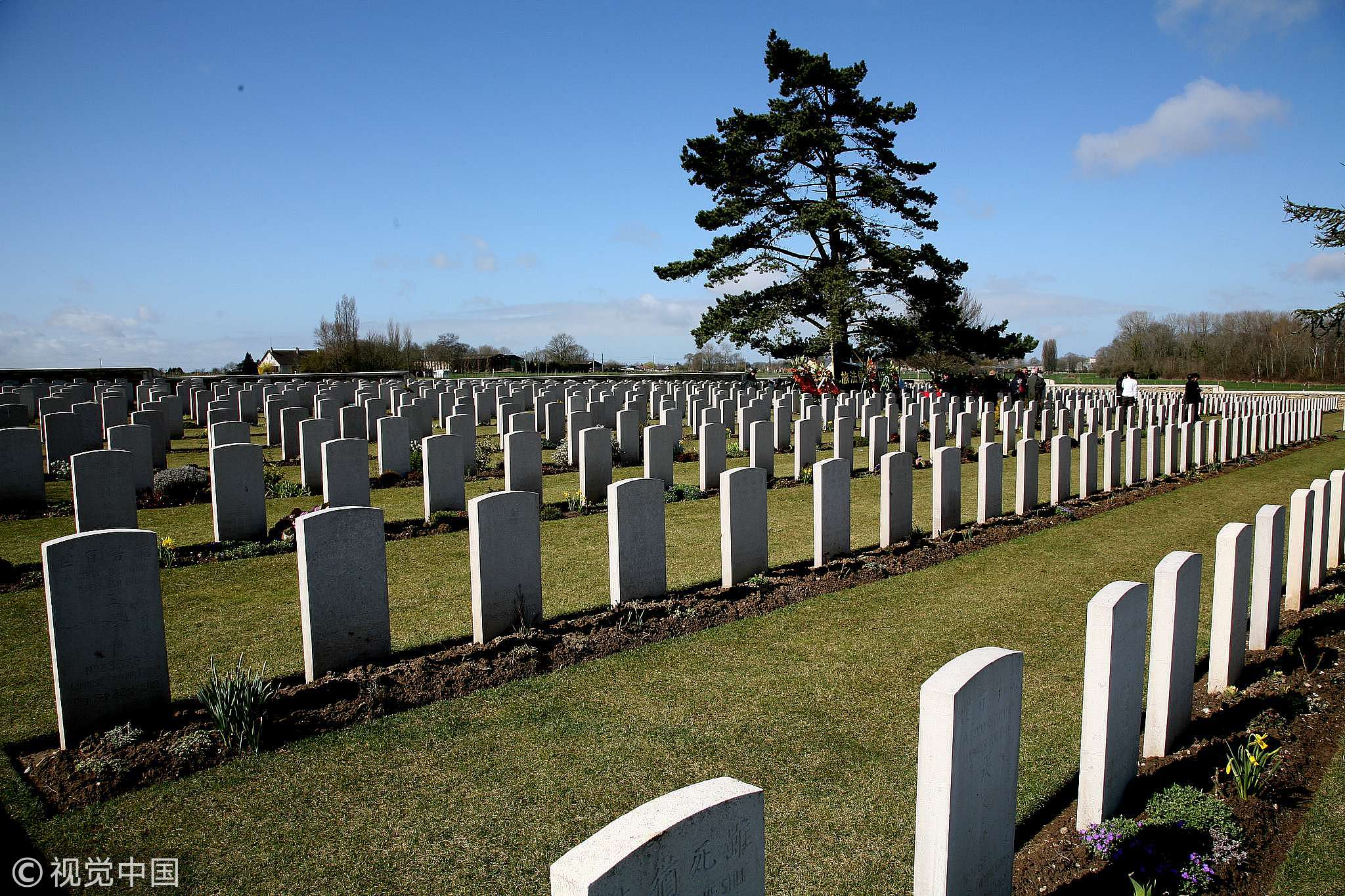
A Chinese cemetery in the US /VCG Photo
A Chinese cemetery in the US /VCG Photo
Chin and other Carlin officials urged the university to return the remains and she even wrote a letter to send to the institution earlier this year.
“It has taken far too long getting them home,” Chin wrote, according to the Daily Mail. “Once again our Chinese ancestors are being dishonored by being treated like objects instead of being treated like human beings.”
The UNLA said it would not do any more research on the remains and finally, Murphy successfully sought permission to collect the remains and drove them back to Carlin. Chin and her husband arranged the Chinese reburial ceremony, including the burning incense and paper cash to show their respect for the remains.
Local residents also helped to prepare 13 painting caskets and the local Home Depot donated more than 600 dollars worth of materials for the reburial.
“I’ve waited for this day for too long. I can’t believe it. I am so happy that they can finally come home. This is their home. They constructed the railroads across the US. They should get the treatment and respect,” Chin said.
(Top caption: Lee Chin, the Asian restaurant owner who lives in Carlin, bows to the remains of 13 Chinese men to show her respect during the ceremony.)